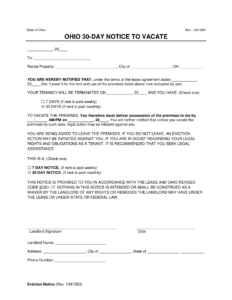
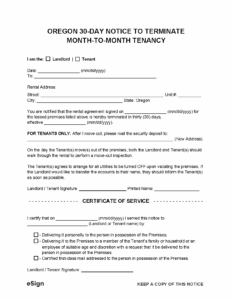
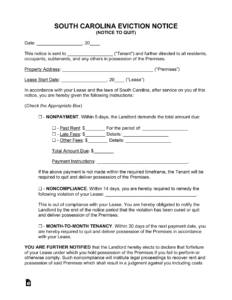
Navigating the complexities of property management can be challenging, and sometimes, the difficult decision to end a tenancy becomes necessary. Whether due to lease violations, non-renewal of a month-to-month agreement, or other reasons, clear and legally sound communication is paramount. This is where understanding and utilizing a proper 30 day tenant eviction notice template becomes incredibly helpful for landlords.
It’s understandable to feel overwhelmed when faced with the prospect of eviction, especially if you’re unsure about the correct legal procedures. Sending the right notice, with all the necessary details, is not just a formality; it’s a critical legal step that protects both you and your tenant. A well-prepared notice can save you a lot of headaches, time, and potential legal battles down the road.
This article aims to simplify the process, guiding you through the ins and outs of a 30-day notice. We’ll explore when to use it, what essential information it must contain, and how it fits into the broader legal framework of landlord-tenant relationships. Our goal is to equip you with the knowledge to handle this sensitive situation professionally and effectively.
Understanding the 30 Day Eviction Notice and When to Use It
A 30-day eviction notice, often referred to as a “Notice to Vacate” or “Notice of Termination of Tenancy,” is a formal written document informing a tenant that they must vacate the rental property within 30 days. It’s crucial to understand that this notice is not an immediate eviction order from a court. Instead, it’s the first step in a legal process, formally requesting the tenant to leave by a specific date. If the tenant does not comply, the landlord would then need to pursue an eviction lawsuit in court.
This type of notice is typically used in specific circumstances where an immediate “for cause” eviction (like severe lease violations or non-payment of rent) requiring a shorter notice period isn’t applicable. For example, if you have a month-to-month lease agreement with a tenant, most states require a 30-day notice to terminate the tenancy without cause. This means you don’t necessarily need a specific reason beyond simply choosing not to renew the agreement.
However, even in “no-fault” scenarios, local laws and ordinances can vary significantly. Some jurisdictions might extend the notice period to 60 or even 90 days, especially for long-term tenants. It’s always advisable to consult your state and local landlord-tenant laws to ensure you are compliant with the specific requirements in your area. Failing to provide adequate notice or including incorrect information can invalidate the notice and delay the entire process.
It’s also important to remember that this notice should be served in accordance with local regulations, which often specify methods like certified mail, personal service, or posting on the property. Proper service ensures the tenant officially receives the notice and eliminates potential claims that they were unaware of the termination. Always keep detailed records of how and when the notice was delivered.
Key Situations Requiring a 30-Day Notice
- Termination of a month-to-month tenancy by either landlord or tenant.
- Certain minor lease violations that are non-curable or where the lease specifies a 30-day notice for breach.
- When a landlord intends to sell the property or move into it themselves, provided the tenancy is not a fixed-term lease that has yet to expire.
- In some instances, after a lease term has expired, and the tenant is continuing on a month-to-month basis.
This notice provides the tenant with a reasonable amount of time to find new housing and make arrangements for moving, upholding a level of fairness in the landlord-tenant relationship while allowing the landlord to regain control of their property.
Crafting Your 30 Day Eviction Notice Template: Essential Elements
When preparing a 30 day tenant eviction notice template, precision and completeness are paramount. Every detail you include (or omit) can have significant legal implications. The goal is to create a document that leaves no room for ambiguity, clearly stating the landlord’s intent and the tenant’s obligations. This isn’t just a courtesy; it’s a foundational piece of evidence should the situation escalate to court.
A strong template will ensure you consistently include all the necessary information, reducing the risk of technical errors that could invalidate your notice. It should be drafted in a clear, professional tone, avoiding emotional language, and focusing strictly on the facts and legal requirements. Remember, this document is a formal communication, not a personal message.
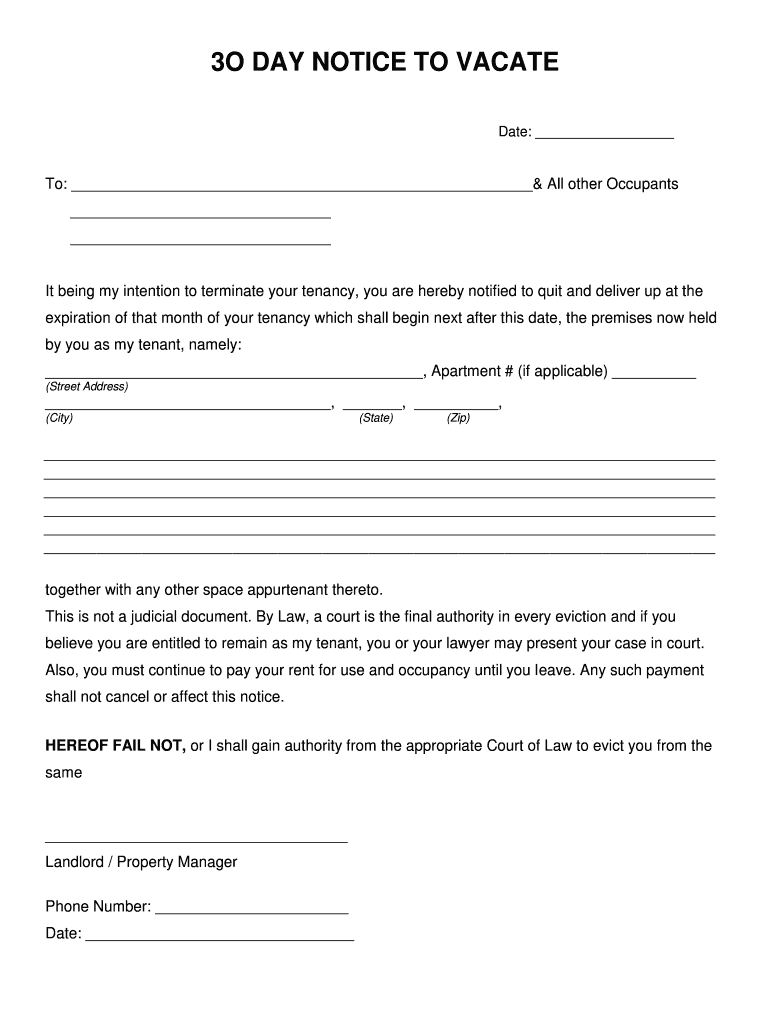
Here are the critical components that every effective 30-day notice should contain:
- The full legal name of the tenant(s) as it appears on the lease agreement.
- The complete address of the rental property, including unit number if applicable.
- The current date when the notice is being issued.
- A clear statement of the notice’s purpose, such as “Notice of Termination of Tenancy” or “Notice to Vacate.”
- The specific date by which the tenant must vacate the premises. This date should be exactly 30 days from the effective date of service, or more if required by local law.
- The reason for the termination of tenancy, if applicable (e.g., “Termination of month-to-month tenancy,” or a specific lease violation).
- Information about the return of the security deposit, referencing state laws regarding deductions and timelines.
- A clear statement advising the tenant to remove all personal belongings by the vacate date.
- The landlord’s full legal name and signature.
- A “Certificate of Service” section, documenting how and when the notice was delivered to the tenant.
Always keep at least one copy of the signed and dated notice for your records. This documentation is invaluable. While a template provides a great starting point, always customize it to the specific circumstances of your tenancy and verify it aligns with your local and state landlord-tenant laws to ensure full compliance.
Effectively managing a rental property sometimes involves making tough decisions, and the process of ending a tenancy requires careful and legal execution. By utilizing a properly structured 30 day tenant eviction notice template, landlords can ensure they are following the correct legal steps, protecting their interests, and providing clear communication to their tenants. This formal approach minimizes misunderstandings and establishes a clear timeline for all parties involved.
Understanding the legal landscape and using accurate documentation is key to a smooth transition, even in challenging situations. Taking the time to prepare and serve a notice correctly can prevent costly delays and legal disputes, allowing you to regain control of your property and prepare it for future tenants in a timely and professional manner.