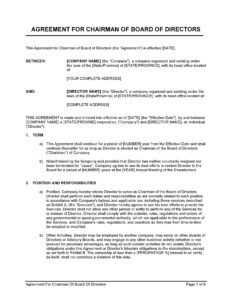
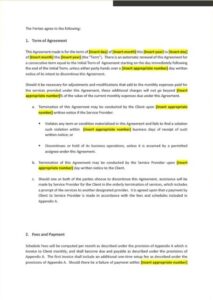
In the bustling world of corporate governance, effective communication is the bedrock of smooth operations. Board meetings are pivotal events, shaping the strategic direction and oversight of any organization. However, simply scheduling a meeting isn’t enough; ensuring all board members are properly informed, equipped, and reminded is a critical step that often determines the meeting’s success.
This is precisely where a well-crafted board of directors meeting notice template becomes an invaluable asset. It’s more than just a formality; it’s a professional standard that guarantees consistency, clarifies expectations, and adheres to legal and corporate bylaws. By utilizing a standardized approach, you can eliminate guesswork and ensure every board member receives the vital information they need, every single time.
Imagine the time saved and the potential for miscommunication avoided when you have a reliable framework in place for every announcement. This article will delve into the essential components of such a template, explore why it’s so important for good governance, and guide you through creating and using one that perfectly fits your organization’s needs.
Crafting the Perfect Board Meeting Notice: Key Elements to Include
Sending out a notice for a board meeting might seem like a straightforward task, but there’s a surprising depth to what makes an announcement truly effective and legally compliant. The primary goal is to provide all necessary details in a clear, concise, and timely manner, ensuring that every board member understands what, when, where, and why the meeting is happening. This proactive communication sets a professional tone and minimizes last-minute queries or confusion, allowing members to prepare adequately.
Every effective notice begins with the fundamentals: the exact date, time, and location of the meeting. This information should be front and center, leaving no room for ambiguity. For virtual or hybrid meetings, specific instructions for joining, including links and any necessary access codes, are just as crucial as a physical address. Clearly indicating the time zone is also a small but important detail that prevents misunderstandings, especially for boards with geographically dispersed members.
Beyond the logistical details, the notice should clearly state the purpose of the meeting. Is it a regular quarterly review, an annual general meeting, or a special session called to address an urgent matter? Specifying the type of meeting helps members gauge the scope and urgency. Alongside this, providing a detailed agenda is paramount. The agenda outlines the topics to be discussed, the order of business, and often includes the estimated time allocated for each item, giving board members a roadmap for the discussions to come.
Crucially, supporting materials should always accompany the notice or at least be clearly referenced with instructions on how to access them. These might include financial reports, proposed resolutions, previous meeting minutes, policy documents, or any other relevant background information that board members need to review prior to the meeting. Distributing these materials in advance allows members to arrive informed and ready to engage in productive discussions, rather than spending meeting time catching up.
Finally, the notice should include an R.S.V.P. request with a specified deadline and the contact information for the person to whom responses should be sent. This allows the corporate secretary or administrator to track attendance, confirm quorum, and make any necessary logistical adjustments, such as catering or room setup. A polite reminder of expectations for attendance and preparation can also be a subtle yet effective touch.
Key Elements of an Effective Notice
- Full company name and official address.
- Clear designation of the meeting as a “Board of Directors Meeting.”
- Specific date, start time, and end time (if applicable) of the meeting.
- Precise location (physical address, virtual meeting link, or hybrid instructions).
- Detailed agenda outlining all discussion points and decision items.
- Instructions for accessing pre-meeting materials (e.g., reports, minutes).
- R.S.V.P. contact person and deadline.
- Signature of the corporate secretary or other authorized individual.
- Reference to the specific article or section of the bylaws requiring the notice (if applicable).
Maximizing Efficiency with a Standardized Template
The beauty of a board of directors meeting notice template lies in its ability to standardize a critical administrative function. Think about the countless hours saved when you don’t have to draft a new notice from scratch for every meeting. A template provides a ready-made structure, ensuring that no essential information is ever overlooked and that all notices maintain a consistent, professional appearance. This consistency is not just about aesthetics; it builds confidence and trust among board members, signaling that the organization values clear and organized communication.
Beyond saving time, a standardized template significantly reduces the risk of errors or omissions. When you’re dealing with legal and governance requirements, missing a crucial piece of information – like proper notice period or a specific disclosure – can have serious implications. A template acts as a checklist, guiding you through all the necessary fields and prompts, ensuring compliance with both internal bylaws and external regulations. This systematic approach contributes directly to stronger corporate governance and reduces potential liabilities.
Furthermore, a well-designed template is easily adaptable. While the core structure remains constant, you can quickly customize specific details for each individual meeting. This might involve updating the agenda, attaching new supporting documents, or adjusting the R.S.V.P. deadline. By having a flexible yet firm foundation, your administrative team can efficiently manage multiple meetings throughout the year, focusing their energy on content rather than format. Integrating your board of directors meeting notice template with a board management software can elevate this efficiency even further, automating distribution and tracking.
Adopting a consistent approach to board meeting notices is a proactive step towards fostering an environment of professionalism and clarity. It underscores the importance of the board’s work and respects the valuable time of its members, allowing them to focus on strategic discussions rather than administrative ambiguities.
Ultimately, a well-implemented notice system, anchored by a robust template, empowers the board to operate more effectively, make informed decisions, and steer the organization towards its strategic objectives with greater confidence and cohesion.