Deciding to move on from a retail position, whether it is for a new opportunity or a change in career path, is a significant step. It is a moment filled with mixed emotions, from excitement for the future to a touch of nostalgia for the experiences you have gained. Ensuring a smooth and professional departure is just as important as how you started the job, as it helps maintain good relationships and keeps your professional reputation intact.
When the time comes to formally announce your departure, a well-crafted letter is essential. This is where a clear and concise retail two weeks notice template can become your best friend. It provides a structured way to communicate your intentions, ensuring all necessary information is conveyed professionally and politely. Using a template helps you avoid common pitfalls and ensures you leave a lasting positive impression.
This article will guide you through the process of writing your notice, highlighting why it is crucial to do so correctly, and providing you with the framework to confidently craft your own resignation letter. We will walk you through the key elements that should be included, so you can transition gracefully to your next adventure.
Why Giving Proper Notice in Retail Matters
Giving adequate notice when leaving any job, especially in retail, is more than just a formality; it is a professional courtesy that carries significant weight. Your employer has invested time and resources into your training and development, and providing them with advance warning allows them to prepare for your departure without causing undue disruption to their operations. This is particularly important in retail, where staffing levels directly impact customer service and daily productivity.
Leaving on good terms can open doors to future opportunities. Many employers conduct reference checks, and a positive recommendation from a former manager can be invaluable. By giving proper notice, you demonstrate respect for your colleagues and your commitment to your responsibilities right up until your last day. This professionalism is a testament to your character and work ethic, qualities that future employers will undoubtedly appreciate.
Ignoring company policy regarding notice periods, or leaving abruptly, can have negative repercussions. It might lead to a poor reference, or in some cases, even impact your eligibility for certain benefits or re-employment with the company in the future. Understanding and adhering to your employment agreement or company handbook regarding resignation procedures is always a wise move to protect your professional standing.
Moreover, providing notice allows you the opportunity to assist in the transition process. This might involve training a new team member, completing pending tasks, or organizing your workspace. Such actions are highly valued by management and contribute to a positive overall experience for everyone involved, leaving you feeling good about your departure.
A well-composed notice letter, even if brief, shows you are serious about your professional responsibilities. It formalizes your intent and serves as a record for both you and your employer. This simple act can solidify your reputation as a considerate and reliable employee, even as you move on to new endeavors.
Key Components of Your Retail Two Weeks Notice Letter
When you are preparing to write your resignation letter, make sure to include these essential pieces of information:
- Your Name and Contact Information
- Date
- Employer’s Name and Company Address
- Formal Salutation
- Clear Statement of Resignation and Your Last Day
- Offer to Assist with Transition
- Expression of Gratitude (Optional but Recommended)
- Professional Closing
- Your Signature
Crafting Your Perfect Notice: A Retail Two Weeks Notice Template Example
Creating your resignation letter does not have to be a daunting task. While a formal tone is important, the language can still be clear and concise. Think of your letter as a polite and official way to communicate your intentions, ensuring all key information is present without unnecessary details or emotional language. The goal is to make your transition as smooth as possible for both yourself and your employer, leaving a positive lasting impression.
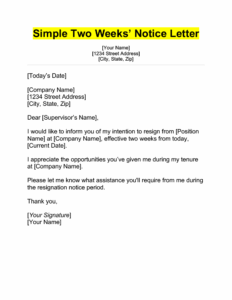
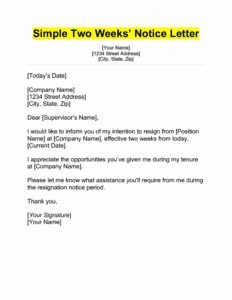
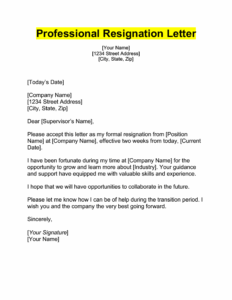
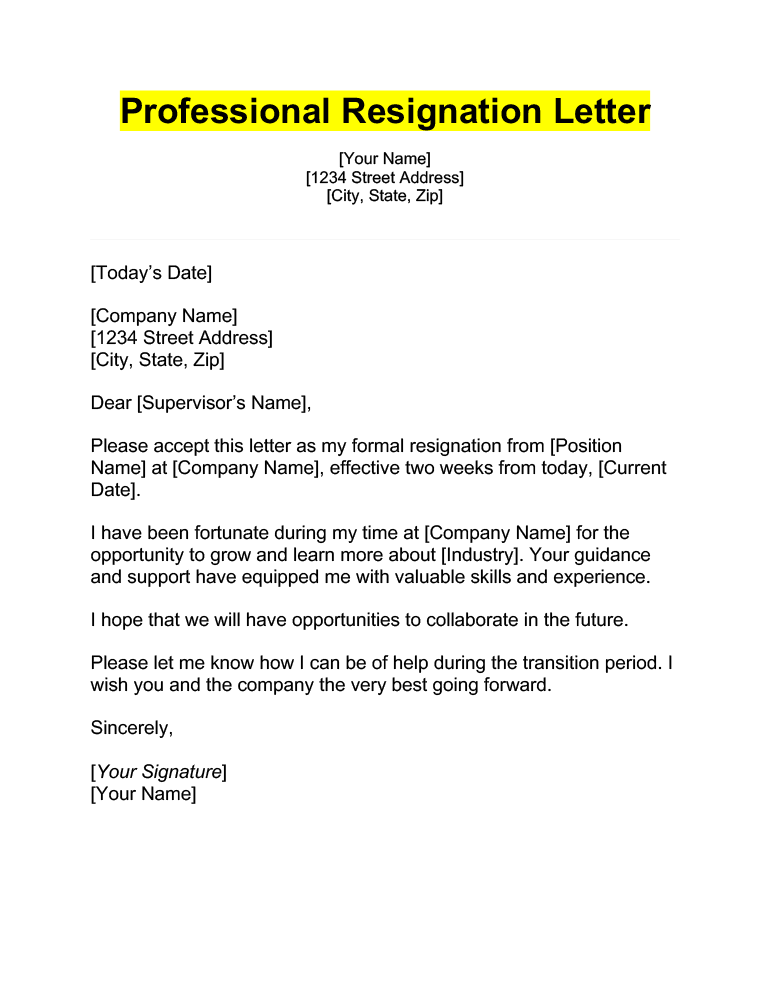
Here is a conversational walk-through of what a solid retail two weeks notice template might look like, helping you structure your own letter effectively. You would start with your own contact information at the top, followed by the current date. Then, list your manager’s name and the company’s address. Begin the letter with a formal but friendly salutation, such as “Dear [Manager’s Name]”. The first paragraph should clearly state your intention to resign from your position as [Your Job Title] and specify your last day of employment, usually two weeks from the date of the letter. For instance, “Please accept this letter as formal notification that I am resigning from my position as [Your Job Title] at [Company Name], with my last day of employment being [Your Last Day Date].” In the next paragraph, you can briefly express gratitude for the opportunities you have had, perhaps mentioning a skill you have learned or an experience you value. It is also good practice to offer your assistance in training your replacement or helping with any tasks to ensure a smooth handover during your final two weeks. Conclude with a professional closing, such as “Sincerely” or “Respectfully,” followed by your typed name and your signature.
Remember, the content should be direct and to the point. Avoid explanations about why you are leaving, negative comments, or requests that are outside the scope of your notice. The objective is simply to inform and facilitate your departure gracefully. Keep a copy of the signed letter for your own records, and be prepared to discuss your departure with your manager after they receive your formal notice.
Quick Tips for Submitting Your Notice
When it comes to delivering your resignation letter, a few best practices can make the process even smoother:
- Deliver it in person to your manager first, if possible.
- Follow up with an email if required by company policy.
- Keep a copy for your records.
- Be prepared for a conversation with your manager.
- Maintain a positive attitude throughout your remaining time.
Leaving a job professionally ensures you maintain a good reputation and positive relationships, which can be incredibly valuable for your future career path. By using a clear and structured approach to your resignation, you can transition confidently into your next chapter, knowing you have handled your departure with grace and respect.
As you embark on new endeavors, the professionalism you demonstrated in your departure will serve as a strong foundation for future success. Embrace the excitement of new beginnings and carry forward the lessons and experiences gained from your time in retail.