Navigating the landlord-tenant relationship can sometimes lead to situations where a lease needs to be terminated. Whether you’re a landlord needing to regain possession of your property or a tenant looking to understand your rights, understanding the proper legal procedures is crucial in Texas. One of the most common tools in this process is the notice to vacate, and specifically, for many situations, a Texas 30 day eviction notice template can be invaluable. This document serves as the formal communication that an occupancy agreement is coming to an end.
It’s important to remember that an “eviction notice” itself isn’t the same as an “eviction.” The notice is merely the first step, informing the tenant that they need to move out by a certain date. An actual eviction is a legal process initiated in court if the tenant does not comply with the notice. Missteps in issuing this initial notice can significantly complicate or even halt the entire eviction process, costing landlords valuable time and money.
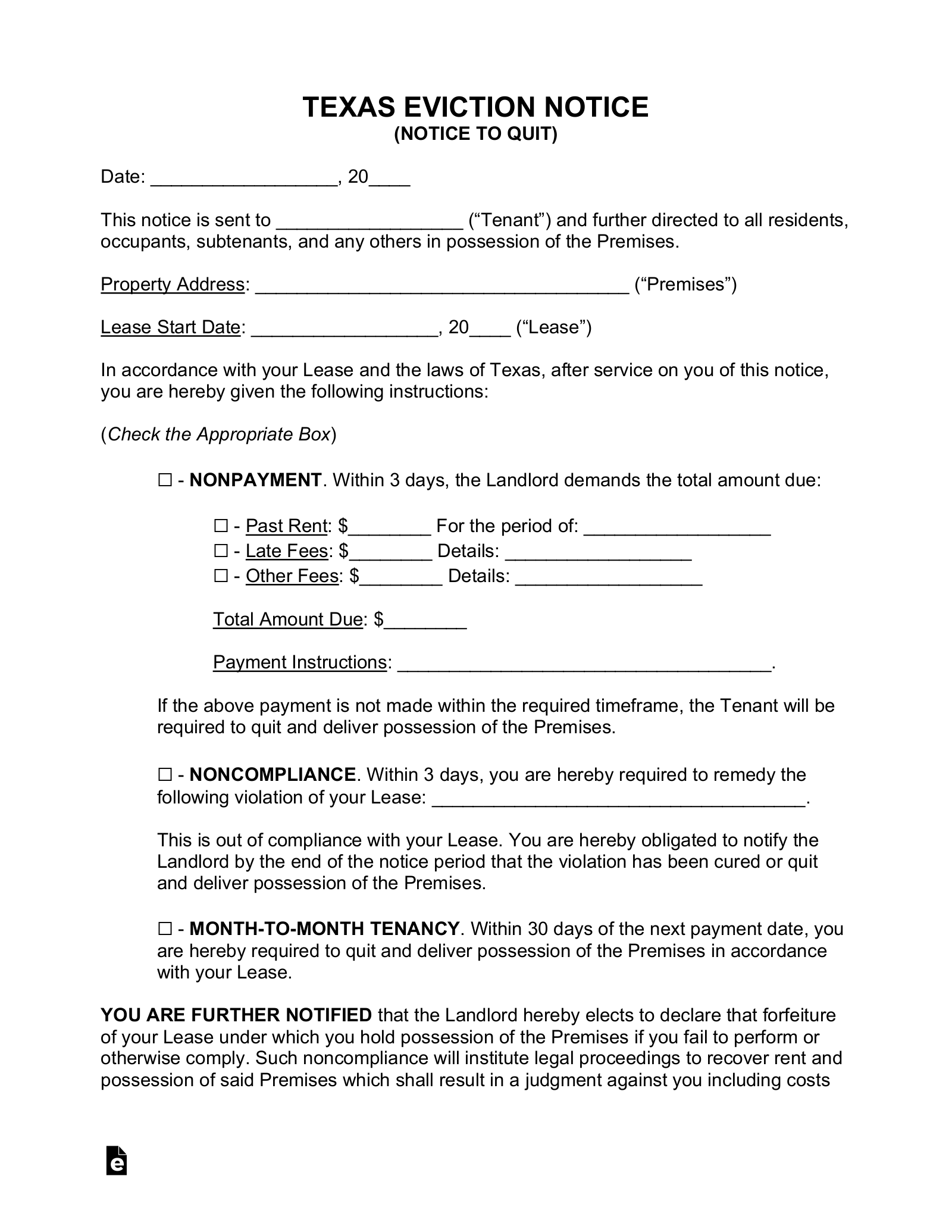
Therefore, having a clear understanding of when and how to properly issue a 30-day notice is essential for all parties involved. This guide will walk you through the specifics of what a Texas 30-day notice entails, when it is appropriate to use, and what crucial information must be included to ensure its validity and effectiveness.
Understanding the Texas Eviction Process and Your 30 Day Notice
In Texas, the eviction process is governed by specific laws designed to protect both landlords and tenants. A 30-day notice is primarily used in situations where there isn’t a specific lease violation that allows for a shorter notice period, such as non-payment of rent. Instead, it’s typically applied for month-to-month leases, or when a fixed-term lease is ending and the landlord simply does not wish to renew it. It’s also often used when a tenant has violated a term in their lease, but the lease agreement itself stipulates a 30-day notice period for such breaches, or when the violation is curable.
Unlike a 3-day notice, which is usually reserved for severe violations like non-payment of rent or significant lease breaches that aren’t curable, the 30-day notice provides a longer window. This extended period allows tenants ample time to find new housing and vacate the property, making it a less immediate and often less contentious transition than a 3-day notice. It signals a landlord’s intent to terminate the tenancy without necessarily implying immediate legal action, assuming the tenant complies.
The legality and enforceability of any eviction notice hinge entirely on its accuracy and adherence to Texas Property Code. Failing to include required information or improperly serving the notice can render it invalid, forcing the landlord to restart the entire process. This is why a well-prepared template is so important, as it helps ensure all necessary elements are covered.
Key Elements to Include in Your Notice
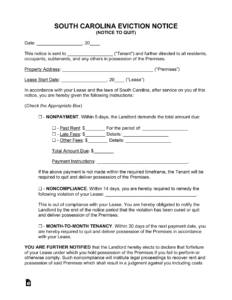
To be considered legally valid in Texas, a 30-day eviction notice must contain several specific pieces of information. Omitting any of these can lead to complications if the case proceeds to court.
* Landlord and Tenant Names and Addresses: Clearly state who the notice is from and to whom it is directed, including full legal names and current addresses.
* Property Address: The complete address of the rental unit from which the tenant is being asked to vacate.
* Date of Notice: The exact date the notice is written and, ideally, delivered. This is crucial for calculating the 30-day period.
* Reason for Termination: Clearly state why the tenancy is being terminated. This could be “termination of month-to-month tenancy,” “non-renewal of lease,” or “lease violation” with a specific description of the violation and an opportunity to cure if applicable.
* Specific Date of Termination: The date by which the tenant must vacate the premises. This date must be at least 30 full days after the notice is delivered, plus any additional days if mail service is used.
* Statement about Tenant’s Right to Vacate: A clear directive for the tenant to move out by the specified date.
* Landlord’s Signature: The landlord or their authorized agent must sign the notice.
Once prepared, the notice must be properly delivered to the tenant. Texas law dictates specific methods for serving eviction notices, typically through personal delivery to the tenant or a responsible person at the property, or by certified mail with a return receipt requested. Posting it on the inside of the main entry door is also an option if other methods fail, with specific additional steps required. Ensuring proper delivery protects the landlord in court by proving the tenant received adequate notice.
Common Mistakes to Avoid When Issuing a Texas Eviction Notice
Issuing an eviction notice, even one as straightforward as a 30-day notice, requires precision. Errors in this initial step can derail the entire process and lead to significant delays and frustrations for landlords. Understanding common pitfalls can help ensure your notice is legally sound and effective, avoiding the need for a costly restart. One of the most frequent mistakes is simply not giving enough time, which invalidates the notice from the outset.
Another common error is failing to accurately identify the reason for termination. While a 30-day notice is often used for non-renewal of a month-to-month lease where no specific reason is legally required, if it’s based on a lease violation, that violation must be clearly articulated. Vague or incorrect reasons can be challenged in court, weakening the landlord’s position. Furthermore, some landlords fail to keep proper records of notice delivery, which can become a critical issue if the tenant claims they never received the notice.
The Texas legal system is particular about landlord-tenant law, and any deviation from the established procedures can be exploited by a tenant in an eviction lawsuit. Landlords must also be mindful of avoiding “retaliatory evictions,” which are illegal in Texas. This means you cannot evict a tenant in response to them exercising a legal right, such as complaining about property repairs.
* Incorrect Notice Period: Always double-check the lease agreement and Texas Property Code to ensure the correct number of days is given. For a 30-day notice, the tenant must have at least 30 full days from the date of delivery.
* Improper Delivery: Not following the strict guidelines for serving the notice can render it invalid. Certified mail with return receipt or personal service are generally the safest options.
* Vague or Missing Information: As detailed earlier, every essential piece of information must be present and accurate. Missing a property address or the specific termination date can cause problems.
* Retaliatory Evictions: Never issue a notice in retaliation for a tenant’s legitimate complaint or exercise of legal rights. Such actions are unlawful and can lead to severe penalties for the landlord.
Ensuring your Texas 30 day eviction notice template is correctly filled out and properly served is the bedrock of a smooth and legal tenancy termination. While it might seem like a simple piece of paper, its legal implications are significant and demand careful attention to detail.
Having a properly drafted and executed notice to vacate is more than just a formality; it’s a critical legal document that protects your interests and sets the foundation for any subsequent legal action. It ensures all parties understand their obligations and the timeline for vacating the property, minimizing misunderstandings and potential disputes.
If you ever find yourself uncertain about the specifics of issuing a notice or navigating the eviction process in Texas, it is always advisable to consult with a qualified attorney. Legal professionals can provide guidance tailored to your specific situation, helping you avoid costly mistakes and ensuring compliance with all state and local laws.