Ensuring the safety of everyone in a building is a paramount responsibility, whether you’re a property manager, a business owner, or part of a facilities team. Regular fire alarm testing is a non-negotiable part of this commitment. These crucial tests verify that all systems are functioning correctly, ready to alert occupants in the event of an emergency. However, while essential, these tests can be disruptive, often involving loud alarms and temporary inconveniences for residents or employees.
That’s where clear, concise, and timely communication becomes incredibly important. You want to inform everyone without causing undue alarm or frustration. This is precisely why having a well-crafted fire alarm testing notice template is so valuable. It’s not just about compliance; it’s about respect for people’s routines and peace of mind. A good template ensures all necessary information is conveyed effectively, minimizing misunderstandings and complaints.
Drafting these notices from scratch every time can be a time-consuming hassle. You need to remember all the key details, strike the right tone, and ensure nothing is missed. A reliable template streamlines this process, allowing you to quickly fill in the specifics and distribute the notice with confidence, knowing you’ve covered all your bases. It’s a simple tool that makes a big difference in how smoothly your testing procedures run.
Crafting Your Effective Fire Alarm Testing Notice
When it comes to fire alarm testing, the noise can be startling, and the temporary disruption inconvenient. That’s why proper notification isn’t just a courtesy; it’s a critical step in managing expectations and ensuring cooperation from everyone in your building. Imagine the confusion and potential panic if alarms suddenly blare without warning. A well-communicated notice prevents this, allowing people to understand it’s a test, not an emergency, and to plan their day accordingly. It builds trust and shows that you respect their time and well-being.
Your notice needs to be more than just a quick heads-up. It should clearly outline what’s happening, when, and what building occupants can expect. Think of it as a mini public service announcement that educates and informs. The clearer you are, the less likely you are to receive calls or complaints from confused residents or employees. It’s about being proactive and transparent.
Remember, the goal is to inform without causing alarm. The language should be calm and professional, focusing on the safety benefits of the testing. Emphasize that these tests are a vital part of maintaining a safe environment for everyone. It’s a delicate balance between informing about potential noise and reassuring people that it’s for their own good.
By using a standardized fire alarm testing notice template, you ensure consistency across all your communications. This means every resident or employee receives the same clear message, reducing the chance of different interpretations or missing vital details. Consistency in communication is key to maintaining professionalism and avoiding confusion in any building management scenario.
Essential Information to Include
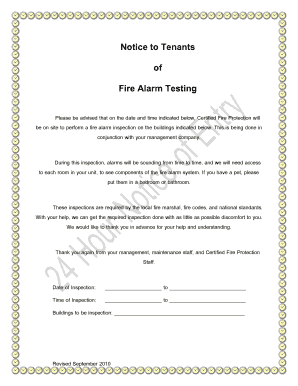
- Date and exact timeframe of the testing (start and estimated end time).
- Specific areas or floors that will be affected by the testing.
- A clear statement that this is a test and not an actual emergency.
- What to expect during the test (e.g., intermittent alarms, flashing lights, brief evacuation drills).
- A contact person or department with a phone number for any questions or concerns.
- An apology for any inconvenience the testing may cause.
Best Practices for Distribution
- Email: Send a clear and concise email to all occupants and stakeholders.
- Physical Notices: Post notices in prominent, high-traffic areas like lobbies, elevators, and common rooms.
- Building Management Apps: Utilize any existing digital communication platforms used by residents or employees.
- Verbal Announcements: For larger facilities, consider brief verbal announcements in common areas ahead of time.
Beyond the Basic Notice: Why Communication Matters
Effective communication during fire alarm testing goes far beyond simply ticking a box for compliance. It’s about fostering an environment of trust and safety within your building community. When you consistently provide clear and timely notices, you demonstrate a commitment to both the safety and comfort of your occupants. This proactive approach helps build a positive relationship, reducing stress and increasing cooperation when these necessary disruptions occur.
Think about the ripple effect of poor communication. Unannounced alarms can lead to panic, lost productivity, and a flood of calls to management. Conversely, a well-drafted notice, utilizing a reliable fire alarm testing notice template, mitigates these issues. It allows individuals to plan around the disruption, move important meetings, or simply know what to expect. This small effort on your part can save a lot of headaches for everyone involved.
Ultimately, clear communication reinforces the message that safety is a top priority. It shows that you are organized, considerate, and professional in your approach to building management. This doesn’t just make the testing process smoother; it enhances the overall living or working experience for everyone in your facility. It’s about building a reputation for responsible and thoughtful management.
Regular fire alarm testing is a critical component of any comprehensive safety plan, ensuring that your building is prepared for any emergency. The key to making these essential tests run smoothly, with minimal disruption and maximum cooperation, lies in exceptional communication. By utilizing a clear and comprehensive template, you empower your occupants with the information they need, turning potential frustration into understanding and preparedness.
Investing a little time in crafting and distributing a professional notice before each test is an investment in your building’s safety culture and occupant satisfaction. It ensures that everyone is on the same page, aware of what’s happening, and understands the vital role these tests play in keeping them safe.