Navigating the complexities of landlord-tenant relationships can often be challenging, especially when circumstances lead to the difficult decision of ending a tenancy. Whether you’re a seasoned property owner or new to managing rental units, understanding the proper legal procedures is paramount to ensuring a smooth and compliant transition for all parties involved.
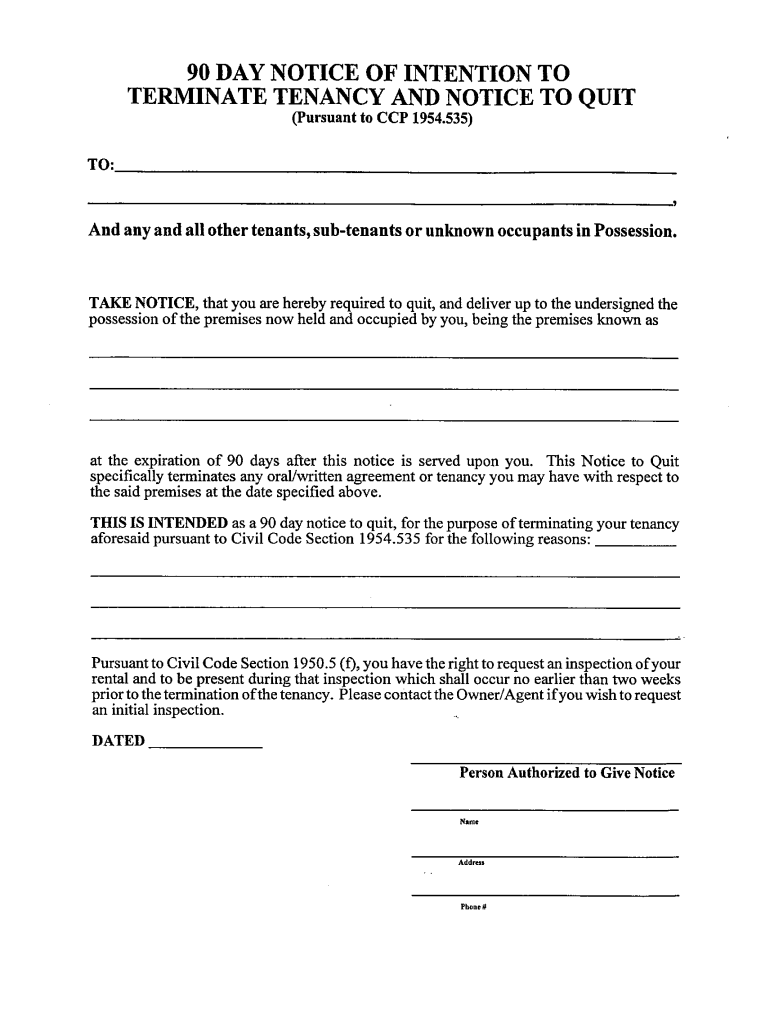
In many jurisdictions, specific situations require landlords to provide a longer notice period before a tenant is legally obligated to vacate a property. This often includes scenarios such as the non-renewal of a lease, specific types of lease violations, or even local rent control ordinances. Having a reliable 90 day eviction notice template can be an invaluable tool to ensure you adhere to legal requirements and clearly communicate your intentions.
Failing to follow the correct legal steps can result in significant delays, costly court battles, and unnecessary stress. Therefore, having the right documentation, served in the correct manner, is not just a recommendation but a critical component of responsible property management. It ensures fairness, transparency, and adherence to the law.
Understanding When a 90-Day Notice Is Necessary
The requirement for a 90-day eviction notice isn’t universal; it varies significantly based on local, state, and sometimes even federal laws. Different jurisdictions have distinct regulations regarding the length of notice landlords must provide, depending on the reason for the eviction and the type of tenancy. For instance, in some areas, a 90-day notice is standard for month-to-month tenancies or when a landlord chooses not to renew a fixed-term lease, particularly if the tenant has resided in the property for a significant period.
Furthermore, certain types of rental properties or tenants might trigger a longer notice period. For example, tenants living in properties under government-subsidized housing programs, or those protected by specific tenant rights acts, often receive extended notice periods. Similarly, in instances where a property is being foreclosed upon, federal law has historically mandated a 90-day notice for existing tenants to allow them ample time to find new housing.
Even for-cause evictions, such as repeated lease violations or non-payment of rent, can sometimes lead to a 90-day requirement, especially if local laws provide a lengthy “cure or quit” period or if the landlord opts to provide extended notice to avoid potential legal challenges. It’s always crucial to research the specific regulations that apply to your property’s location and the nature of your tenancy agreement.
Navigating Specific Scenarios
Consider cities with robust tenant protections or rent control ordinances. These areas often impose stricter requirements on landlords, frequently extending notice periods for non-renewal or even for owner move-ins. What might be a 30 or 60-day notice in one state could easily become 90 or even 120 days in another, particularly in high-demand rental markets with strong tenant advocacy.
It’s not just about the length of the notice, but also the clarity and completeness of the document itself. A notice must accurately convey all necessary information and be served through legally recognized methods. Skipping steps or providing incorrect information can invalidate the notice, forcing you to restart the entire process, which can be both time-consuming and frustrating.
To ensure your 90-day notice is legally sound and effective, it typically needs to include:
* The full name and address of the tenant(s).
* The full name and address of the landlord or property manager.
* The complete address of the rental property.
* A clear statement of the termination of tenancy.
* The exact date by which the tenant must vacate the premises.
* The reason for the notice (if legally required).
* The date the notice is being served.
* The landlord’s signature.
Proper delivery is just as important as the content. Depending on your local laws, this might involve certified mail, personal service by a sheriff, or posting the notice on the property with a follow-up mailing. Always keep proof of service for your records.
Crafting Your 90-Day Eviction Notice Template
Developing a clear and legally compliant 90 day eviction notice template is a critical step for any landlord facing the need to terminate a tenancy. While the internet offers numerous generic templates, it’s essential to remember that these are just starting points. Each jurisdiction has unique requirements, and what works perfectly in one state might fall short or even be legally flawed in another. Therefore, customizing any template to align precisely with your local landlord-tenant laws is not merely a recommendation but a necessity.
Your template should serve as a foundational document, providing a structured format to include all the legally mandated information. Beyond the basic details like names, addresses, and dates, it should clearly state the reason for the notice if required by law (e.g., non-renewal, lease violation, owner move-in). The language used must be unambiguous, avoiding any jargon or vague statements that could be misinterpreted or challenged in court. Precision in phrasing can save immense headaches down the line.
Furthermore, consider adding details that might not be strictly legally required but can aid in a smoother transition. For example, information regarding the move-out inspection process, details about security deposit return, or even a polite reminder about leaving the property in a clean condition can be helpful. While not part of the legal notice itself, these additions can contribute to a more professional and less contentious parting of ways. Always ensure that the document adheres to the specific formatting and content mandates of your local statutes to avoid any legal vulnerabilities.
Navigating the nuances of eviction laws can be complex, and getting it right from the start is crucial. Properly serving a tenant with a correct and timely 90-day notice sets the stage for a legally sound process, protecting your interests while respecting the tenant’s rights.
Remember, this document is a serious legal instrument. It’s always prudent to review your completed notice with a legal professional specializing in landlord-tenant law to ensure full compliance with all applicable regulations. This proactive step can prevent costly errors and provide peace of mind during a potentially stressful period.