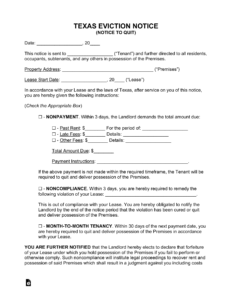
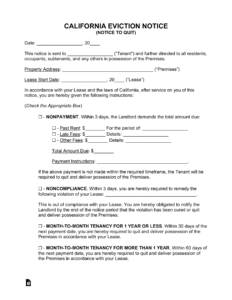
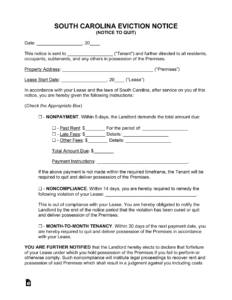
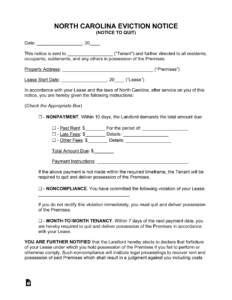
Dealing with a challenging tenant situation can be one of the most stressful experiences a landlord faces. Sometimes, circumstances escalate to a point where immediate action is required. This often involves serving an eviction notice, and in very specific, severe cases, a 24-hour notice might be necessary. Understanding the weight and legal implications behind such a notice is paramount.
An eviction notice is a formal legal document that informs a tenant they must vacate the property. While most notices provide a longer timeframe, like 30 or 60 days, a 24-hour notice is reserved for the most urgent and serious breaches of a lease agreement, often involving safety, illegal activities, or severe property damage. It’s a tool that should be used with extreme caution and a clear understanding of the law.
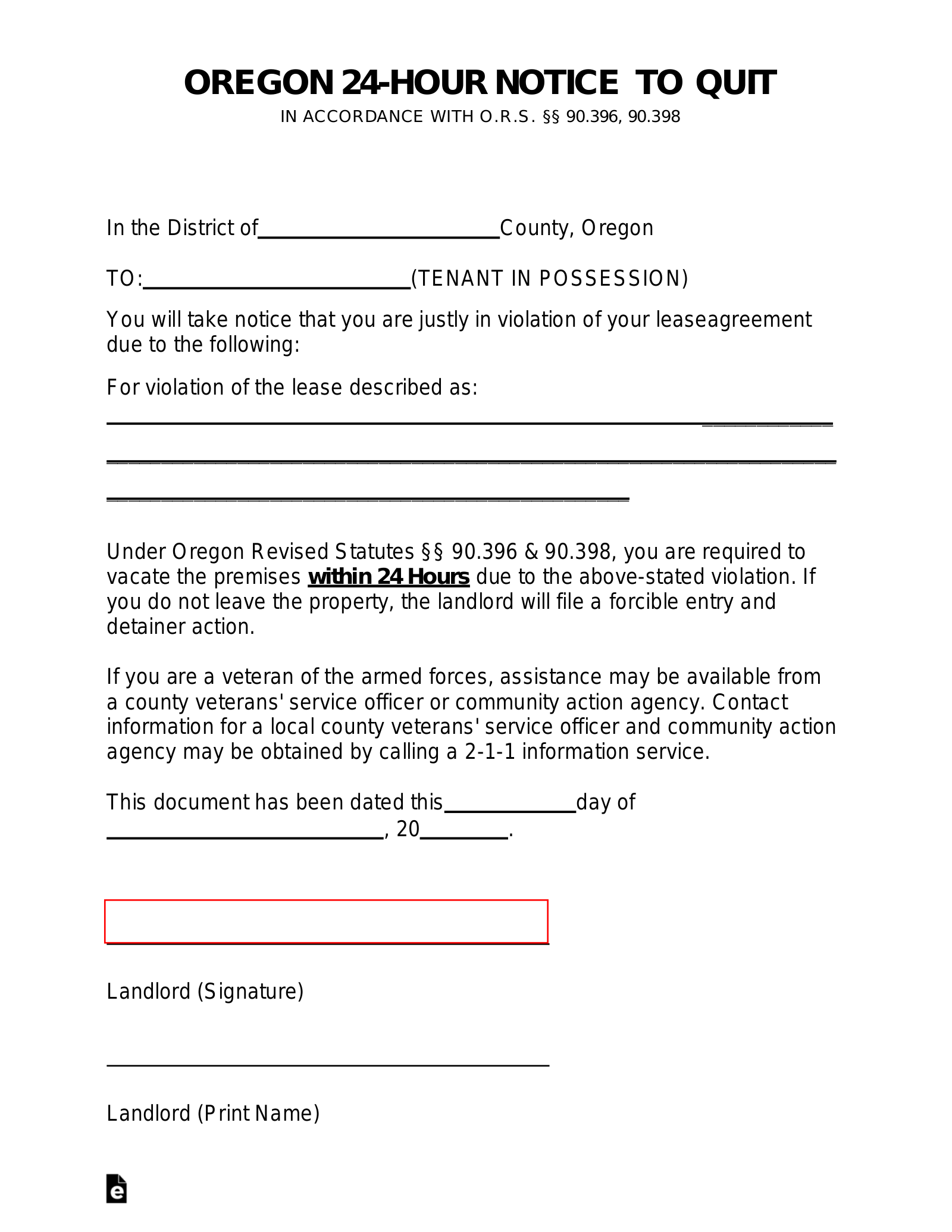
Because of the strict deadlines and grave consequences involved, finding a reliable 24 hour eviction notice template can be incredibly helpful. However, merely having a template isn’t enough; you also need to grasp the legal framework surrounding its use to ensure you’re acting within your rights and following proper procedures. This article will guide you through the intricacies of such notices, helping you understand when and how to utilize them responsibly.
Understanding the 24-Hour Eviction Notice
A 24-hour eviction notice is precisely what it sounds like: a formal demand for a tenant to vacate the premises within a single day. This type of notice is not for minor infractions like late rent or a noisy party, which typically warrant much longer notice periods. Instead, it’s reserved for the most severe breaches of a lease agreement that pose an immediate and irreparable threat to the property, other tenants, or public safety. These situations are often non-curable, meaning the tenant cannot fix the issue to avoid eviction.
Common scenarios where a 24-hour notice might be permissible include engaging in illegal drug activity on the property, causing extensive and deliberate property damage, committing violent acts, or posing an imminent danger to other residents or the landlord. Each state, and even local municipality, has very specific laws defining what constitutes a valid reason for such an expedited eviction. Failing to meet these strict legal criteria can result in the notice being invalid, potentially leading to lengthy and costly legal battles.
It is crucial for landlords to research and understand their local landlord-tenant laws thoroughly before considering a 24-hour notice. What is legal in one state might be entirely illegal in another. Consulting with a legal professional specializing in landlord-tenant law is always advisable to ensure compliance and protect yourself from potential legal repercussions. This notice is a powerful legal instrument, and its misuse can have serious consequences for the landlord.
When you do have a legitimate reason and are operating within the bounds of the law, the notice itself must contain specific information to be legally enforceable. Missing key details can render the notice void. It’s not just about telling someone to leave; it’s about creating a clear, documented legal record of the violation and the action taken.
Key Elements of a 24-Hour Eviction Notice
- Tenant’s Full Legal Name and Current Address: Ensure accuracy to identify the party being served.
- Landlord’s Full Legal Name and Address: Clear identification of the issuing party.
- Property Address: The specific address of the rental unit from which the tenant is being evicted.
- Date of Notice: The exact date the notice is issued.
- Clear and Specific Reason for Eviction: This is perhaps the most critical part. You must detail the exact lease violation or illegal activity that warrants the 24-hour notice, referencing the specific clause in the lease if applicable, and including dates, times, and descriptions of the incident(s).
- Date and Time by Which Tenant Must Vacate: State the precise deadline, 24 hours from the time of service, for the tenant to move out.
- Statement Regarding Legal Action: Inform the tenant that if they fail to vacate, legal proceedings (e.g., unlawful detainer lawsuit) will be initiated without further notice.
- Landlord’s Signature: The landlord or authorized agent must sign the notice.
Proper service of the notice is also a legal requirement. Depending on local laws, this might involve personal delivery, certified mail, or posting the notice on the property in a conspicuous place. Documentation of service, such as a certificate of mailing or an affidavit of service, is often required.
How to Use a 24-Hour Eviction Notice Template Effectively
While a 24 hour eviction notice template can provide a solid foundation, remember that it’s a starting point, not a complete solution. Templates offer the basic structure and necessary legal language, but they must be customized with precise details relevant to your specific situation and local laws. Simply downloading and printing a generic template without careful review is a recipe for potential legal trouble. The template ensures you don’t miss any critical sections, but the content within those sections must be accurate and legally sound.
To effectively use a template, you’ll need to undertake several crucial steps. First, ensure the template you choose is reputable and, ideally, reviewed by legal professionals or tailored to your general jurisdiction. Next, meticulously fill in all the blank spaces with accurate information. This includes the full legal names of all parties involved, the complete address of the rental property, and the exact date and time the notice is issued. The most important section to complete with utmost care is the description of the lease violation. This needs to be specific, factual, and directly related to the conditions that allow for a 24-hour eviction in your jurisdiction.
Steps for Customizing and Serving Your Notice
- Download a reputable template, ideally one that allows for easy editing.
- Thoroughly research your state and local landlord-tenant laws to confirm the specific grounds for a 24-hour eviction.
- Accurately fill in all tenant and landlord information, property address, and the date of the notice.
- Draft a precise and detailed description of the eviction grounds, including specific dates, times, and actions that violate the lease or law.
- Clearly state the 24-hour deadline for the tenant to vacate the premises.
- Make multiple copies of the completed notice for your records.
- Serve the notice according to your local legal requirements (e.g., personal service, certified mail, posting). Document how and when it was served.
Once the notice is properly served, the 24-hour clock begins. If the tenant fails to vacate the property within this timeframe, the landlord typically must then proceed with filing an unlawful detainer lawsuit in court to legally regain possession of the property. Self-help evictions, such as changing locks or removing tenant belongings, are illegal and can lead to severe penalties.
Navigating the complexities of eviction, especially a 24-hour notice, requires a deep understanding of legal procedures and an unwavering commitment to fairness and the law. While a template provides a framework, the responsibility for its proper execution ultimately rests with the landlord. Always prioritize legal counsel to ensure every step is taken correctly, protecting both your investment and your legal standing in what can be a very challenging situation. Adherence to legal guidelines is not merely a formality but a safeguard for everyone involved in the rental process.