Deciding to move on from your current job can be a big step, filled with a mix of emotions from excitement for new opportunities to a touch of nervousness about the transition. One of the most important parts of leaving gracefully and professionally is notifying your employer. This isn’t just a courtesy; it’s a vital part of maintaining your professional reputation and ensuring a smooth handover for everyone involved.
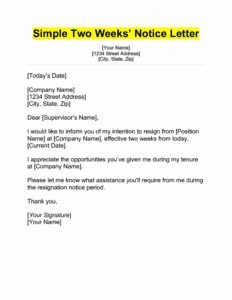
When you’re ready to make that leap, having a clear and concise letter prepared is key. That’s where a well-crafted 2 week work notice template comes in handy. It provides a structured way to communicate your departure, ensuring you include all the necessary information without missing any crucial details. It helps you stay professional and polite, even if your reasons for leaving are complex.
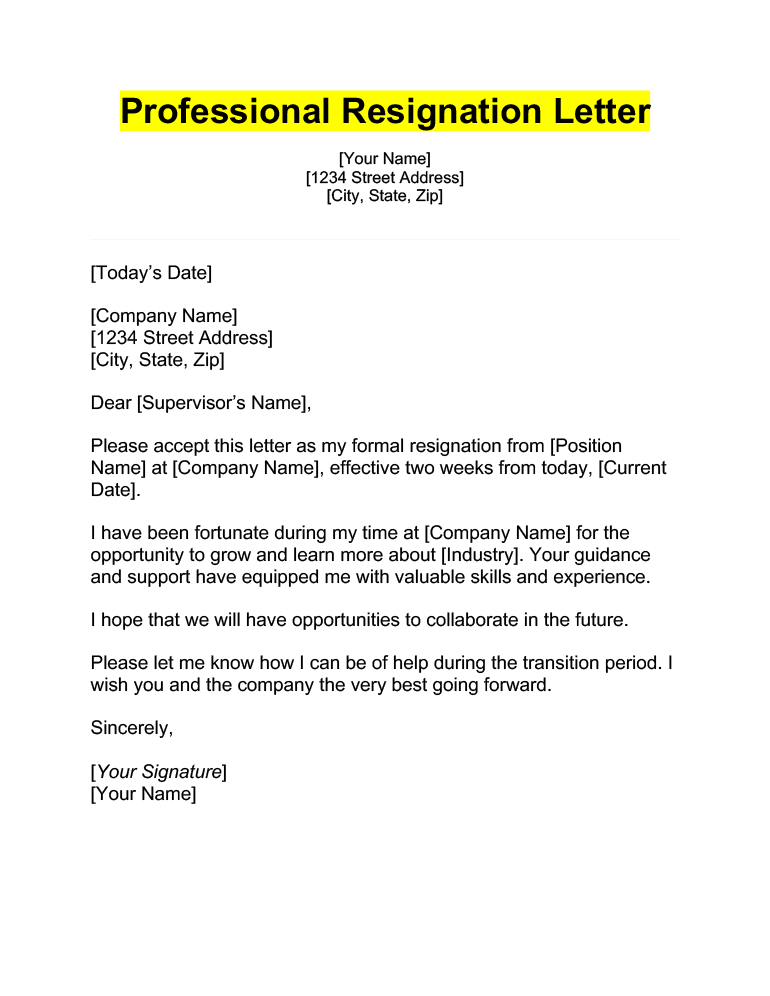
This guide will walk you through the process of writing an effective notice letter, highlighting what to include, common pitfalls to avoid, and how to ensure your final days at the company are as positive and productive as possible. We’ll help you navigate this often delicate but necessary step in your career journey.
Crafting Your Professional Farewell How to Write a 2 Week Notice Letter
Writing a 2 week notice letter doesn’t have to be a daunting task. Think of it as a formal but polite way of informing your employer about your resignation and your last day of employment. The primary goal is to provide clear communication, maintain professionalism, and facilitate a smooth transition for both you and the company. Even if you’re eager to start a new role, resisting the urge to simply walk out is paramount for your future career prospects. Future employers often conduct reference checks, and a graceful exit speaks volumes about your character and work ethic.
Your notice letter should always be concise and to the point. There’s no need for lengthy explanations or justifications for your departure. Stick to the facts: state your intention to resign, specify your last day of employment, and offer to assist with the transition. Remember, this document becomes part of your employment record, so keeping it professional is crucial. Avoid burning bridges, as you never know when your paths might cross again, or when you might need a reference from a former manager or colleague.
Key Elements Your Notice Letter Must Have
To ensure your letter is comprehensive and effective, here are the essential components it should always include:
Tips for a Smooth Transition
Beyond the letter itself, how you handle the two-week period can significantly impact your professional legacy. Here are some pointers:
The Benefits of Giving Proper Notice for Both You and Your Employer
Giving a proper two-week notice isn’t just a formality; it’s a practice that carries significant benefits for both you and your current employer. For you, it protects your professional reputation, which is an invaluable asset in any career. Future employers often seek references from previous workplaces, and leaving on good terms ensures that your former managers and colleagues can speak positively about your work ethic and professionalism. It demonstrates reliability and respect, qualities that are highly valued in any industry.
Furthermore, a well-handled resignation can lead to better networking opportunities down the line. The professional world is smaller than you think, and maintaining positive relationships with former colleagues and supervisors can open doors to new possibilities in the future. You might even find yourself working with some of them again, or they could become valuable contacts who provide advice or leads for your next career move. It also gives you peace of mind, knowing you’ve acted ethically and responsibly.
For your employer, receiving a two-week notice allows them adequate time to plan for your departure. This includes initiating the hiring process for your replacement, reallocating responsibilities among existing team members, or ensuring that critical projects aren’t disrupted. This transition period minimizes potential productivity dips and stress for the remaining team members, reflecting positively on your contribution even as you leave.
Leaving a job is a natural part of a career progression, and doing so with professionalism and courtesy is a hallmark of a thoughtful individual. By taking the time to write a clear and respectful notice letter and by managing your final two weeks effectively, you ensure that you depart on excellent terms. This commitment to professionalism will undoubtedly serve you well as you embark on new and exciting chapters in your working life. Your thoughtful approach will leave a lasting positive impression, opening doors rather than closing them.