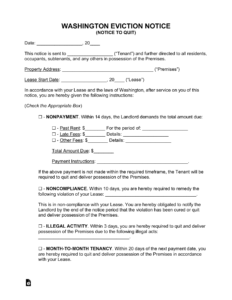
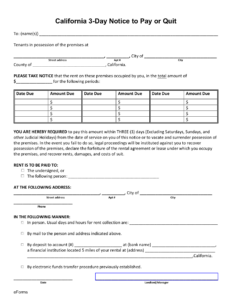
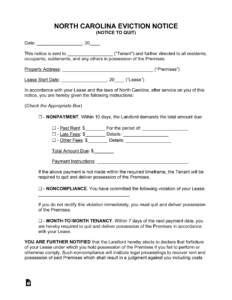
When navigating the complexities of landlord-tenant relationships, situations sometimes arise where a landlord must initiate the eviction process. It is a step no one takes lightly, often stemming from lease violations or unpaid rent, and requires careful adherence to legal protocols. Having a reliable 15 day eviction notice template ready can streamline this challenging procedure, ensuring you comply with local regulations and communicate clearly with your tenant.
Understanding the specific laws that govern evictions in your area is paramount. A single misstep can invalidate your notice, delay the process, and potentially lead to legal complications. This guide aims to demystify the 15-day notice, helping you understand when and how to properly use it, and what key elements must be included to make it legally sound.
Our goal is to provide you with a clear roadmap, empowering you to approach this sensitive situation with confidence and accuracy. While this information is designed to be helpful, always remember that it is not a substitute for legal advice, and consulting with a local attorney is often the best course of action.
Understanding the 15-Day Eviction Notice
A 15-day eviction notice is a formal document a landlord serves to a tenant, informing them that they have 15 days to either correct a specific lease violation or vacate the property. The specific reasons that warrant a 15-day notice, as opposed to a shorter 3-day notice or a longer 30-day notice, are typically defined by state and local landlord-tenant laws. This type of notice is often referred to as a “cure or quit” notice, meaning the tenant has an opportunity to fix the problem within the specified timeframe.
Unlike an unconditional quit notice, which demands the tenant leave without any option to remedy the issue, the 15-day notice usually provides a window for resolution. For example, if a tenant has violated a “no pets” clause or has caused minor property damage, a 15-day notice might give them the opportunity to remove the pet or repair the damage within 15 days. If the issue is not resolved, or “cured,” by the deadline, the landlord can then proceed with filing an eviction lawsuit in court.
It is crucial to remember that the rules for eviction notices vary significantly from state to state, and even between cities or counties. What might be a valid reason for a 15-day notice in one jurisdiction could require a different notice period or even different grounds for eviction in another. Always verify the specific requirements for your location before issuing any eviction notice. Misunderstanding these local nuances can lead to unnecessary delays and legal challenges for landlords.
Common Reasons for a 15-Day Notice
While exact reasons vary, a 15-day notice is frequently used for specific types of lease violations that are considered remediable. Here are some of the most common scenarios:
- Unauthorized pets: If a tenant brings a pet onto the property in violation of the lease agreement, a 15-day notice might require them to remove the pet or face eviction.
- Minor property damage: Damage beyond normal wear and tear, but not severe enough to warrant an immediate unconditional quit notice, could be addressed with a 15-day notice to repair.
- Unapproved occupants: Allowing individuals not listed on the lease to reside in the property without landlord consent often falls under this category.
- Repeated minor lease violations: Consistent breaches of quiet hours, parking rules, or waste disposal guidelines, if specified in the lease, could prompt this notice.
If the tenant successfully remedies the violation within the 15 days, the landlord generally cannot proceed with the eviction based on that specific notice. However, if the violation persists or is not cured, the landlord can then move forward with filing an unlawful detainer action in court. This step signifies the formal start of the legal eviction process.
Crafting Your Eviction Notice Template
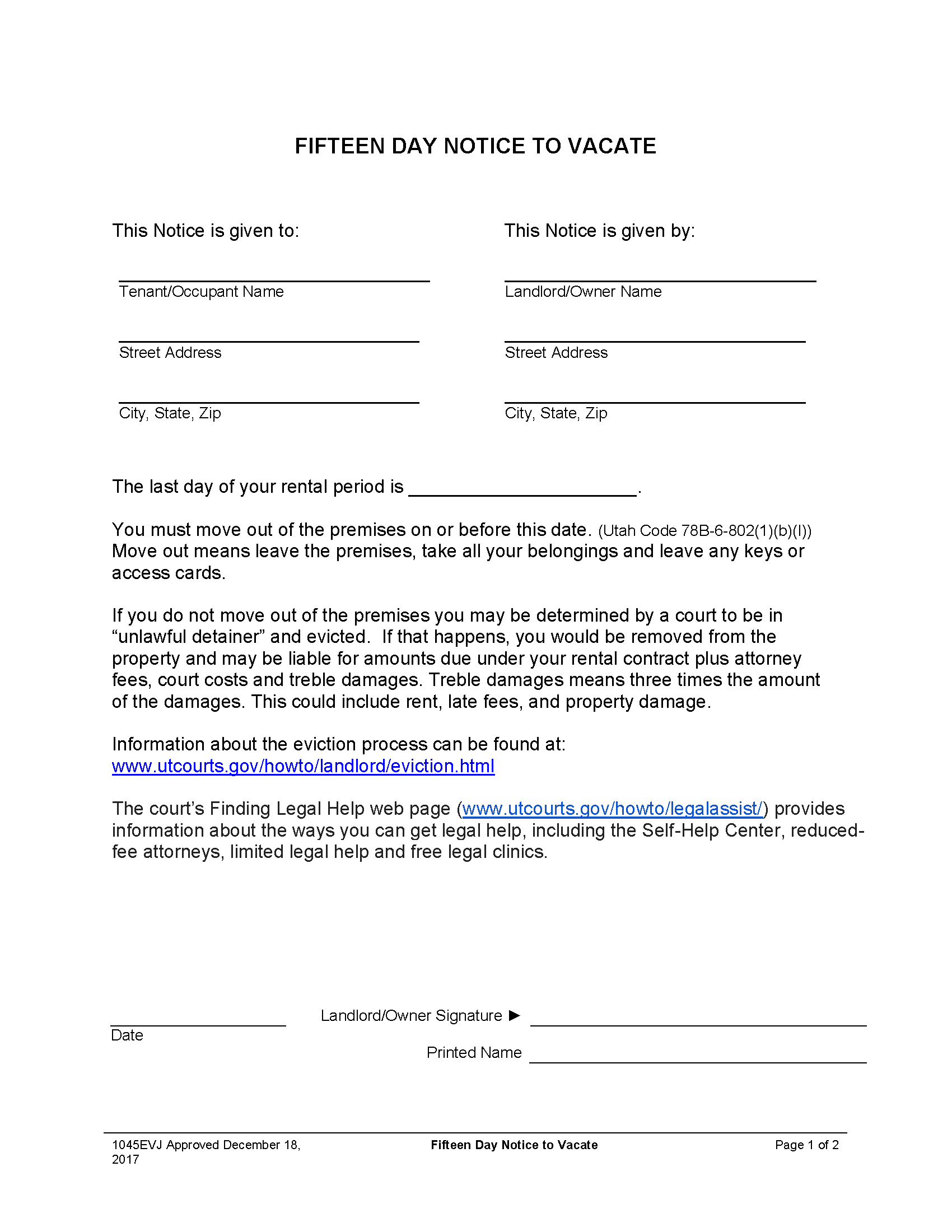
When preparing your 15-day eviction notice, precision and clarity are your best friends. A well-drafted notice leaves no room for ambiguity, clearly stating the violation, the required action, and the consequences of non-compliance. It should be professional, fact-based, and devoid of emotional language. Using a reliable template ensures you include all necessary legal components, protecting both your interests and the tenant’s rights to proper notification.
Every legally valid eviction notice must contain specific information to be enforceable. Omitting even a single crucial detail could render the notice invalid, forcing you to start the entire process over again. This can be frustrating and costly, highlighting why careful attention to detail is so important when dealing with such sensitive documents.
Here is a list of essential elements that should be included in your 15-day eviction notice template:
- The full names of both the landlord and all tenants listed on the lease.
- The complete address of the rental property, including unit number if applicable.
- The date the notice is being issued.
- The specific reason(s) for the eviction notice, detailing the lease violation(s) with dates if possible.
- A clear statement that the tenant has 15 days to either cure the violation or vacate the premises.
- The exact date by which the tenant must comply or move out.
- A statement of intent to file an unlawful detainer action if the tenant fails to comply.
- The landlord’s signature and contact information.
- A “Certificate of Service” section, documenting how and when the notice was delivered to the tenant.
Once your notice is drafted, proper service is just as critical as its content. Most jurisdictions require notices to be served in specific ways, such as personal delivery, certified mail, or posting on the property. Always retain proof of service, as this document will be essential if you need to proceed with court action.
Navigating landlord-tenant law can be complex, and ensuring every step of the eviction process aligns with state and local regulations is non-negotiable. While a 15 day eviction notice template can be an invaluable tool, remember that it serves as the initial step in a potentially lengthy legal procedure. Always prioritize adherence to the law and clear, consistent communication.
Ultimately, the goal is to resolve the situation effectively and legally, whether that means the tenant cures the violation, vacates the property, or the process moves to court. Being prepared with accurate documentation and a clear understanding of your rights and responsibilities will serve you well through this challenging but sometimes necessary journey.