Navigating the world of healthcare can sometimes feel like trying to solve a complex puzzle, especially when it comes to understanding costs. Many of us have experienced the anxiety of receiving an unexpected medical bill, unsure of what services we’re being charged for or why the amount differs from what we anticipated. This lack of transparency can lead to financial stress and erode trust between patients and providers.
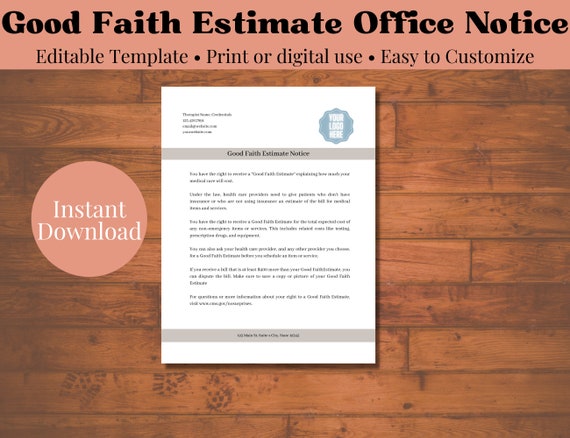
That’s where the Good Faith Estimate (GFE) comes in. It’s a crucial tool designed to bring clarity and predictability to healthcare costs, particularly for those who are uninsured or self-pay. Essentially, it’s an itemized list of anticipated charges for scheduled services, providing a clear picture before care is even delivered. Having a robust good faith estimate notice template is essential for any healthcare provider aiming for compliance and patient satisfaction.
The goal is simple: no more surprise bills. By proactively communicating expected costs, healthcare providers can empower patients to make informed decisions about their care, budget accordingly, and focus on their health rather than worrying about financial shocks. It’s about building a foundation of trust and transparency in every interaction.
Understanding the Good Faith Estimate and Why It Matters
A Good Faith Estimate isn’t just a casual guess; it’s a detailed breakdown of the items and services you can reasonably expect to be charged for a scheduled healthcare service. Think of it as a comprehensive roadmap for your medical expenses. This includes costs related to the primary service itself, like a surgery or diagnostic test, as well as any other care that is typically provided in conjunction, such as anesthesia, facility fees, lab work, or consultations from other providers involved in your care.
This estimate is specifically designed to protect patients who are uninsured, don’t plan to use their insurance for a particular service, or are self-paying. Under the No Surprises Act, healthcare providers and facilities are legally required to provide a GFE to these individuals. It ensures that before you commit to a service, you have a clear understanding of the financial commitment involved, allowing you to compare costs and avoid unexpected charges down the line.
The No Surprises Act, which went into effect on January 1, 2022, is a landmark piece of legislation aimed at shielding consumers from surprise medical bills. It mandates that healthcare providers must give patients a Good Faith Estimate within specific timeframes. For instance, if a service is scheduled at least 10 business days in advance, the GFE must be provided no later than 3 business days after the service is scheduled. If scheduled fewer than 10 business days in advance, it must be provided no later than 1 business day after scheduling. Failure to provide this estimate can lead to penalties and disputes.
Key Components of an Effective Good Faith Estimate
To be effective and compliant, a Good Faith Estimate must contain several critical pieces of information. It’s not enough to just give a ballpark figure; the estimate needs to be comprehensive and easy for a patient to understand. This ensures that every party involved has a clear reference point and reduces potential misunderstandings.
- Patient information, including their name and date of birth.
- A clear description of the primary service, such as a specific procedure or consultation.
- A detailed list of other items and services anticipated to be furnished in conjunction with the primary service.
- Diagnosis and procedure codes, if applicable, to precisely identify the services.
- Expected charges from the convening provider or facility, and any co-providers or co-facilities.
- Disclaimers stating that the GFE is an estimate and actual charges may vary.
- Instructions on how to dispute charges if they are substantially higher than the estimate.
- Contact information for the convening provider or facility to answer any questions.
The spirit of the No Surprises Act is to foster an environment where patients are never caught off guard by medical costs. The Good Faith Estimate is the cornerstone of this protection, serving as a transparent agreement between the patient and provider about the expected financial outlay. It empowers patients with knowledge, allowing them to make informed decisions and budget responsibly for their healthcare needs.
Crafting Your Own Good Faith Estimate Notice Template
For healthcare providers, having a well-structured and easy-to-use good faith estimate notice template isn’t just about compliance; it’s about efficiency and clear communication. A standardized template ensures that all the necessary information is consistently captured and delivered to every eligible patient, reducing the risk of errors and saving valuable administrative time. It helps streamline the process, making it less burdensome for your staff while ensuring patients receive the detailed information they need.
When developing or refining your good faith estimate notice template, think about clarity and comprehensiveness. The language should be straightforward, avoiding overly technical jargon that might confuse patients. It should clearly outline the services, their estimated costs, and any relevant disclaimers. Remember, this document is a protective measure for both your patients and your practice, fostering trust and minimizing potential disputes over billing.
- Start with clear identification fields for both your practice and the patient.
- Organize services and estimated costs into logical categories for easy readability.
- Include all mandatory disclaimers regarding the estimate’s non-binding nature and the patient’s right to dispute.
- Provide prominent contact information for patients to ask questions or seek clarification.
- Ensure the layout is clean, legible, and accessible to everyone.
- Make sure there’s a clear space for patient acknowledgment or signature, if applicable.
Finally, remember that regulations and services can change. Your template should be a living document, reviewed and updated regularly to reflect any adjustments in service offerings, pricing structures, or legal requirements. Keeping your template current ensures ongoing compliance and continues to provide the most accurate and helpful information to your patients, reinforcing your commitment to transparency and patient care.
Embracing the Good Faith Estimate process is a proactive step towards greater transparency in healthcare. It allows patients to confidently engage with medical services, knowing they have a clear understanding of the financial aspects involved. For providers, it’s an opportunity to strengthen patient relationships, demonstrate a commitment to ethical practices, and reduce administrative overhead associated with billing disputes.
By effectively utilizing and maintaining a robust system for providing these estimates, healthcare facilities and individual practitioners contribute to a more trustworthy and understandable healthcare landscape. This fosters an environment where patients feel informed, respected, and empowered, ultimately leading to better health outcomes and stronger community trust in medical providers.