Running a successful commercial lawn care business isn’t just about perfectly manicured lawns and reliable service; it’s also about solid, clear agreements that protect both you and your clients. That’s where a well-crafted commercial lawn care contract template becomes an invaluable asset. It’s the foundation of every professional relationship, ensuring everyone is on the same page from day one regarding expectations, services, and payments.
Imagine the frustration of a disagreement over what services were included or when payment is due. These misunderstandings can easily sour a professional relationship and even lead to costly disputes. A contract acts as a detailed roadmap, preventing these issues before they even arise by outlining every aspect of your agreement in black and white.
This document serves as your guide to understanding why having a robust contract is crucial and what key elements you should look for in a template. It’s about building trust, demonstrating professionalism, and safeguarding your business against potential headaches, allowing you to focus on what you do best: making commercial properties look fantastic.
The Cornerstone of Professional Commercial Lawn Care: Why a Contract Template is Indispensable
When you’re dealing with commercial clients, the stakes are often higher than with residential accounts. Businesses rely on a consistent, high-quality appearance, and any service disruptions or misunderstandings can have a greater impact. A strong contract template is not just a formality; it’s a vital tool that protects your revenue, reputation, and client relationships by clearly defining the scope and terms of your service.
Defining Services and Scope
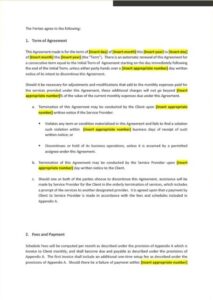
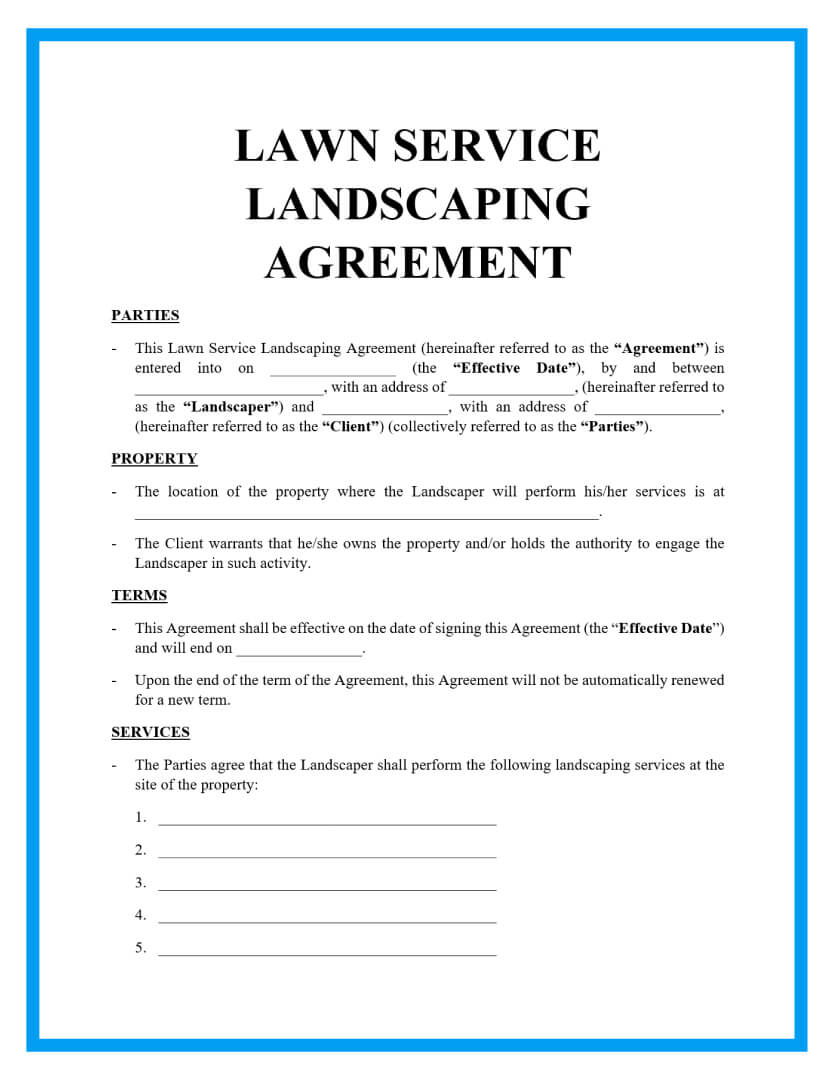
One of the primary benefits of a detailed contract is the ability to precisely outline the services you will provide. This section should leave no room for ambiguity. Will you be mowing, trimming, edging, and blowing? What about fertilization, weed control, or seasonal cleanups? Specify the frequency of these services—weekly, bi-weekly, monthly, or on an as-needed basis. Detail any specific equipment considerations or access requirements for the property. Clearly setting these expectations upfront prevents future debates about what was or wasn’t included in the agreed-upon service package.
Payment Terms and Schedule
Money matters can be the quickest way to strain a relationship if not handled transparently. Your contract should clearly state the total cost of services, whether it’s a flat fee, an hourly rate, or a per-service charge. Crucially, it must outline the payment schedule (e.g., monthly, per service, quarterly), accepted payment methods, and the due date for invoices. Don’t forget to include provisions for late fees or penalties for overdue payments. This ensures your cash flow remains healthy and avoids uncomfortable conversations about money later on.
Term and Termination
Every contract needs a beginning and an end, or at least a clear process for continuation. Specify the duration of the agreement—is it a seasonal contract, a year-long agreement, or does it automatically renew? Equally important are the conditions under which either party can terminate the contract. This might include a notice period (e.g., 30 days written notice), non-payment, breach of contract, or failure to perform services as agreed. Having these clauses clearly defined offers a safety net for both you and your client.
Insurance and Liability
Accidents can happen, and in the commercial landscape, they can have significant ramifications. Your contract should stipulate that you, as the contractor, carry appropriate liability insurance. It might also specify the client’s responsibilities regarding property damage not caused by your team or existing hazards on their site. This section protects both parties from unforeseen circumstances and ensures that financial responsibilities are understood should an incident occur.
Client Responsibilities
It’s not all about what the contractor does; clients also have responsibilities that impact your ability to perform services effectively. This could include ensuring clear access to the property on service days, informing you of any specific property rules or changes, or providing necessary resources like water access if required for certain services. Clearly stating these helps avoid delays or inefficiencies on your part.
Dispute Resolution
Despite everyone’s best intentions, disagreements can still arise. A well-rounded contract will include a clause outlining the process for resolving disputes. This might suggest initial discussions between the parties, followed by mediation or arbitration if an agreement cannot be reached informally. Having this framework in place can save time and money by avoiding litigation.
Customizing Your Template and Putting It to Work
While a commercial lawn care contract template provides an excellent starting point, remember that it is just that – a template. To truly serve your business and specific client needs, it must be customized. Think of it as a framework that you fill in with the unique details of each project, ensuring every agreement reflects the specifics of the job at hand.
The beauty of using a template is that it ensures you don’t miss any critical clauses, but the real power comes from tailoring it. Before sending it to a client, review every section carefully. Does it accurately reflect the conversations you’ve had and the services you’ve agreed upon? Are the dates, prices, and specific property details correct? Each commercial property is unique, and your contract should reflect that individuality.
Here are some key areas you’ll almost always need to customize:
* Client and Contractor Information: Full legal names, addresses, and contact details for both parties.
* Detailed Service List and Schedule: Beyond general services, specify particular zones, special requests, and exact dates or frequency.
* Pricing Structure and Payment Schedule: The agreed-upon fees, how they are broken down, and precise due dates.
* Specific Site Considerations: Any unique access codes, gate times, areas to avoid, or client-provided equipment.
* Local Regulations and Laws: Ensure your contract complies with any specific municipal or state requirements for service agreements.
Once customized, present the contract clearly and be prepared to walk your client through it, answering any questions they may have. This collaborative approach builds trust and ensures both parties are fully informed before signing. A signed contract isn’t just a piece of paper; it’s a mutually agreed-upon commitment.
Embracing a robust contract strategy for your commercial lawn care services will bring a sense of professionalism and security to every job. It sets the stage for transparent communication and prevents misunderstandings, allowing you to focus on delivering exceptional service and building lasting client relationships. Taking the time to prepare and present clear agreements demonstrates your commitment to quality, not just in your work, but in your business practices too.