Navigating the world of commercial property management and landscaping services requires clear communication and robust agreements. To ensure both parties are on the same page, a well-drafted commercial landscape maintenance contract template is absolutely essential. It lays out the expectations, responsibilities, and terms, creating a solid foundation for a successful working relationship and preventing potential misunderstandings down the line. It’s more than just a piece of paper; it’s a blueprint for ongoing outdoor aesthetic and functional excellence.
Having a clear contract in place offers peace of mind for both the service provider and the property owner. It protects against scope creep, clarifies payment schedules, and defines what happens in unforeseen circumstances. Without such an agreement, services can become vague, leading to disputes over what was promised versus what was delivered, or even issues with payment.
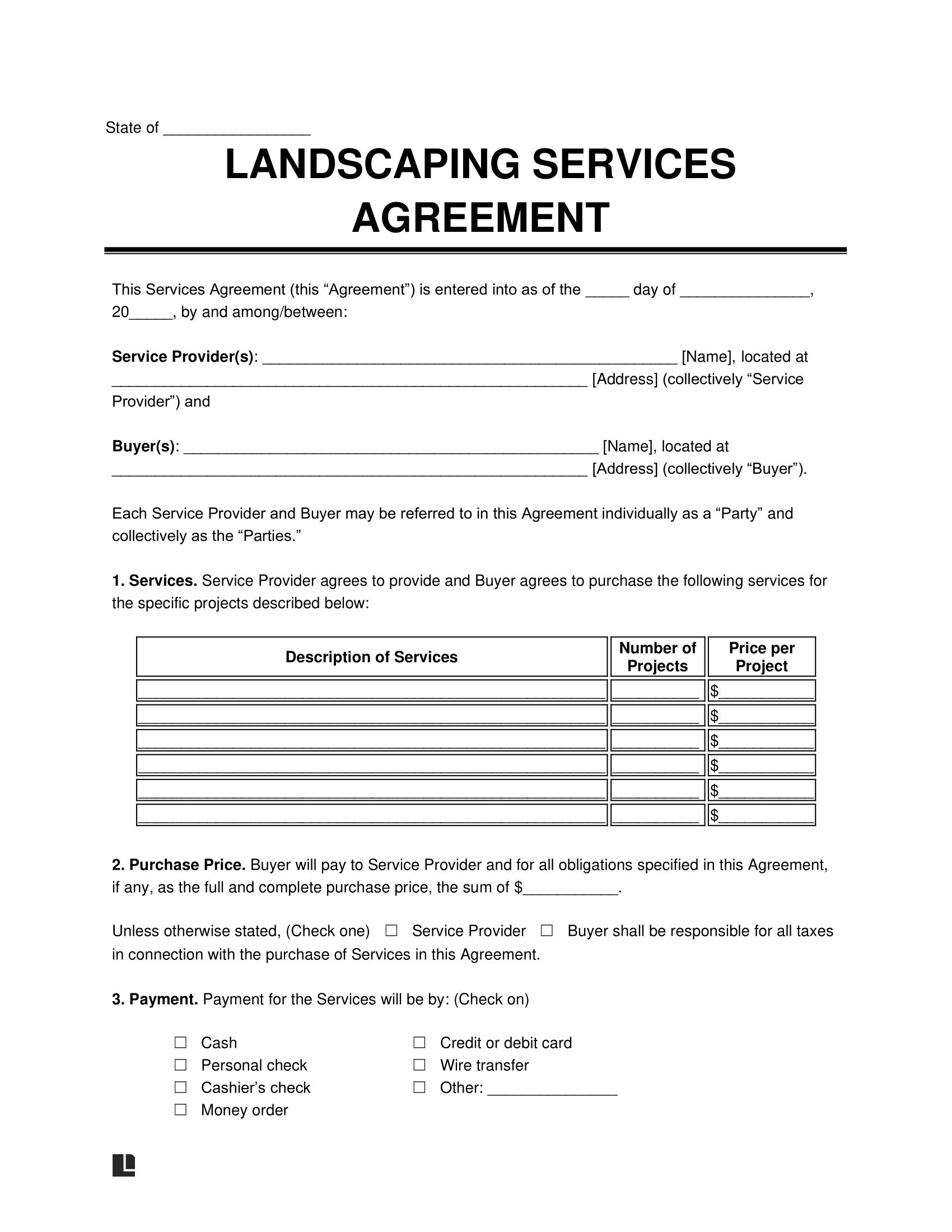
This article will walk you through the critical components that make up an effective contract, highlight why customization is key, and help you understand how to leverage a template to safeguard your interests and ensure the beauty and health of commercial landscapes are consistently maintained.
Key Elements of a Solid Commercial Landscape Maintenance Agreement
When you’re preparing to enter into a commercial landscape maintenance agreement, whether you are the service provider or the property owner, understanding its core components is vital. Each section serves a specific purpose, designed to clarify expectations and protect the interests of all parties involved. A comprehensive agreement leaves little to chance, ensuring a smooth and professional working relationship for the long term.
Scope of Work
Perhaps the most crucial section, the scope of work details exactly what services will be provided. This should be incredibly specific. It covers everything from the frequency of mowing, edging, and blowing, to pruning schedules for shrubs and trees, irrigation system checks, fertilization programs, and pest management. Don’t forget seasonal clean-ups, leaf removal, and even special projects like mulching or flower bed installations. The more detail, the less room for interpretation or disagreement later.
Payment Terms
This section outlines the financial aspects of the agreement. It should clearly state the total cost of services, the payment schedule (e.g., monthly, quarterly, annually), accepted payment methods, and any late payment penalties or discounts for early payment. Also, consider including details about any required deposits and how changes to the scope of work might affect the overall cost, ensuring transparency on both sides.
Term and Termination
The duration of the contract needs to be specified. Is it a one-year agreement with automatic renewal, a multi-year commitment, or a month-to-month arrangement? Equally important are the conditions under which either party can terminate the contract early. This typically includes a notice period (e.g., 30 or 60 days) and justifiable reasons for termination, such as breach of contract, non-payment, or unsatisfactory performance.
Insurance and Liability
Commercial landscape maintenance involves equipment, chemicals, and physical labor, which carry inherent risks. This section should clearly state the insurance requirements for the service provider, including general liability, workers’ compensation, and vehicle insurance. It also defines who is responsible in the event of property damage, injury to employees, or accidents involving third parties, providing critical protection for everyone.
Dispute Resolution
Despite the best intentions, disputes can sometimes arise. A good contract includes a clause outlining the process for resolving disagreements. This might start with direct negotiation, escalate to mediation, or even involve binding arbitration, rather than immediately resorting to costly litigation. Having this framework in place can save time, money, and preserve the professional relationship.
Compliance and Standards
It’s wise to include clauses that ensure compliance with local, state, and federal regulations, particularly concerning environmental protection, waste disposal, and safety standards. This also covers the quality standards expected for the work performed, ensuring that the landscape always meets the agreed-upon aesthetic and maintenance benchmarks.
Customizing Your Template for Success
While a commercial landscape maintenance contract template provides an excellent starting point, remember that no two commercial properties are exactly alike. What works for a sprawling corporate campus might not suit a retail strip mall or a multi-family housing complex. Therefore, the key to truly effective agreements lies in thorough customization. Tailoring the template ensures that the contract accurately reflects the unique needs of the property and the specific services to be rendered, avoiding generic clauses that might not apply or, worse, leave critical gaps.
Consider the specifics of the site, such as its size, the types of plantings present, the local climate, and any unique architectural features that require special attention. These details directly influence the scope of work, the frequency of services, and the cost. For instance, a property with extensive flower beds will require different maintenance tasks and schedules than one primarily composed of turf and mature trees. Similarly, a site prone to extreme weather conditions might need specific clauses for storm damage cleanup or winterization.
By taking the time to personalize each section, you ensure that the final document is a precise and powerful tool. Here are some areas that often require careful customization:
- Detailed site map or blueprint referenced as an exhibit
- Specific types of plants, trees, and shrubs on the property
- Exact frequency of each service (e.g., weekly mowing, bi-weekly weeding, quarterly fertilization)
- Inclusion or exclusion of seasonal services like snow removal or holiday lighting
- Specific protocols for pest control, using particular products or methods
- Emergency contact information and procedures for urgent landscape issues
- Reporting requirements, such as monthly progress reports or photos
- Specific quality standards or inspection protocols tailored to the property owner’s expectations
A meticulously crafted contract fosters strong relationships by setting clear, realistic expectations from the outset. It removes ambiguity, ensuring that both the property manager and the landscape service provider understand their obligations and the desired outcomes. This dedication to clarity ultimately leads to a more efficient operation, fewer disputes, and a consistently well-maintained commercial landscape that reflects positively on everyone involved.
By leveraging a comprehensive template as a foundation and then meticulously adapting it to the specific demands of each project, you create a robust legal framework that supports long-term success. This thoughtful approach protects investments, enhances property value, and ensures that the outdoor spaces remain vibrant and welcoming for employees, tenants, and visitors alike.