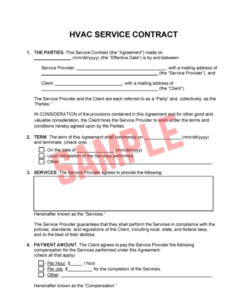
Keeping your home or business cool and comfortable is a top priority, especially when the weather heats up. A reliable air conditioning system isn’t just a luxury; it’s often a necessity for health and productivity. To ensure your system runs smoothly year after year, many people turn to regular maintenance and service agreements. This is where an effective air conditioning service contract template becomes invaluable, providing a clear framework for the relationship between you and your HVAC service provider, ensuring all parties know what to expect.
Investing in your AC system’s longevity through a service contract isn’t just about preventing breakdowns; it’s about peace of mind. Regular maintenance can significantly extend the lifespan of your unit, improve its energy efficiency, and catch minor issues before they escalate into costly emergencies. Imagine avoiding a sweltering summer day without air conditioning because a small, unnoticed problem turned into a major repair. A well-structured service agreement aims to prevent exactly that.
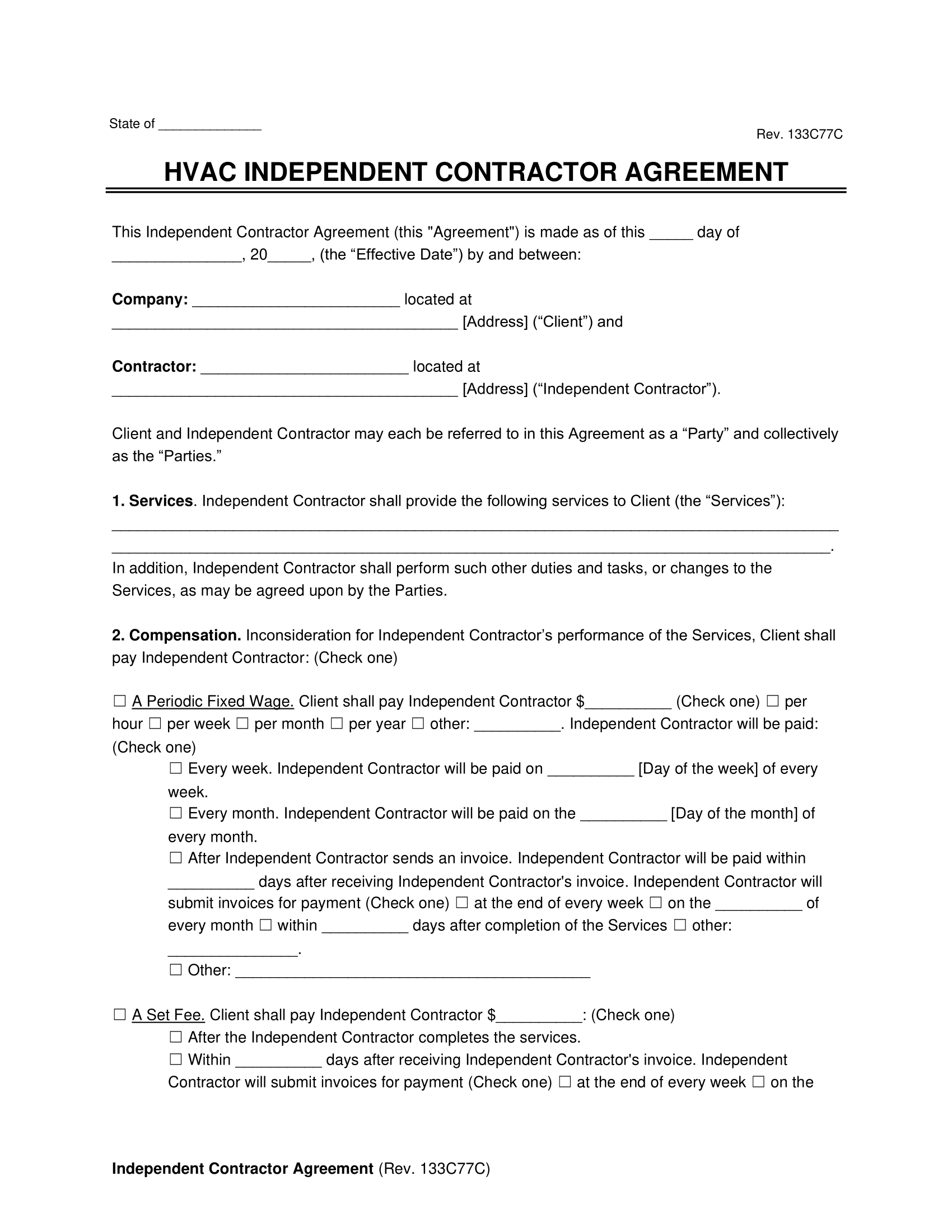
Whether you are an HVAC business looking to formalize your service offerings or a property owner seeking to understand what a good agreement should cover, understanding the components of such a template is key. This article will guide you through the essential elements, benefits, and considerations for an air conditioning service contract, helping you ensure your cooling system remains in optimal condition for years to come.
The Essential Elements of a Robust AC Service Contract
A comprehensive air conditioning service contract is more than just a piece of paper; it is a binding agreement that protects both the service provider and the client. It outlines responsibilities, expectations, and the scope of work, minimizing misunderstandings and ensuring a smooth relationship. Without a clearly defined contract, either party could face unexpected costs or dissatisfaction.
When drafting or reviewing an AC service contract, you want to make sure it covers all bases. This includes identifying the parties involved, clearly stating the effective dates, and detailing the specific services to be performed. Vague language can lead to disputes, so precision is paramount in every section of the agreement.
Service Schedule and Scope
One of the most critical sections specifies exactly what services will be provided and how often. Typically, this involves routine preventative maintenance, such as seasonal tune-ups before summer and winter. The contract should list all tasks included in these visits, such as cleaning coils, checking refrigerant levels, inspecting electrical components, lubricating moving parts, and verifying thermostat accuracy. It should also clarify what is *not* included, for instance, major repairs or parts replacement, unless specified.
Payment Terms and Duration
This section will detail the cost of the service contract, whether it’s a one-time payment, monthly installments, or annual billing. It should also outline acceptable payment methods and any penalties for late payments. Furthermore, the contract duration is crucial. Is it a one-year agreement, a multi-year commitment, or a rolling monthly service? It should also address renewal procedures, whether it’s automatic or requires active consent from both parties.
Warranty and Liability
A good contract will clearly define the warranty terms for any parts or labor provided under the agreement. What happens if a serviced component fails shortly after maintenance? Who is liable for damage caused during service? These are important questions that should have clear answers in the document to protect both the client and the service provider from unforeseen issues.
Cancellation and Termination Clauses
Life happens, and sometimes contracts need to be terminated prematurely. This clause should outline the conditions under which either party can cancel the agreement, any required notice periods, and potential fees or refunds associated with early termination. It brings transparency to the process and manages expectations if the relationship needs to end.
Dispute Resolution
In the unfortunate event of a disagreement, a well-drafted contract will include a section on how disputes will be resolved. This could involve mediation, arbitration, or specific legal recourse. Having a clear path for conflict resolution can save significant time, money, and stress for everyone involved.
Force Majeure
This often-overlooked clause protects both parties from unforeseen circumstances beyond their reasonable control, such as natural disasters, epidemics, or acts of government, which might prevent the fulfillment of the contract terms. It outlines how such events affect the agreement, including potential suspensions or extensions of service.
Ensuring all these elements are thoroughly addressed provides a solid foundation for a long and trouble-free relationship between property owner and AC service provider. It leaves little room for ambiguity, fostering trust and reliability.
Why Every Property Owner Needs an AC Service Agreement
Having a dedicated service agreement for your air conditioning system is not just about fixing things when they break; it’s a proactive approach to maintaining a comfortable indoor environment and protecting a significant investment. Think of it as health insurance for your HVAC system, designed to keep it running optimally and extend its operational life.
One of the primary advantages is the considerable cost savings over time. While there’s an upfront cost for the contract, regular maintenance helps prevent major breakdowns that are far more expensive to repair. It also ensures your unit operates at peak efficiency, which translates directly into lower energy bills throughout the year. Catching small issues like a dirty filter or a loose wire before they cause system failure saves money and discomfort.
Moreover, a service agreement often comes with added perks that provide immense value. You typically get priority service during peak seasons, meaning if your AC does break down on the hottest day of the year, you will be at the front of the line for repairs. Many contracts also offer discounts on parts and labor for any necessary repairs outside the scope of routine maintenance, further enhancing their financial benefit.
- Priority scheduling for service and repairs
- Discounted rates on parts and labor for unexpected issues
- Improved energy efficiency leading to lower utility bills
- Extended lifespan of the air conditioning unit
- Enhanced indoor air quality through regular cleaning and inspection
Ultimately, an AC service agreement offers unparalleled convenience and expertise. You won’t have to remember to schedule maintenance or worry about finding a reputable technician; it’s all handled. You gain access to certified professionals who are familiar with your specific system and can provide expert care, ensuring your comfort system is always in the best hands.
Maintaining your air conditioning system through a clear and concise service agreement is a smart decision for any property owner. It safeguards your comfort, protects your investment, and provides a clear understanding of the services you will receive. An effective air conditioning service contract template serves as the cornerstone for a hassle-free and efficient cooling experience for years to come.