Navigating the world of freelance logo design can be incredibly rewarding, but it also comes with its fair share of challenges. One of the most crucial tools you can have in your arsenal is a solid freelance logo design contract template. This isn’t just a fancy piece of paper; it’s your professional shield, ensuring that both you and your clients are on the same page, protecting your creative efforts, and securing your well-deserved payment. It’s about building trust and clarity from the very first handshake, or rather, the first signed document.
Without a clear agreement in place, designers often find themselves grappling with frustrating issues like “scope creep,” where project requirements continuously expand without additional compensation. You might face delays in payment, misunderstandings about revision rounds, or even disputes over who owns the final artwork. These headaches not only eat into your valuable time and energy but can also damage your reputation and enthusiasm for your craft.
That’s why understanding and utilizing an effective contract is so vital. It transforms potential pitfalls into clear pathways, outlining every aspect of the project from start to finish. This article will guide you through the essentials of what makes a robust freelance logo design contract, helping you to foster smoother projects, happier clients, and a more secure freelance career.
Why Every Freelance Logo Designer Needs a Solid Contract
A well-drafted contract serves as the backbone of any successful freelance design project, acting as a clear blueprint for both the designer and the client. It’s not merely a formality; it’s a commitment device that outlines responsibilities, expectations, and outcomes. By establishing these parameters upfront, you significantly reduce the chances of miscommunication, which is often the root cause of client dissatisfaction and project delays. A professional contract reflects your seriousness as a business owner and helps set a respectful tone for the entire working relationship.
Defining the Project Scope and Deliverables
One of the most common challenges in creative freelancing is the ever-expanding scope of a project. What started as “just a logo” can quickly balloon into requests for business cards, social media assets, and various other brand elements, all without an agreed-upon adjustment to the fee or timeline. A contract precisely defines what services you will provide, the specific deliverables (e.g., logo files in certain formats), and any excluded services. This clarity prevents scope creep, ensuring you are compensated fairly for every piece of work you produce and allows you to confidently say no to extra requests that fall outside the initial agreement without damaging the relationship.
Establishing Clear Payment Terms
Financial misunderstandings can strain even the best client relationships. Your contract should explicitly detail your payment schedule, including any upfront deposits, milestone payments, and the final balance. It should also specify payment methods, due dates, and, crucially, any late payment fees or interest. This transparency ensures that clients understand their financial obligations from the outset, minimizing payment disputes and helping you maintain a steady cash flow. It also protects you if a client fails to pay, providing a legal basis to pursue the outstanding amount.
Safeguarding Your Creative Ownership
Intellectual property rights are paramount for a logo designer. Your contract must clearly state who owns the copyright to the design at various stages of the project. Typically, designers retain copyright until final payment is received and then transfer usage rights or full ownership to the client. Defining these terms is critical to prevent clients from using preliminary designs without permission or altering your work in ways you didn’t approve. It also protects your ability to showcase the work in your portfolio, even after transfer of ownership.
Moreover, a comprehensive contract outlines the revision process, specifying the number of revision rounds included in the initial fee and the cost for additional rounds. This prevents endless cycles of changes and helps move the project forward efficiently. It also addresses issues like client feedback timelines, ensuring that you’re not left waiting indefinitely for approval, which can severely impact your project schedule.
Finally, a well-crafted contract includes clauses for dispute resolution, confidentiality, and project termination. These elements provide a clear roadmap for handling unforeseen circumstances, protecting sensitive information, and determining what happens if either party needs to end the agreement prematurely. Having these contingencies in place offers peace of mind and a professional framework for handling difficult situations should they arise.
Key Elements to Include in Your Freelance Logo Design Contract
When you’re preparing to sign a new client, having a robust freelance logo design contract template ready to go is invaluable. But what exactly should that template include to make it effective? Beyond the obvious names and dates, a strong contract meticulously details the specific terms that govern your project, ensuring both parties understand their roles and responsibilities. It’s about building a foundation of mutual understanding that minimizes ambiguity and maximizes project success.
Here are some essential components every good contract should feature:
* Client and Designer Information
* Project Scope and Deliverables
* Payment Schedule and Terms
* Intellectual Property Rights
* Revision Process
* Termination Clause
* Confidentiality Agreement
* Force Majeure Clause
* Governing Law and Dispute Resolution
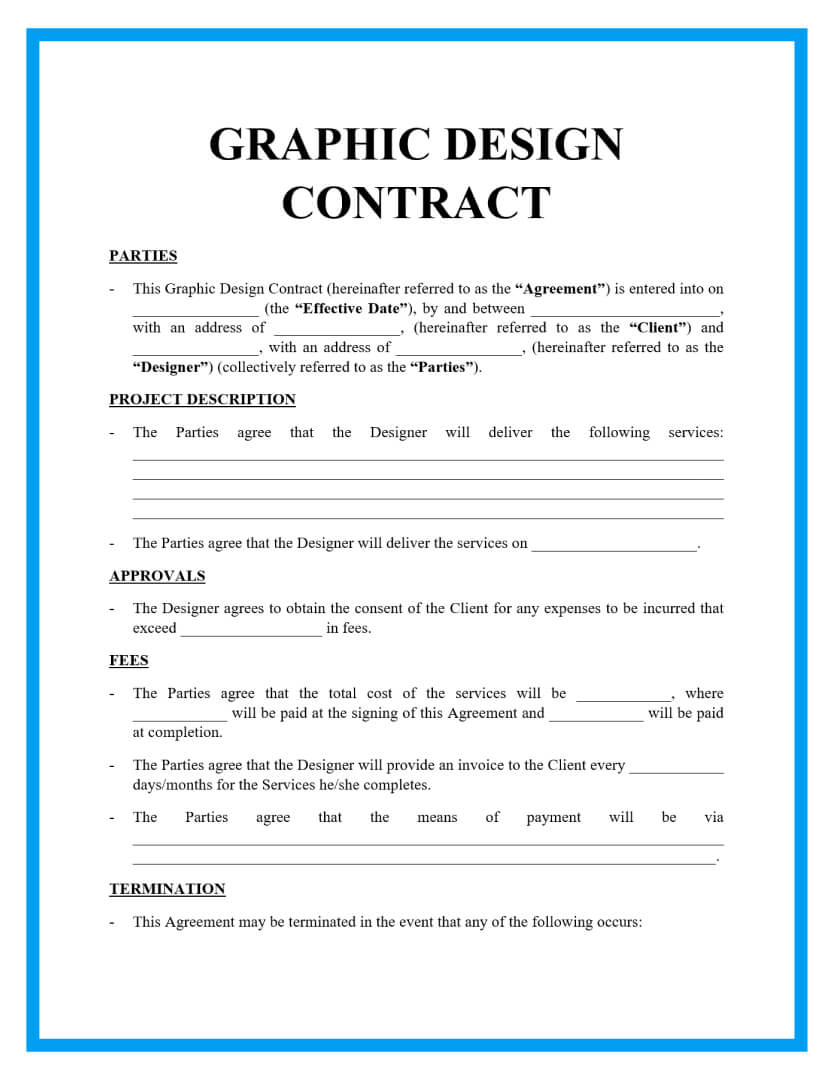
Each of these points serves a crucial purpose. For instance, the “Project Scope and Deliverables” section should break down exactly what you’re designing, how many concepts you’ll provide, the number of revisions included, and the file formats the client will receive. This leaves no room for assumptions about what is or isn’t part of the initial agreement. Similarly, the “Payment Schedule and Terms” should not only list the total fee but also specify deposit amounts, payment deadlines, acceptable payment methods, and what happens if payments are late. Clarity in these areas prevents future friction and ensures you are compensated fairly and promptly for your hard work.
Another vital part is the “Intellectual Property Rights” clause, which defines when and how the ownership of the logo transfers from you to the client. This typically happens upon final payment, and the contract should specify what rights are transferred (e.g., full ownership, exclusive license) and any rights you retain (e.g., for portfolio use). A “Termination Clause” is also critical, outlining the conditions under which either party can end the agreement and what financial implications that might have. Customizing these elements to fit the specific project and your business practices is key to a truly effective contract.
Embracing a professional approach to client agreements, especially by using a well-structured contract, is a game-changer for any freelance logo designer. It’s a tool that not only protects your interests but also fosters transparency and trust, laying the groundwork for positive and productive collaborations. By clearly outlining expectations and responsibilities from the outset, you empower yourself to focus on what you do best: creating stunning logos that help businesses thrive, without the constant worry of unforeseen disputes or unpaid invoices. Investing time in crafting or customizing a solid contract is an investment in your peace of mind and the sustainable growth of your design business.