Embarking on a custom software development project is an exciting venture, promising innovation and tailored solutions for specific business needs. However, the path to successful execution is often paved with intricate details, expectations, and potential misunderstandings if not properly managed. This is precisely why having a robust custom software development contract template isn’t just a good idea; it’s an absolute necessity. It serves as the bedrock of your collaboration, outlining responsibilities, deliverables, and protections for both parties involved, ensuring a smoother journey from concept to deployment.
Developing software, by its very nature, is a dynamic process. Requirements can evolve, technical challenges may emerge, and timelines can shift. Without a clear, legally binding agreement, these changes can quickly lead to disputes, project delays, cost overruns, and ultimately, a breakdown in trust. A well-drafted contract preemptively addresses these scenarios, providing a framework for managing changes, resolving conflicts, and maintaining alignment between the client and the development team.
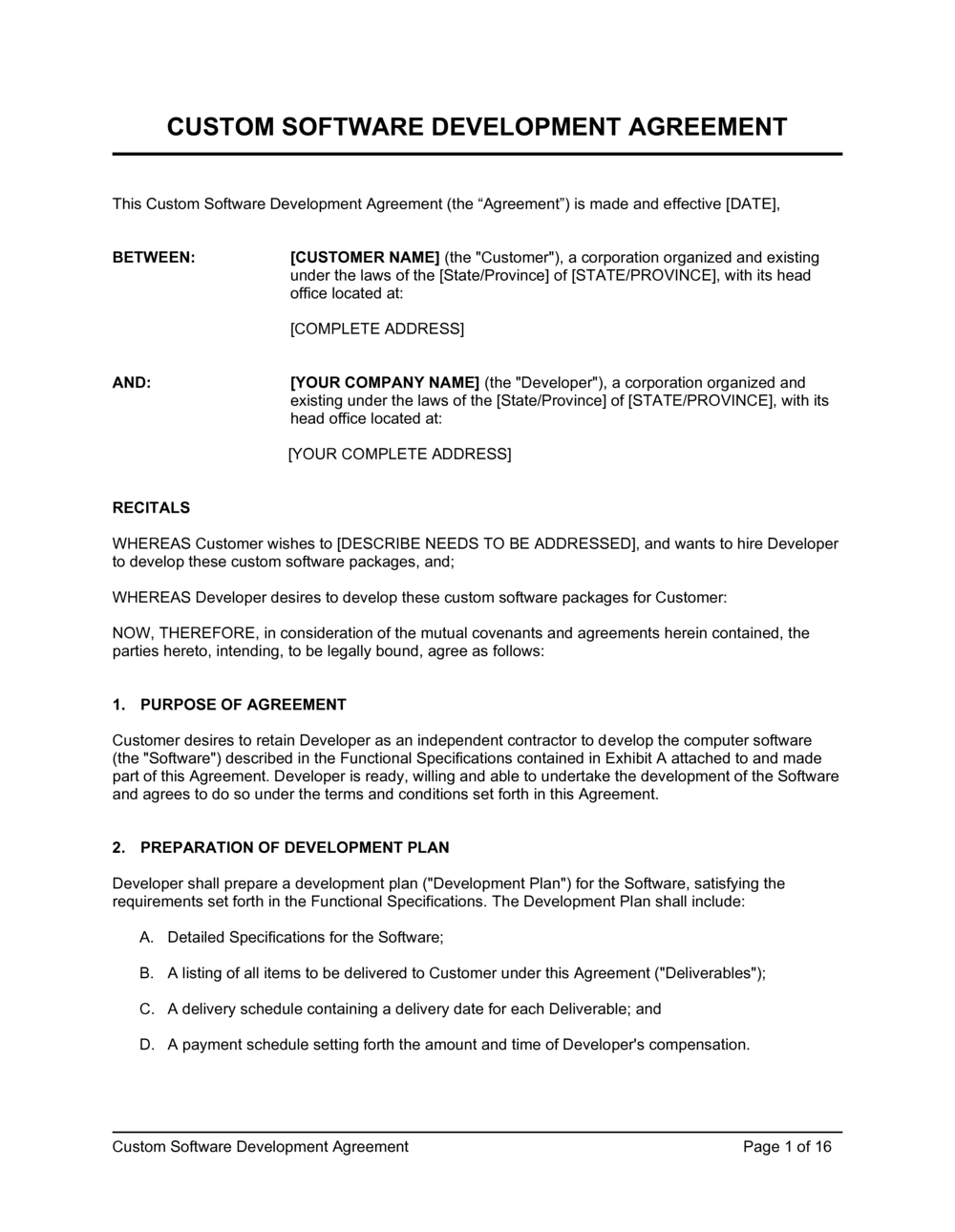
This article aims to demystify the essential components of such an agreement, guiding you through the critical clauses that should be included to safeguard your interests and foster a productive working relationship. Whether you’re a business commissioning custom software or a developer offering your services, understanding these elements is crucial for setting clear expectations and achieving project success.
Navigating the Essential Clauses of a Software Development Agreement
A comprehensive software development contract is far more than just a piece of paper; it’s a strategic document that anticipates potential issues and provides solutions before they arise. It’s about creating transparency and mutual understanding, ensuring that all parties are on the same page regarding every aspect of the project. Diving into the specific clauses can help you appreciate the depth required to protect your investment and effort.
Defining the Scope of Work
At the heart of any custom software project is the “Scope of Work” (SOW). This section meticulously details exactly what software is being built, its core features, functionalities, and any specific technologies to be used. It should outline the deliverables expected at various stages, from wireframes and prototypes to the final deployed application. Ambiguity here is the root of many project failures, so strive for utmost clarity. Include specifications, user stories, and acceptance criteria to leave no room for misinterpretation.
Clear Payment Schedules and Milestones
Financial terms are undeniably crucial. This clause dictates the total cost of the project, whether it’s a fixed price, time and materials, or a hybrid model. More importantly, it specifies the payment schedule linked to project milestones. Breaking down payments ensures that the client only pays for work delivered and accepted, while the developer receives regular compensation, maintaining project momentum. Detail invoicing procedures, due dates, and any late payment penalties to avoid future friction.
Protecting Intellectual Property Rights
Who owns the code? This is a fundamental question addressed in the Intellectual Property (IP) clause. Typically, upon final payment, the client gains ownership of the custom software developed specifically for them. However, it’s vital to clarify what constitutes “custom” work versus pre-existing developer tools or open-source components. This section should explicitly state the assignment of copyrights, licenses, and any conditions for the use of third-party or open-source software within the project.
Ensuring Deliverables Meet Expectations
Defining “done” is often harder than it sounds. The Deliverables and Acceptance Criteria clause sets out how deliverables will be evaluated and approved. It specifies the testing phases, the client’s review period, and the process for formal acceptance or rejection. If a deliverable doesn’t meet the agreed-upon standards, this clause should also outline the remedies, such as requiring the developer to make necessary revisions within a specified timeframe.
Maintaining Confidentiality and Data Security
Custom software often deals with sensitive business data and proprietary information. A strong confidentiality clause, sometimes accompanied by a separate Non-Disclosure Agreement (NDA), ensures that both parties protect any confidential information shared during the project. It specifies what information is considered confidential, the duration of the obligation, and permissible uses of such information. Furthermore, this section should address data security measures, especially if the software will handle personal or regulated data.
Warranty, Maintenance, and Support
Post-launch support is a critical consideration. This clause defines the warranty period during which the developer is obligated to fix bugs or defects that emerge after the software goes live, free of charge. Beyond the warranty, it outlines options for ongoing maintenance and support services, including response times, service level agreements (SLAs), and associated costs. This ensures the software remains functional, secure, and up-to-date.
Resolving Disputes and Termination Clauses
Even with the best intentions, disputes can arise. This section provides a clear path for conflict resolution, often starting with mediation or arbitration before escalating to legal action. It also specifies the conditions under which either party can terminate the agreement, such as breach of contract, insolvency, or mutual consent, and outlines the financial and ownership implications of such termination. Defining the governing law and jurisdiction is also essential here.
Beyond the Template: Customization and Legal Review
While a custom software development contract template offers an excellent starting point, it’s crucial to understand that it is just that—a template. Each software project is unique, with its own specific requirements, risks, and client-developer dynamics. Relying solely on a generic document without tailoring it to your particular circumstances can leave significant gaps and expose you to unforeseen liabilities.
True value comes from customizing the template to reflect the exact nature of your agreement. This involves meticulously reviewing every clause and adjusting it to match the project’s scope, timelines, payment structure, intellectual property arrangements, and specific performance metrics. Consider the technical stack, the complexity of integrations, the regulatory environment your software will operate within, and the precise expectations of both the client and the development team. A checklist or detailed discussions can help ensure all unique aspects are incorporated.
- Specific project requirements, including unique features, integrations, or technological constraints.
- The agreed-upon project methodology, whether Agile, Waterfall, or a hybrid approach.
- Client and developer expectations regarding communication frequency, reporting, and change management.
- Jurisdiction-specific legal nuances that might impact clauses related to data privacy, consumer protection, or dispute resolution.
- Any special provisions for beta testing, user feedback, or phased rollouts of the software.
Finally, and perhaps most importantly, always have your customized contract reviewed by a legal professional specializing in technology law. A lawyer can identify any potential pitfalls, ensure compliance with relevant laws, and strengthen the agreement to provide maximum protection for your interests. Their expertise is invaluable in transforming a good template into a robust, legally sound document that minimizes risks and fosters a successful project outcome.
A well-drafted and thoughtfully customized software development contract is more than a formality; it’s a foundational element for project success. It instills confidence, clarifies responsibilities, and provides a clear roadmap for handling challenges, ensuring that both parties can focus on what truly matters: delivering exceptional custom software.
Investing time in creating a comprehensive and legally sound agreement upfront pays dividends throughout the project lifecycle, minimizing disputes and fostering an environment of trust and mutual understanding. This proactive approach strengthens working relationships and ultimately contributes to the successful realization of your software development goals.