Navigating the world of horse ownership and sales can sometimes feel like a wild ride, with many details to consider beyond just the horse itself. One crucial element that often comes into play, especially when a beloved equine changes hands, is the “first right of refusal.” Understanding and correctly implementing a first right of refusal horse contract template can provide peace of mind for both the seller and the buyer, ensuring that the horse’s future is considered even after the sale.
Essentially, a first right of refusal (FROR) clause gives the original seller the option to purchase the horse back if the current owner decides to sell it to a third party. It’s a protective measure, a safety net that allows someone who deeply cares for a horse to have a chance to reacquire it, often before it goes to a new, unknown home. This clause is a testament to the bond between horse and human, acknowledging that sometimes, past connections run deep.
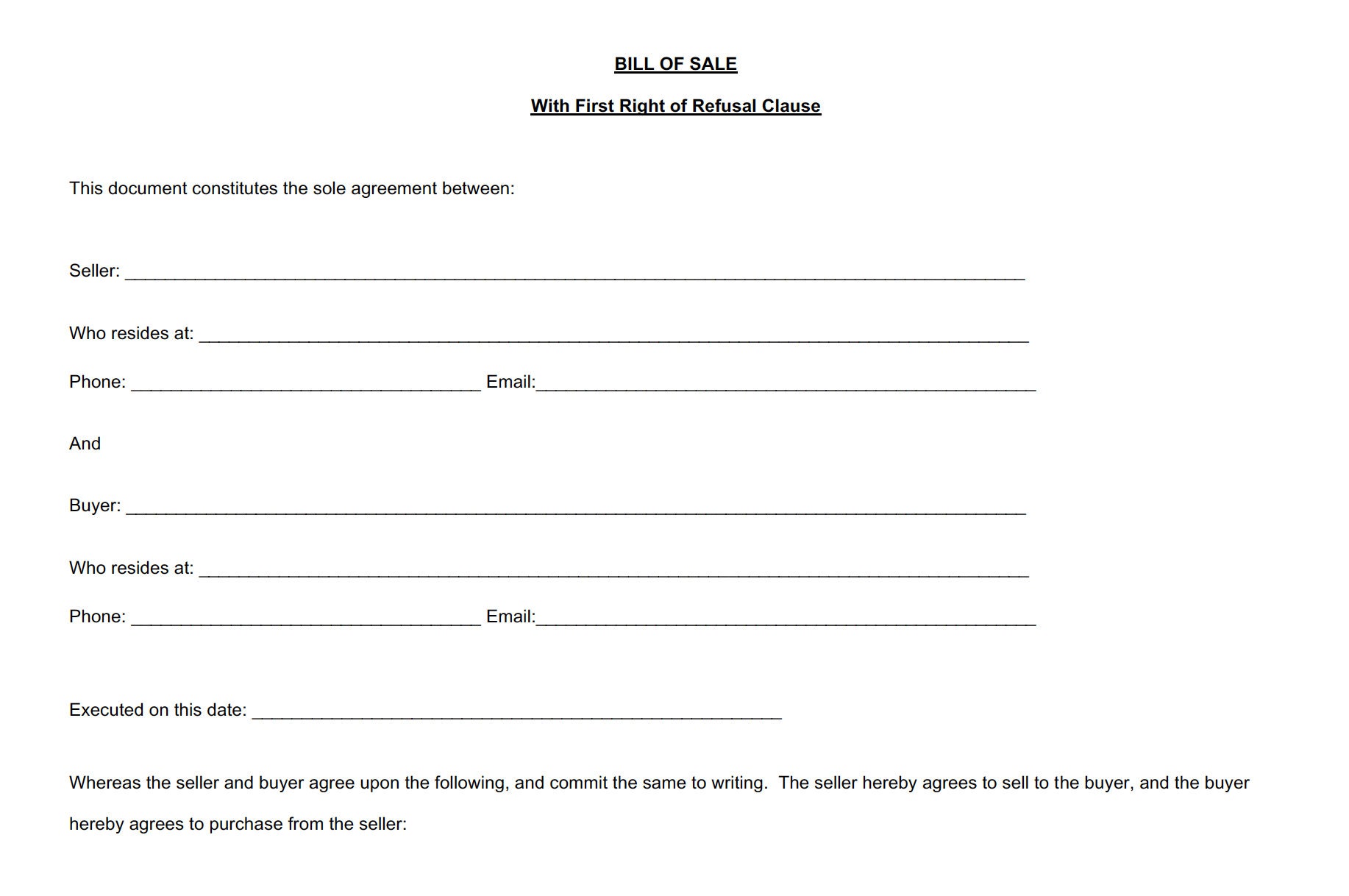
This contractual agreement isn’t just about sentimentality; it offers significant practical benefits. For the seller, it means they have some control over their former horse’s destiny, preventing it from potentially ending up in an undesirable situation. For the buyer, it can make the initial sale smoother, as the seller feels more comfortable letting go, knowing there’s a safety mechanism in place. It’s a win-win when drafted correctly, outlining clear terms for a potential future transaction.
Understanding the Core Components of a First Right of Refusal Clause
When you’re dealing with such an important asset as a horse, precision in your contracts is paramount. A first right of refusal clause isn’t just a casual agreement; it’s a legally binding provision that needs careful thought and clear language to be effective. Without a well-defined clause, both parties could find themselves in a challenging situation, potentially leading to misunderstandings or even legal disputes down the road.
At its heart, the first right of refusal dictates that if the current owner (the buyer in the original transaction) decides to sell the horse to a new individual, the original seller must be given the opportunity to purchase the horse first. This isn’t an obligation for the original seller to buy, but merely an option they can choose to exercise. The crucial part is defining when and how this option comes into play.
The “trigger event” for the FROR is usually the current owner’s genuine intent to sell the horse. This intent must typically be accompanied by a bona fide offer from a third-party buyer. It’s not enough for the current owner to simply consider selling; they usually need to have a concrete offer on the table from an outside party, including the proposed purchase price and terms of sale, which the original seller would then have the option to match.
Defining what constitutes a “bona fide offer” is critical. It should be a legitimate, arms-length offer from an unrelated third party, not a hypothetical figure or a friend’s casual interest. The contract should specify that the original seller must be notified in writing of this offer, including all material terms like the price, payment schedule, and any other relevant conditions. This transparency ensures fairness to all involved.
Once notified, the original seller must be given a specific, reasonable timeframe within which to decide whether to exercise their right. This period needs to be clearly stated in the contract – for example, “within 10 business days of receiving written notification.” If the original seller fails to respond within this window, or explicitly declines the offer, their first right of refusal typically expires for that particular sale, allowing the current owner to proceed with the third-party buyer under the same terms.
Furthermore, the terms under which the original seller can re-purchase the horse must precisely match the third-party offer. This means if the third party is offering a certain price, and specific conditions such as “horse to be picked up within three days,” the original seller must be prepared to meet those exact conditions. The FROR isn’t a chance for the original seller to negotiate a better deal; it’s the right to step into the shoes of the third-party buyer.
Key Considerations for Both Parties
For the current owner looking to sell, a clear FROR clause prevents complications. They need to understand their obligations, such as proper notification and waiting for the original seller’s response, before finalizing a sale with someone else. This protects them from potential breach of contract claims. For the original owner, while it offers a valuable safety net, it also requires them to be financially prepared and responsive should the opportunity to buy their horse back arise.
Crafting Your Own First Right of Refusal Horse Contract Template
Developing a strong first right of refusal horse contract template requires attention to detail and a clear understanding of your specific needs. While templates can provide an excellent starting point, remember that every horse and every sale is unique. It’s about adapting general principles to your particular circumstances to create an ironclad agreement.
Begin by identifying all parties involved and the horse itself with complete accuracy. This includes full names, addresses, and contact information for both the original seller and the initial buyer, along with the horse’s registered name, barn name, registration number, breed, age, sex, and any distinguishing marks. The more detail, the better, to prevent any confusion about the subject of the contract.
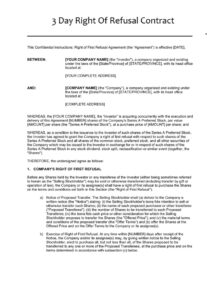
The core of your template will be the actual FROR clause. Be explicit about what triggers this right, such as “the current owner’s genuine intent to sell the horse to a third party.” Outline the notification process, including the requirement for written notice, the method of delivery (e.g., certified mail, email with read receipt), and what information must be included in that notice (e.g., the third-party offer, price, and terms). Specify the exact timeframe the original seller has to exercise their right, and what happens if they fail to do so.
A comprehensive template should include:
* Identification of all parties and the specific horse involved.
* A clear statement of the first right of refusal and its purpose.
* The precise trigger event for the FROR.
* Detailed procedures for written notification of a third-party offer.
* The exact timeframe for the original seller to respond and exercise their right.
* A stipulation that the original seller must match the third-party offer’s price and terms.
* A clause addressing what happens if the FROR is not exercised (e.g., current owner can sell to the third party).
* Provisions for dispute resolution, should any disagreements arise.
* Spaces for signatures of all parties and the date of agreement.
Finally, while a template is helpful, it is always wise to consult with an attorney experienced in equine law. They can review your specific first right of refusal horse contract template, ensure it complies with local laws, and tailor it to your unique situation, providing legal soundness and protection for all parties involved. This professional guidance is an invaluable investment in safeguarding your interests and the horse’s future.
Implementing a well-drafted first right of refusal clause in your horse contract offers a significant layer of protection and comfort for everyone invested in the horse’s welfare. It’s a testament to responsible ownership and a proactive step towards ensuring your equine companion continues to thrive, even if their path leads them to new hands.
By taking the time to understand and properly prepare this crucial document, you contribute to a more secure future for the horse and create clear expectations between parties. This careful planning avoids potential future disagreements and supports the ongoing bond we share with these magnificent animals.