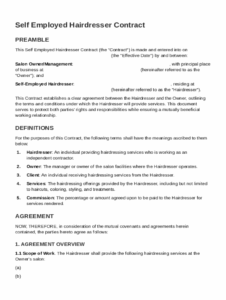
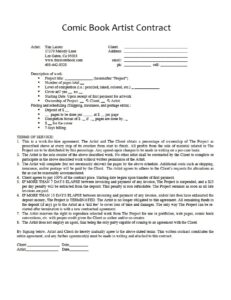
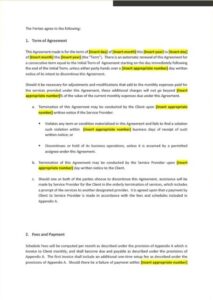
So, you’re a talented freelance graphic designer, creating amazing visuals and bringing client visions to life. That’s fantastic! But let’s be honest, the creative part is only one piece of the puzzle. The business side, especially securing your work and ensuring fair play, often gets overlooked. This is precisely why having a reliable freelance graphic designer contract template is not just a nice-to-have, but an absolute essential tool in your professional arsenal.
Without a clear agreement, you’re essentially operating on a handshake and good intentions. While most clients are wonderful to work with, misunderstandings can arise. What seemed obvious to you might not be to them, leading to scope creep, payment delays, or disagreements over revisions. Imagine putting in hours of work only to find the client has changed their mind, or worse, disputes payment.
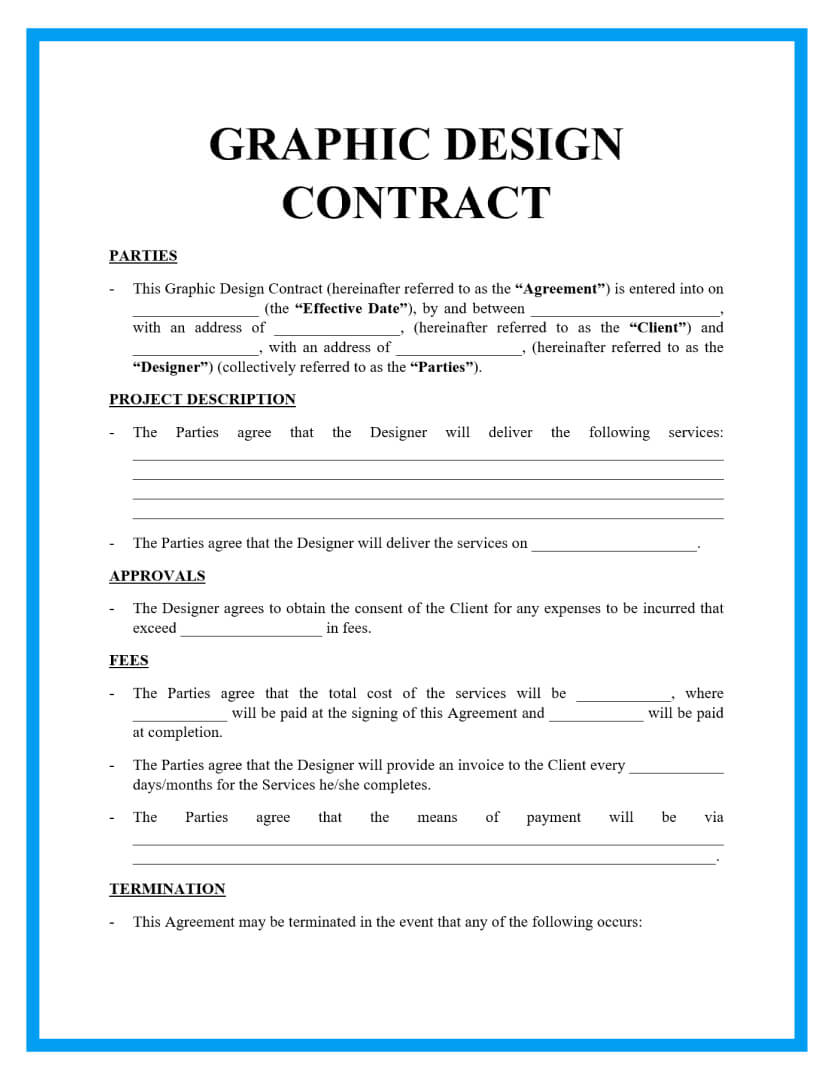
A well-drafted contract doesn’t just protect you; it sets a professional tone from the outset. It clarifies expectations for both parties, streamlines the project workflow, and provides a legal framework should any issues arise. Think of it as your safety net, allowing you to focus on what you do best: designing incredible graphics, knowing your hard work is safeguarded.
Why a Solid Contract is Your Best Friend
Diving into freelance work is exhilarating, but it also comes with its unique set of challenges. One of the biggest hurdles many designers face is managing client expectations and protecting their own interests. This is where a robust contract becomes an indispensable part of your toolkit. It acts as a shield, preventing miscommunications from escalating into disputes and ensuring that your creative energy is spent on design, not on chasing payments or resolving arguments.
A good contract provides crystal-clear definitions for every aspect of your project. It outlines the specific services you will provide, the deliverables the client can expect, and the timeline for completion. This preemptively tackles scope creep, a common issue where projects grow beyond their initial agreed-upon boundaries without additional compensation. When everything is documented, you have a solid reference point to politely remind clients of the initial agreement if extra requests start piling up.
Beyond preventing issues, a contract fosters a sense of trust and professionalism. When you present a well-structured agreement, it communicates that you are serious about your business and value clarity and mutual respect. This professionalism reflects positively on your brand and often attracts more reliable and respectful clients who appreciate a structured approach to creative partnerships.
Ensuring Fair Compensation and Project Control
Perhaps one of the most critical functions of any contract is to secure your payment. It clearly states your fees, payment schedule, and terms for late payments. This takes the awkwardness out of discussing money and provides a legal basis to pursue payment if it becomes overdue. No more worrying about clients disappearing after receiving their final files without settling the invoice.
Furthermore, a contract dictates the revision process. How many rounds of revisions are included in the initial fee? What constitutes an additional revision, and what will it cost? Answering these questions upfront saves you from endless back-and-forth edits that were never part of the original scope. It ensures you are compensated for every minute of your valuable time and skill.
Finally, a contract addresses intellectual property rights. Who owns the design files once the project is complete and paid for? Typically, upon full payment, the client gains usage rights, but you might retain certain rights to display the work in your portfolio. Clarifying this avoids potential disputes over ownership and future use of your creative work. It truly is the backbone of a successful freelance career.
Crafting Your Ideal Contract: What to Include
When you’re customizing or creating your freelance graphic designer contract template, think of it as building a robust framework for every project. It needs to be comprehensive enough to cover all potential scenarios, yet clear and easy to understand for both you and your client. This document serves as a roadmap for your collaboration, ensuring that everyone is on the same page from the very beginning.
Start with the basics: contact information for both parties, the project title, and the effective date. Then, move into the nitty-gritty details that truly define the scope of work. Be as specific as possible about the services you will provide, listing out deliverables like logo files, brand guidelines, website mockups, or print-ready files. The more detail you include here, the less room there is for misinterpretation later on.
Don’t forget to clearly outline the project timeline, including key milestones and deadlines. This helps manage client expectations and keeps the project moving forward efficiently. And crucially, address the financial aspects: your total fee, payment schedule (e.g., 50% upfront, 50% upon completion), acceptable payment methods, and any late payment penalties. Also consider including clauses for project termination, confidentiality, and what happens if the project scope changes.
- Project Scope and Deliverables: Clearly define what will be created and provided.
- Timeline and Milestones: Set realistic deadlines for various stages of the project.
- Payment Terms: Specify fees, payment schedule, and late payment policies.
- Revision Policy: Detail the number of included revisions and cost for additional changes.
- Intellectual Property: Clarify ownership of the design upon completion and payment.
- Termination Clause: Outline conditions under which either party can end the agreement.
- Confidentiality: Protect sensitive information exchanged during the project.
- Indemnification: Protect yourself from potential legal liabilities arising from the client’s use of your work.
Taking the time to put these essential elements into a formal agreement truly safeguards your creative business. It provides a sense of security and clarity that allows you to confidently pursue exciting new projects, knowing you have a strong foundation beneath you.
By utilizing a well-structured contract, you’re not just protecting your finances and time; you’re also elevating your professional standing. It demonstrates diligence and a commitment to clear communication, traits that clients value highly. This forward-thinking approach will undoubtedly lead to smoother projects, happier clients, and a more sustainable freelance career for you.