Stepping into the world of private music instruction is an incredibly rewarding endeavor, but like any professional service, it comes with its own set of administrative necessities. One of the most crucial tools you can have in your teaching arsenal is a clear and comprehensive private music lesson contract template. This isn’t just about formality; it’s about establishing clear expectations, protecting your time and income, and fostering a professional relationship with your students and their families right from the start. A well-crafted agreement lays the groundwork for a smooth and enjoyable learning experience for everyone involved.
Without a written agreement, misunderstandings can easily arise. Imagine a situation where a student consistently cancels lessons last minute, or there’s confusion over payment due dates or holiday schedules. These small issues, when left unaddressed, can lead to frustration, lost income, and even damaged relationships. Having everything in writing helps prevent these common pitfalls, acting as a reference point for both parties should any questions or disagreements surface.
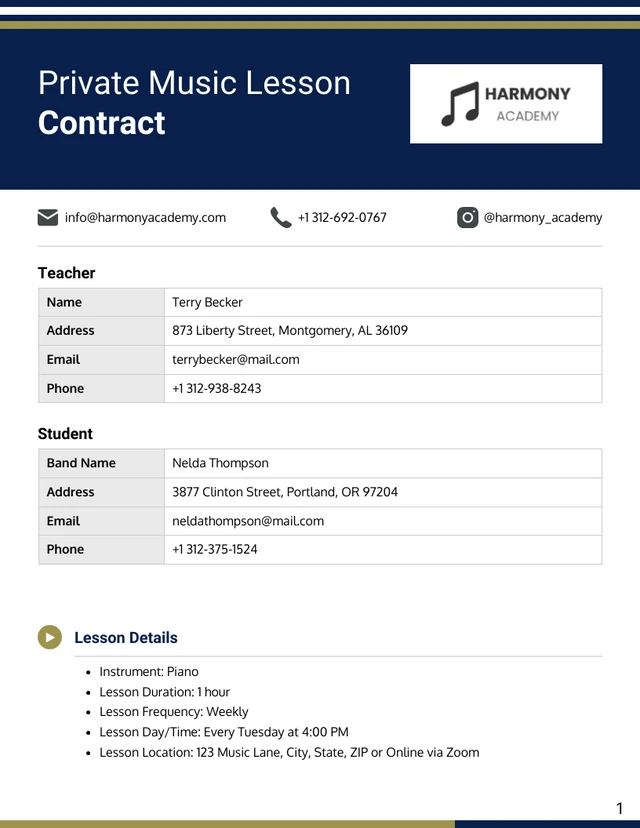
This article will guide you through the essential components of an effective music lesson contract. We will explore why each section is important and what details you should consider including to create a document that truly serves your needs as a dedicated music educator. By taking the time to put a solid contract in place, you are investing in the professionalism and longevity of your teaching practice.
Why Every Music Teacher Needs a Solid Agreement
Running a successful private music studio requires more than just excellent teaching skills; it demands a degree of business acumen. A robust agreement acts as the backbone of your business, establishing professional boundaries and ensuring that both you and your students (or their parents) understand their commitments. It minimizes ambiguity, allowing you to focus on what you do best teach music with passion and expertise. Think of it as your professional shield, safeguarding your efforts and ensuring fair treatment.
Protecting Your Time and Income
One of the most immediate benefits of a contract is financial clarity. Your time is valuable, and missed lessons without proper notice can significantly impact your earnings. A contract clearly outlines your payment structure, including lesson rates, payment due dates, and acceptable payment methods. Crucially, it defines your policy on late payments and establishes fees for cancellations or no-shows. This way, there are no surprises, and you are compensated fairly for the time you dedicate to your students, even if an unexpected event occurs on their end.
Beyond payments, the contract specifies your cancellation and make-up lesson policy. Should a student need to miss a lesson, knowing the procedure for rescheduling or whether a make-up lesson is even an option, and under what conditions, is vital. This section protects your schedule and prevents the common headache of last-minute cancellations leaving gaps in your day without remuneration. It also manages student expectations regarding their responsibility to attend scheduled lessons.
Setting Clear Expectations for Students and Parents
A well-defined contract sets the tone for the entire teaching relationship. It outlines student responsibilities, such as arriving on time, bringing necessary materials, and practicing regularly. While you might discuss these verbally, having them in writing reinforces their importance and provides a clear point of reference. This can also include details about parental involvement, especially for younger students, ensuring everyone understands their role in the learning process.
The agreement can also cover expectations regarding progress and communication. Perhaps you require parents to check practice logs or attend periodic progress meetings. By detailing these elements upfront, you foster a collaborative environment where students, parents, and teachers are all aligned on the path to musical growth. It helps create a shared understanding of what it takes to succeed in music lessons.
Addressing Unexpected Situations
Life is unpredictable, and sometimes unforeseen circumstances arise that might affect lessons. A comprehensive contract addresses these possibilities, from teacher illness or absence to student withdrawal from lessons. It includes clauses on how such situations will be handled, ensuring continuity and fairness for both parties. For example, it might stipulate how much notice is required for termination of lessons by either side and any associated financial implications.
Furthermore, a contract can include important disclaimers or liability waivers. While music lessons are generally safe, having a statement about the teacher not being responsible for accidents or injuries that occur during lessons (especially if teaching in your home or a shared space) can provide an added layer of protection. This foresight helps to mitigate potential legal or financial issues down the line.
Finally, the agreement serves as a professional document that reflects your commitment to your craft and your students. It communicates that you run your studio with professionalism and care, instilling confidence in those who choose to learn from you. This level of organization can set you apart and attract more serious students who value structure and clarity.
Key Components to Include in Your Template
When crafting your private music lesson contract, think about all the practical details that govern the day-to-day operation of your studio. The more thorough you are at this stage, the fewer issues you are likely to encounter later. Consider this document as a complete guide for how your music lesson business operates.
Here are some essential sections you should definitely incorporate:
- Parties Involved: Clearly state the full names and contact information for the teacher, student, and parent or guardian if the student is a minor.
- Lesson Details: Specify the instrument taught, lesson duration, frequency (e.g., weekly), and the agreed-upon location (e.g., teacher’s studio, student’s home, online).
- Payment Terms: Outline the lesson rate, payment schedule (e.g., monthly in advance), accepted payment methods, and any applicable late payment fees or policies for returned checks.
- Cancellation and Make-up Policy: This is critical. Detail the required notice for cancellations by either party, whether make-up lessons are offered, how many are allowed per term, and any expiry dates for make-up credits. Also, address teacher-initiated cancellations.
- Materials and Equipment: Clarify who is responsible for providing instruments, sheet music, and other necessary materials.
- Student Responsibilities: Include expectations for practice, punctuality, behavior during lessons, and care of instruments or property.
- Attendance: Reiterate the importance of consistent attendance and what happens if a student misses lessons without notice.
- Liability Waiver: A statement absolving the teacher of responsibility for personal injury or property damage that might occur during lessons.
- Termination Clause: Explain how either party can terminate the agreement, including the required notice period (e.g., two weeks or one month).
- Signatures: Spaces for all parties to sign and date, indicating their agreement to the terms.
Beyond these core components, consider adding sections on holiday schedules, performance opportunities, photo release permissions, and any specific studio policies you might have. While a private music lesson contract template provides a fantastic starting point, it is always wise to tailor it to your specific teaching style and local regulations. Seeking legal advice for reviewing your final document can offer extra peace of mind and ensure it fully protects your interests while being fair and transparent to your students.
Implementing a clear, well-structured agreement from day one transforms the student-teacher relationship into a professional partnership. It removes guesswork, allows for clear communication, and ultimately fosters an environment where both parties can focus entirely on the joy of making music. Such an agreement isn’t just a piece of paper; it’s a foundation for success, ensuring that your teaching journey is as harmonious and rewarding as the music you teach.