Embarking on a window replacement project is a significant investment for any homeowner, promising improved energy efficiency, enhanced curb appeal, and greater comfort. To ensure this process goes smoothly and meets all your expectations, having a solid agreement in place is absolutely crucial. This is where a robust window replacement installation contract template becomes your best friend, acting as a clear roadmap for both you and your chosen contractor, setting out every detail before any work even begins.
Without a well-defined contract, you could find yourself navigating a minefield of potential misunderstandings, unexpected costs, and disputes over project scope or timelines. Imagine the frustration of thinking one type of window was agreed upon, only to find a different, less desirable option being installed. Or discovering hidden fees for services you believed were included in the initial quote. These scenarios are all too common when verbal agreements aren’t backed by written documentation.
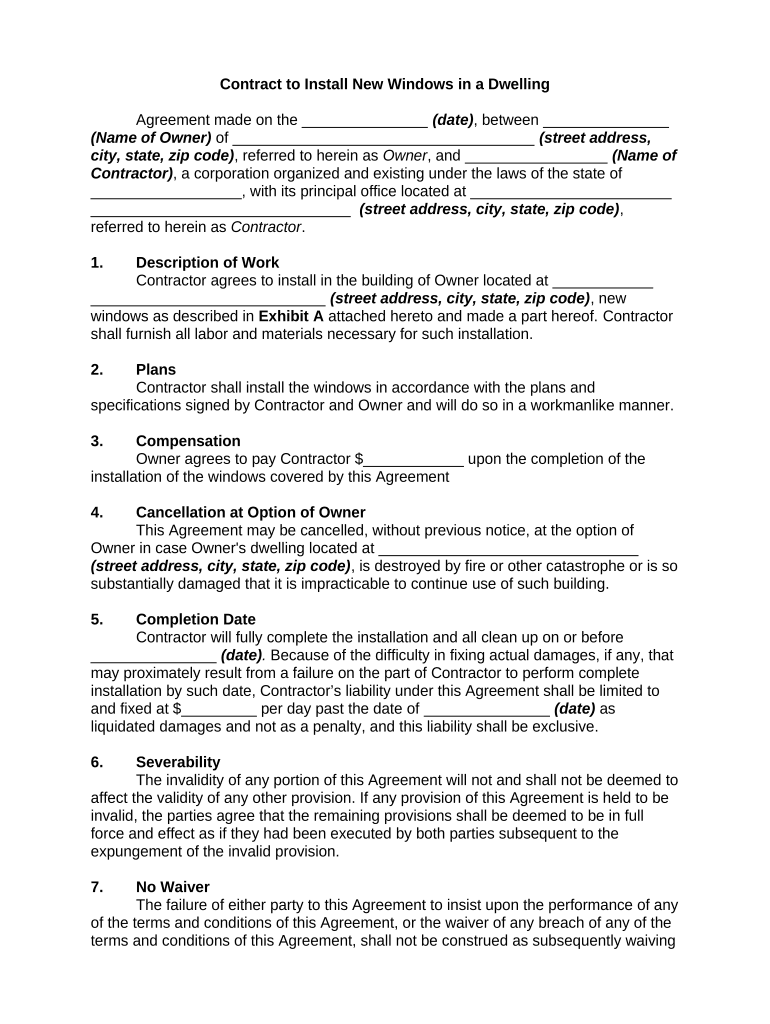
A comprehensive contract, however, eliminates guesswork and provides a foundation of trust and clarity. It details everything from the specific windows to be installed, to the payment schedule, warranty information, and what happens if unforeseen issues arise. It protects your interests as a homeowner while also safeguarding the contractor, ensuring a professional and transparent working relationship throughout the entire window replacement journey.
What Should a Comprehensive Window Replacement Contract Include?
A truly effective contract isn’t just a formality; it’s a living document that anticipates potential questions and provides clear answers before they even become problems. Think of it as the blueprint for your entire window replacement project, outlining every step and expectation in meticulous detail. This thoroughness is what ultimately leads to a successful outcome and a positive experience for everyone involved.
Project Scope and Details
First and foremost, the contract must explicitly define the scope of work. This means specifying exactly how many windows are being replaced, their precise dimensions, the specific rooms they belong to, and whether any associated trim work, sills, or framing adjustments are included. Ambiguity here is a recipe for disaster, so ensure every opening is accounted for and described with precision. It should also clarify if existing window removal and disposal are part of the service.
Materials and Specifications
Beyond just the number of windows, the contract needs to detail the specific materials and product specifications. This includes the brand and model of the windows, the frame material (vinyl, wood, fiberglass, aluminum), the type of glass (double-pane, triple-pane, Low-E, tempered), and any specific performance ratings like U-factor or Solar Heat Gain Coefficient. Hardware finishes, screen types, and even specific color choices should also be clearly noted to prevent any discrepancies.
Payment Schedule and Terms
Financial clarity is paramount. The contract should lay out the total cost of the project, including all labor and materials, and provide a clear payment schedule. Typically, this involves a down payment, progress payments tied to specific milestones (e.g., delivery of windows, completion of a certain percentage of installation), and a final payment upon satisfactory completion. Details on accepted payment methods, late payment penalties, and cancellation policies should also be present.
Project Timeline and Milestones
A realistic timeline keeps everyone on track. The contract should state the estimated start date and projected completion date. It’s also helpful to include specific milestones, such as when windows are expected to be delivered, when installation will begin, and any expected duration for different phases of the work. Furthermore, it should address what happens in the event of delays, whether due to unforeseen circumstances, weather, or material availability.
Warranty and Guarantees
Protection for your investment is vital. The contract must clearly state the warranties provided. This typically includes a manufacturer’s warranty on the windows themselves, covering defects in materials and workmanship, and a separate labor warranty from the installer, covering the quality of the installation. Be sure to understand the duration and coverage of both, and what steps you need to take to make a claim if necessary.
Dispute Resolution and Termination Clauses
While no one anticipates issues, a good contract plans for them. It should outline a process for resolving disputes, such as mediation or arbitration, before resorting to more formal legal action. Additionally, it should detail the conditions under which either party can terminate the contract, specifying any associated penalties or refund policies. This provides a clear framework if the working relationship unfortunately breaks down.
Permits and Regulations
Depending on your location, window replacement might require permits or need to adhere to specific local building codes. The contract should clearly assign responsibility for obtaining these permits and ensuring compliance with all relevant regulations. This ensures that your project is not only done well but also legally compliant.
Why a Well-Drafted Contract Protects Everyone
A well-structured agreement isn’t about mistrust; it’s about establishing trust through clear, unambiguous terms. It acts as a professional commitment from both sides, ensuring that expectations are managed and outcomes are predictable. For both homeowners and contractors, it’s a document that fosters confidence and minimizes potential friction throughout the project lifecycle.
For homeowners, having a robust window replacement installation contract template filled out and signed means peace of mind. It guarantees that the project will be executed as discussed, with no last-minute surprises or hidden fees. You’ll have a clear understanding of what you’re paying for, when the work will be done, and what recourse you have if something goes wrong. This level of detail empowers you to oversee the project effectively and hold the contractor accountable to the agreed-upon terms, ensuring you get the quality and service you expect for your investment.
Similarly, a detailed contract offers significant protection to the installer. It clearly defines the scope of work, preventing “scope creep” where a client continuously asks for additional work beyond the original agreement without additional compensation. It secures payment terms, outlines responsibilities, and provides a legal framework that can protect the contractor from unfounded claims or disputes. In essence, it sets professional boundaries and ensures fair practices for all parties involved, making every window replacement project a clear and structured endeavor.
Ultimately, a strong contract is the bedrock of a successful window replacement. It brings certainty to a complex process, replacing assumptions with clear, written understandings. By taking the time to review and understand every clause before signing, you’re paving the way for a smooth project, a positive contractor relationship, and beautiful new windows that enhance your home for years to come.