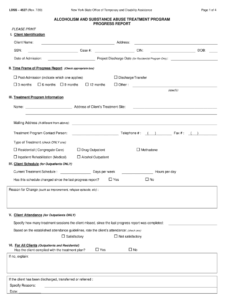
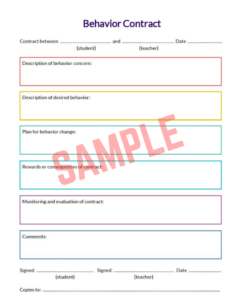
Navigating the complex journey of recovery from substance abuse can feel overwhelming, both for the individual struggling and their loved ones. Establishing clear boundaries, expectations, and a structured path forward is crucial for success. This is where a substance abuse behavior contract template can become an incredibly valuable tool, providing a written agreement that outlines commitments, consequences, and a framework for accountability.
Such a contract isn’t about punishment; it’s about empowerment and clarity. It helps to formalize the commitment to recovery, making explicit the behaviors expected, the support available, and the agreed-upon responses to both compliance and non-compliance. This level of transparency can reduce misunderstandings and provide a solid foundation for rebuilding trust and fostering a supportive environment.
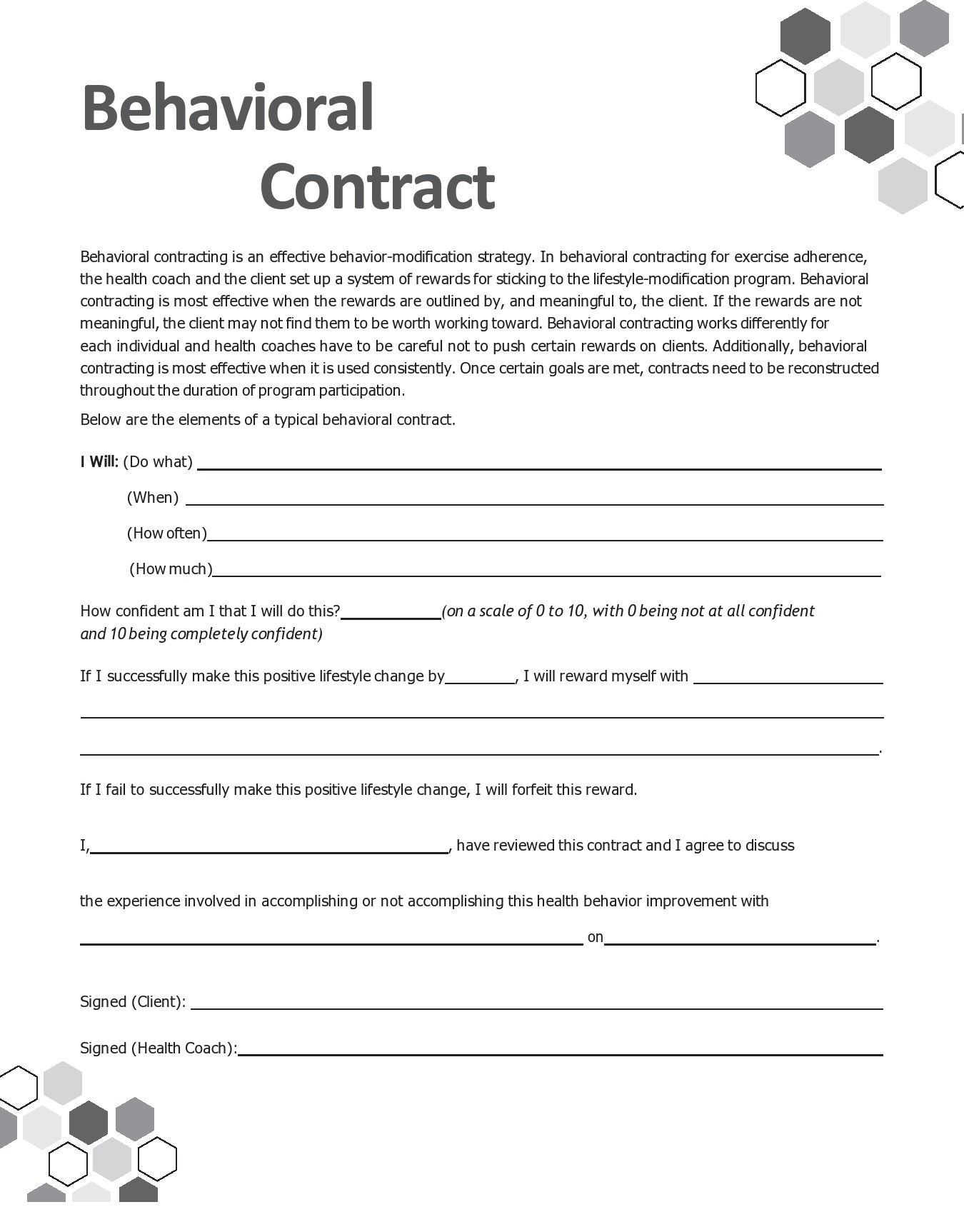
Ultimately, a well-crafted behavior contract serves as a tangible roadmap for recovery. It acknowledges the challenges ahead while reinforcing the individual’s dedication to sobriety and well-being. By involving all relevant parties, it transforms the often-solitary struggle into a collaborative effort, strengthening the support system around the individual on their path to lasting change.
Understanding the Core Components of a Behavior Contract
A behavior contract, at its heart, is a formal agreement between an individual and one or more others, outlining specific behaviors that are expected, the consequences for not meeting those expectations, and sometimes, the rewards for successful adherence. While commonly used in various therapeutic settings, its application in substance abuse recovery is particularly impactful due to the high stakes involved and the need for consistent structure.
In the context of substance abuse, this contract acts as a shared commitment to a recovery plan. It clarifies for everyone involved what steps need to be taken, what support will be provided, and what safeguards are in place to prevent relapse or address slips. This removes ambiguity and provides a concrete reference point during difficult moments, which are inevitable in any recovery process.
Key to any effective behavior contract are clearly defined goals. These aren’t vague hopes, but specific, measurable, achievable, relevant, and time-bound objectives. For instance, rather than “stop using drugs,” a goal might be “abstain from all illicit substances for 90 days, verified by weekly drug screens.” Similarly, behavioral expectations should be spelled out: attending all scheduled therapy sessions, checking in daily with a sponsor, avoiding specific trigger locations or individuals.
Equally important are the agreed-upon consequences for non-compliance. These should be predetermined and understood by all parties. Consequences are not meant to be punitive but rather corrective and supportive of the recovery process. They might include increased monitoring, temporary suspension of certain privileges, or requiring additional therapeutic interventions. The goal is to reinforce the seriousness of the commitment and guide the individual back onto their recovery path.
Conversely, positive reinforcement and rewards for meeting goals or maintaining sobriety can be incredibly motivating. These don’t need to be grand gestures; they could be regaining certain freedoms, earning a specified amount of personal time, or simply receiving verbal affirmation and recognition from their support system. Recognizing progress, no matter how small, is vital for building self-efficacy and sustaining motivation.
Finally, the behavior contract should involve all relevant signatories: the individual in recovery, family members, a therapist, a sponsor, or any other key members of their support network. Everyone involved should understand their role and commitment. It’s also a living document. Regular review dates should be scheduled to assess progress, make necessary adjustments, and ensure the contract remains relevant and supportive as the individual’s recovery journey evolves.
Crafting an Effective Substance Abuse Behavior Contract
Creating a substance abuse behavior contract template requires thoughtful consideration and open communication among all parties involved. It’s not about imposing rules, but about collaboratively developing a framework that supports long-term sobriety and personal growth. The process itself can be therapeutic, fostering a sense of shared responsibility and mutual respect.
Start by having an honest and non-judgmental discussion about the current situation, past patterns, and the individual’s hopes for recovery. Identify the specific behaviors that need to change and the support structures that will be most beneficial. Remember, every individual’s journey is unique, so the contract must be tailored to their specific needs, challenges, and strengths. What works for one person may not be suitable for another.
When you’re ready to put it all down, consider including the following elements in your contract:
- Clearly stated purpose and goals for recovery.
- Specific rules of conduct, such as abstinence from substances, attendance at meetings, or engaging in specific therapeutic activities.
- Detailed consequences for breaches of the contract, outlining what will happen and who will be involved.
- Agreed-upon rewards or positive reinforcements for adherence and milestones achieved.
- Identification of the support system, including names, roles, and contact information (e.g., therapist, sponsor, family members).
- A schedule for regular review and modification of the contract.
- Signatures of all involved parties, signifying their commitment and understanding.
A well-implemented behavior contract serves as a powerful tool for accountability and support, acting as a constant reminder of the commitments made on the path to sobriety. It provides structure in times of chaos, clarity when confusion arises, and a tangible demonstration of shared dedication to healing and growth. This proactive approach can significantly increase the chances of successful, sustained recovery, empowering individuals to take ownership of their journey while feeling securely supported by their community.
By engaging in this collaborative process, individuals and their support networks can build a strong foundation for a healthier future. It fosters trust, opens lines of communication, and most importantly, offers a clear and compassionate pathway toward lasting change and a life free from the grip of substance abuse.