In the fast-paced world of social media marketing, where trends shift daily and client expectations can often be fluid, having a solid foundation for your professional relationships is absolutely essential. That foundation comes in the form of a clear, comprehensive, and legally sound agreement. This is precisely where a social media services contract template becomes an invaluable tool, providing both the service provider and the client with a blueprint for a successful partnership and protection against potential misunderstandings.
Working without a formal contract can lead to a host of problems down the line. Imagine investing hours into a campaign, only for a client to dispute the scope of work or the agreed-upon fees. Or perhaps you’re a client, and the services you receive don’t quite match what you envisioned. Such scenarios aren’t just frustrating; they can be financially damaging and erode trust, making future collaborations impossible.
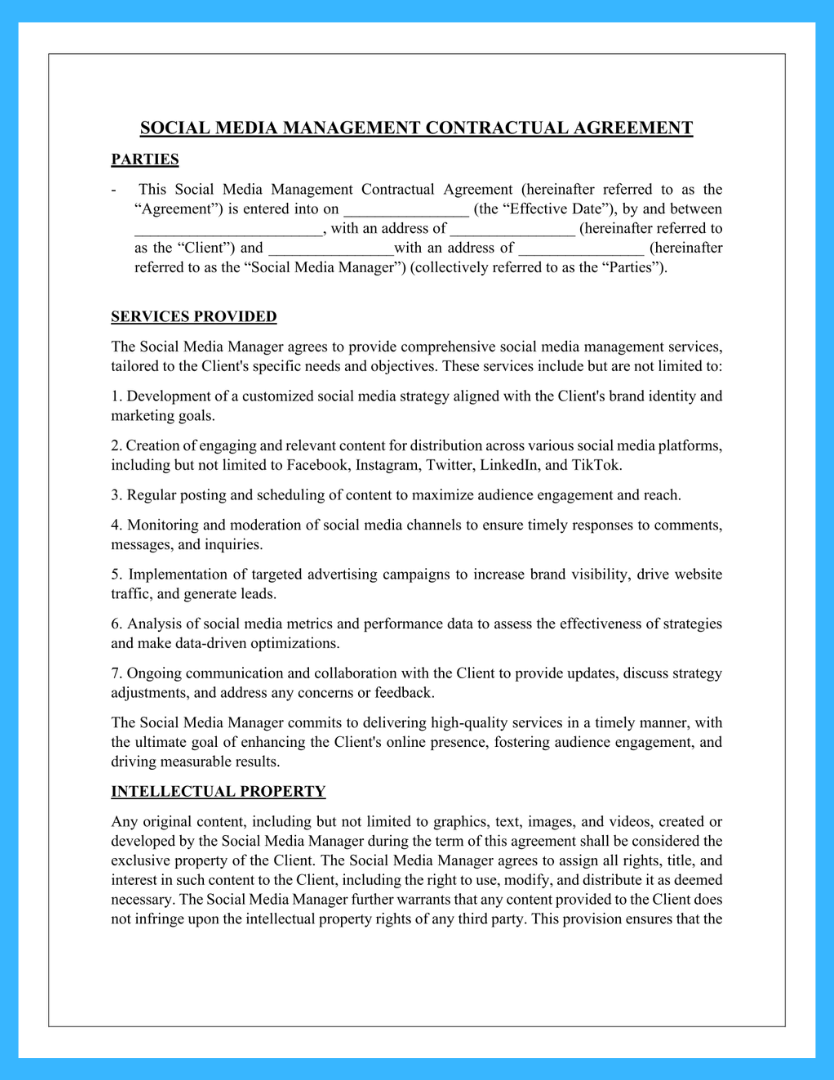
A well-drafted contract isn’t about fostering distrust; it’s about building clarity and mutual respect. It acts as a reference point, ensuring everyone is on the same page regarding deliverables, timelines, payment terms, and what happens if things don’t go as planned. It’s a commitment device that protects both parties, allowing you to focus on achieving great results rather than worrying about administrative grey areas.Why a Solid Social Media Services Contract is Non-Negotiable
Operating a social media service business, or indeed hiring one, involves a myriad of details that need to be clearly defined. Without a written agreement, you’re essentially relying on verbal understandings, which are notoriously unreliable when disputes arise. A comprehensive contract removes ambiguity, outlining the responsibilities of each party and providing a roadmap for the entire engagement.
One of the primary reasons to utilize a robust contract is to prevent what’s often called “scope creep.” This is when a project gradually expands beyond its initial boundaries without a corresponding adjustment in fees or timelines. A detailed contract explicitly defines the services to be rendered, the number of posts, platforms covered, reporting frequency, and any other specific deliverables. This means both parties know exactly what to expect and what constitutes additional work, allowing for proper negotiation and fair compensation for any out-of-scope requests.
Defining the Scope of Work
A good contract meticulously breaks down the tasks involved. Will you be managing content creation, scheduling, community engagement, ad campaigns, or all of the above? How many posts per week or month? Which social media platforms are included? What kind of reporting will be provided, and how often? Answering these questions within the contract avoids future disagreements and ensures that the client receives the services they expect, and the provider isn’t inadvertently doing unpaid work.
Ensuring Fair Payment and Terms
Money matters are often the trickiest part of any business relationship. A contract clearly states the agreed-upon fees, whether they are hourly, project-based, or a monthly retainer. It specifies the payment schedule, accepted payment methods, and critically, the consequences for late payments. This might include late fees or the suspension of services until payment is received. Having these terms in writing protects the service provider’s cash flow and sets clear expectations for the client.
Furthermore, intellectual property ownership is a significant consideration. Who owns the content created for the social media profiles? The contract should address whether the client gets full ownership upon payment, or if the service provider retains certain rights for portfolio use, for example. Clarity here prevents potential legal issues down the road regarding content usage and attribution.
Protecting Both Parties
Beyond the core services and payments, a contract includes important clauses designed to protect both parties. Confidentiality clauses ensure that sensitive business information shared during the engagement remains private. Limitation of liability clauses define the extent of each party’s financial responsibility in case of errors or omissions. Termination clauses outline the conditions under which either party can end the agreement, including required notice periods, ensuring a professional and orderly disengagement if the partnership isn’t working out.
Lastly, dispute resolution mechanisms, such as mediation or arbitration, can be included to provide a structured way to resolve conflicts without immediately resorting to expensive litigation, saving time and resources for everyone involved. This foresight helps maintain a professional demeanor even when challenges arise.Key Components to Look For in Your Template
When you are seeking out a social media services contract template, you’ll want to ensure it covers all the essential bases to protect your interests, whether you’re offering or receiving services. Think of it as a checklist to ensure nothing important is overlooked, offering peace of mind throughout the professional engagement.
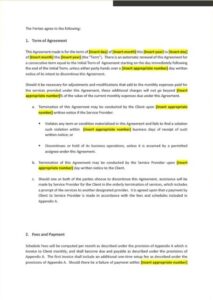
At its core, any good template will begin with the basic identification of the parties involved the client and the service provider. This includes their legal names, addresses, and contact information. An effective date for the agreement is also crucial, establishing when the terms officially begin. Following this, a detailed description of the social media services to be provided is paramount. This section should leave no room for guesswork, clearly outlining the platforms, content types, posting frequency, engagement strategies, and reporting structure.
The financial aspects are equally important. Your template should contain clear sections on the fee structure, whether it’s a flat rate, hourly, or retainer-based, along with the payment schedule and accepted methods. Don’t forget to include provisions for late payments, detailing any penalties or interest that may apply. Furthermore, clauses regarding the term of the agreement, how it can be terminated by either party, and the required notice period are critical for managing the life cycle of the contract.
- Client and Service Provider Details: Full legal names, addresses, and contact information for both parties.
- Effective Date: The date when the contract officially comes into force.
- Scope of Work and Deliverables: A precise description of all services, platforms, content types, posting schedules, and reporting.
- Payment Terms: Details on fees, payment schedule, accepted payment methods, and late payment policies.
- Term and Termination: The duration of the agreement and conditions under which either party can end it, including notice requirements.
- Confidentiality and Intellectual Property: Clauses protecting sensitive information and defining ownership of created content.
- Limitation of Liability: Defines the extent of financial responsibility for each party.
- Indemnification: Protects one party from liability caused by the other.
- Governing Law: Specifies which jurisdiction’s laws will apply to the contract.
By focusing on these core components, a social media services contract template becomes a powerful tool. It transforms potential ambiguity into crystal-clear directives, laying the groundwork for a transparent and mutually beneficial relationship. It ensures that both the creative vision and the business realities of social media management are meticulously documented and agreed upon.
Ultimately, investing time in customizing and utilizing a robust contract ensures that professional relationships are built on a foundation of clarity and trust. It allows everyone involved to channel their energy into achieving outstanding social media results, rather than navigating preventable disputes. This diligent preparation is a mark of true professionalism and a key ingredient for sustained success in the dynamic digital landscape.