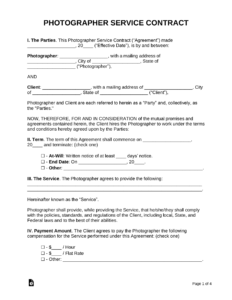
Starting a photography business or just trying to refresh your portfolio can be an incredibly exciting time for any creative. One of the most effective ways to get fresh faces in front of your lens is by hosting a model call, which allows you to test out new locations, lighting setups, or artistic concepts. However, even when you are providing a service for free or at a discounted rate, you must protect your business interests and your creative rights. This is where a photography model call contract template comes into play to ensure that both you and the person you are photographing are on the exact same page before any shutters start clicking.
Many photographers make the mistake of thinking that because a model call is often a TFP or time for print arrangement, they do not need a formal agreement. This could not be further from the truth. In fact, when there is no money changing hands, the expectations can sometimes be even more blurred than a standard paid session. A model might expect every single photo you took, while you might only intend to deliver five high quality edited images. Without a written document, you are opening yourself up to unnecessary back and forth communication and potential disagreements that can sour a great creative experience.
Setting the stage for a professional relationship starts the moment someone applies for your model call. By having a contract ready to go, you signal to your potential models that you take your craft seriously and that you value their time as much as your own. It establishes a boundary that protects your art and ensures that the model knows exactly what they will receive in exchange for their time. It also covers the legal bases that every business owner needs to consider, regardless of whether they are working out of a high end studio or a local public park.
Why You Need a Solid Agreement for Your Next Shoot
Liability is one of those topics that no one likes to talk about until something goes wrong. If a model trips over a camera bag or slips on a wet rock during an outdoor session, you need to have a clear understanding of where the responsibility lies. A well drafted agreement includes a waiver that protects you from being held liable for accidental injuries that occur during the shoot. This is a standard practice in the industry and helps you sleep better at night knowing that your personal and business assets are not at risk over a simple accident.
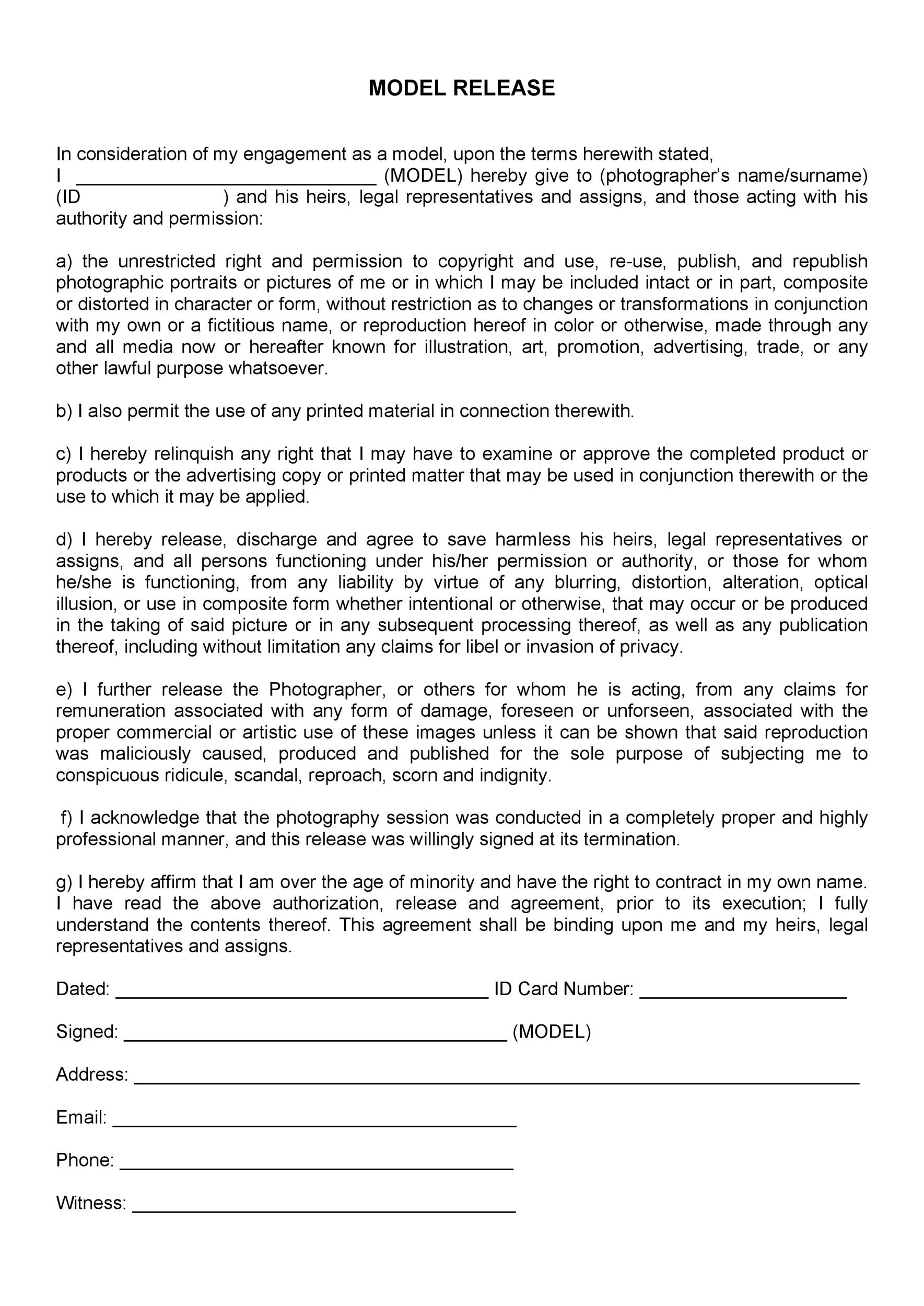
Beyond the physical safety of the shoot, you also have to think about the intellectual property you are creating. As the photographer, you generally own the copyright to the images you take, but the model has rights to their likeness. A contract clarifies that you have the permission to use these images for your portfolio, social media, and even commercial marketing. Without this written permission, you might find yourself unable to use the very photos you worked so hard to create for your portfolio because the model decided later they did not want their face on your website.
Clarifying the Scope of Work
The scope of work is another area where things can get a bit messy if they are not defined. You should clearly outline what the model is expected to bring, such as specific outfits, hair styling, or makeup. If you are providing these services, that should be noted as well. By detailing these requirements, you ensure that the model arrives prepared and that the aesthetic of your shoot remains consistent with your vision. It prevents the awkward situation where a model shows up in neon colors for a moody, earth toned forest session.
Delivery timelines are often a major point of contention between photographers and models. Models are usually very excited to see the results and might start messaging you the very next day asking for the files. In your agreement, you should specify exactly how long the editing process will take and how many images they will receive. This manages their expectations and gives you the breathing room you need to produce your best work without feeling rushed or pressured by constant inquiries.
Usage rights for the model are equally important to define. Most models will want to share the images on their own social media profiles or use them for their personal portfolios. You can use your contract to specify that they must tag your business or provide a photo credit whenever they post the images. You can also prohibit them from applying their own filters or edits to your work, which preserves the integrity of your editing style and ensures that your brand is represented accurately to the public.
Finally, having a professional document simply makes you look more established. Even if you are just starting out, presenting a clear and concise agreement shows that you are organized and that you respect the legalities of the industry. This builds trust with your models, which often leads to better expressions and a more relaxed atmosphere during the shoot. When people feel like they are in professional hands, they are much more likely to follow your direction and contribute to a successful session.
Key Elements to Include in Your Template
When you are putting together your photography model call contract template, you should start with the basics like the date, time, and specific location of the shoot. It sounds simple, but having these details in writing prevents any confusion about where everyone is supposed to meet. You should also include a section for contact information for both parties so that you can easily reach each other if there are any last minute changes due to weather or emergencies. This section serves as the foundation of the agreement and ensures the logistics are handled.
The most critical part of the document is the model release clause. This is the legal heart of the agreement where the model grants you the right to use their image for various purposes. You should be specific about where the images will be used, whether it is just for your portfolio or if you intend to sell them as stock photography or use them in paid advertisements. Being transparent about your intentions helps build a good relationship with your models and prevents any legal challenges down the road regarding how the images are being utilized.
You should also include a section on cancellations and no shows. Since model calls are often unpaid or low cost, some people might not feel a strong obligation to show up. By including a clause that outlines the consequences of a no show, or perhaps requiring a small retainer fee that is refunded after the shoot, you encourage the model to honor their commitment. This protects your time and any expenses you might have incurred, such as renting a studio or purchasing props specifically for the session.
- Full names and contact details of the photographer and the model
- Detailed description of the shoot location and scheduled time
- The number of edited digital images to be delivered to the model
- A timeline for when the final images will be provided
- Specific rules regarding social media usage and mandatory photo credits
- A liability waiver to protect against accidental injuries
- Clear language regarding the ownership of the copyright and likeness rights
Taking the time to organize your business processes will pay off significantly as you grow. By using a standardized approach for every person who steps in front of your camera, you create a consistent experience that reflects well on your brand. You will find that your sessions run more smoothly and that you can focus entirely on the creative aspects of the job rather than worrying about potential misunderstandings. A little bit of preparation goes a long way in the professional photography world.
As you continue to develop your skills and expand your portfolio, keep your documentation updated to reflect any changes in your workflow or business model. Your contract is a living document that should evolve as you learn more about what works best for your specific niche. With a solid agreement in hand, you are ready to capture amazing images and build lasting professional relationships with the models you collaborate with during your creative journey.