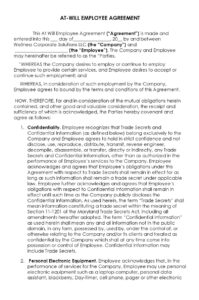
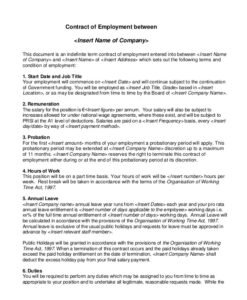
Starting a new business or managing a growing team often requires a high degree of flexibility that traditional long term agreements simply cannot offer. This is where a month to month employment contract template becomes an essential tool for your hiring toolkit. It allows you to bring on talent without the immediate pressure of a multi year commitment while ensuring that both you and your new hire are protected by clear terms. In today’s fast paced economy, being able to pivot quickly is a competitive advantage that should not be overlooked by any savvy manager or business owner.
Many companies choose this route when they have project based needs or when they are in a period of transition. Perhaps you are waiting for a specific budget approval or you are testing out a new role within your organization. Instead of leaving things to chance with a verbal agreement, having a written document provides a professional foundation. It sets the tone for the relationship and ensures that everyone understands the temporary or rolling nature of the work right from the start.
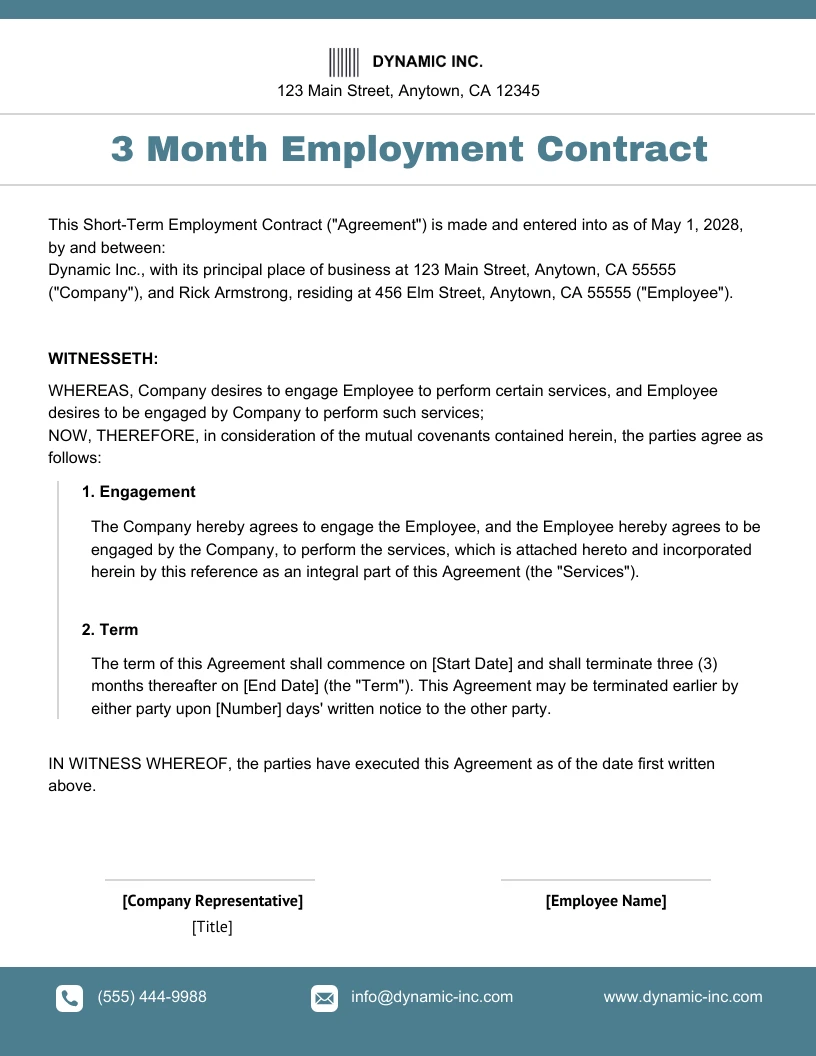
The beauty of this type of arrangement is the simplicity it brings to the administrative side of hiring. While a standard full time contract might involve complex clauses about long term benefits and severance, a monthly agreement focuses on the immediate future. This clarity helps in avoiding misunderstandings that often occur when expectations are not aligned. It creates a transparent environment where the employee knows their status and the employer knows their obligations on a month by month basis.
Understanding the Benefits of Flexible Hiring Arrangements
One of the primary reasons businesses turn to shorter agreements is the ability to manage cash flow effectively. When you hire someone on a rolling monthly basis, you are not necessarily locking your company into a massive financial obligation for the next twelve months. This is particularly helpful for startups or small businesses that might experience seasonal fluctuations in their revenue. If a project ends sooner than expected, the contract naturally allows for a graceful transition without the legal headaches often associated with terminating a long term employee.
From the perspective of the worker, these contracts can also be quite appealing. Many modern professionals, especially those in the creative or tech industries, value their freedom. They might be looking for a way to bridge the gap between larger projects or simply prefer the variety that comes with shorter engagements. By offering a monthly setup, you might actually attract high level talent that would otherwise be unwilling to sign away a year of their life to a single company. It creates a mutual trial period where both parties can see if the culture and the work are a good fit.
Legal safety is another major factor that cannot be ignored. Even in regions where employment is considered at will, having a signed document that outlines the specific nature of the monthly renewal can prevent potential disputes. It clearly defines the start and end of each period, making it much easier to track performance and milestones. Without such a document, you might find yourself in a gray area regarding notice periods or final paychecks, which can lead to costly mediation or legal fees that no small business wants to deal with.
Key Components to Include in Your Agreement
When you are putting together the details of the agreement, you need to be very specific about the scope of work. Since the timeframe is short, the objectives should be clear and achievable within that monthly window. This prevents scope creep where an employee might feel they are being asked to do far more than what was originally agreed upon. It also helps the manager evaluate whether the hire is providing enough value to justify renewing the contract for the following month.
Payment terms are equally vital in a monthly setup. You should clearly state the rate of pay and exactly when it will be disbursed. Since the contract refreshes every thirty days, some businesses choose to align their payment cycle with the contract renewal date. You should also mention whether the role is eligible for any specific bonuses or if it is a flat fee arrangement. Keeping the financial side of the deal simple is usually the best way to ensure a smooth working relationship for both the company and the individual.
Notice periods are perhaps the most important part of a rolling contract. Even though it is a monthly arrangement, you usually want to include a clause that requires at least one or two weeks of notice if either party decides not to renew for the next month. This gives the employer time to find a replacement and gives the employee time to look for their next opportunity. It maintains a level of professional courtesy that is often lost in less formal working arrangements, ensuring that bridges are not burned when the time comes to part ways.
How to Customize Your Contract for Success
When you finally download a month to month employment contract template, you might notice that it provides a general framework that needs to be tailored to your specific industry. No two jobs are exactly alike, and your contract should reflect the unique requirements of your business. Whether you are hiring a virtual assistant, a short term marketing consultant, or a temporary office manager, the language you use should be easy to understand and free of unnecessary jargon. The goal is to create a document that builds trust rather than one that feels like a mountain of confusing legal text.
There are several specific items you should consider adding to the template to make it more robust. These include things like confidentiality and equipment usage. If the employee is going to have access to your sensitive company data or if you are providing them with a laptop, those details must be recorded. Here is a list of common elements that many businesses find useful to include in their monthly agreements:
The final step in the process is the signing and filing of the document. In the digital age, this is easier than ever with electronic signature tools that allow you to get everything finalized in a matter of minutes. Once the contract is signed, make sure both parties have a copy for their records. It serves as a point of reference if questions arise later about duties or compensation. By taking the time to get the paperwork right at the beginning, you are setting the stage for a productive and stress free professional relationship.
Taking this organized approach to hiring allows you to focus on what really matters, which is growing your business and hitting your targets. You will find that having a repeatable process for bringing on temporary help makes your entire operation more agile. Instead of fearing the hiring process, you can embrace it as a way to inject new energy into your team whenever it is needed. This flexibility is what allows modern companies to thrive in a market that is constantly shifting and presenting new challenges.
Ultimately, the way you handle your employment agreements says a lot about your company culture. By providing a clear and fair monthly contract, you show that you value transparency and respect the time of the people who work for you. It creates a professional atmosphere where everyone knows where they stand, which is the best foundation for high quality work. Whether the relationship lasts for one month or evolves into a long term partnership, starting with a solid agreement is the smartest move you can make.