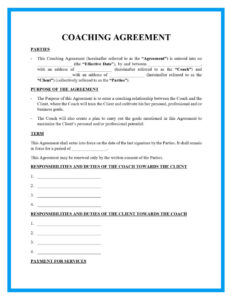
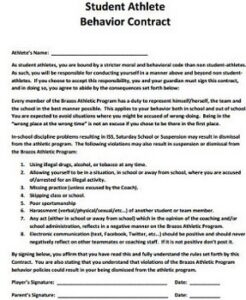
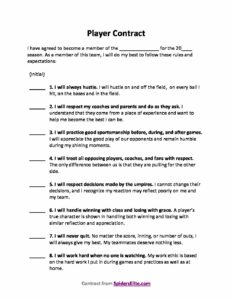
Starting a semi-pro football team is an exhilarating journey that bridges the gap between local recreation and high-level professional sports. One of the most critical steps in establishing your team as a serious organization is securing a solid semi pro football contract template to outline the expectations for your players. This document serves as the backbone of your operations, ensuring that everyone from the coaching staff to the athletes on the field understands their roles and obligations before the first whistle blows.
The transition into the semi-pro world often involves a mix of seasoned veterans and young prospects looking for their big break. Because the environment is so diverse, having a standardized agreement helps maintain a level of professionalism that can be hard to sustain in a volunteer-heavy setting. It provides a clear framework for how the team operates, which can be the difference between a chaotic season and a championship run. When players see a structured agreement, they are more likely to treat the opportunity with the respect it deserves.
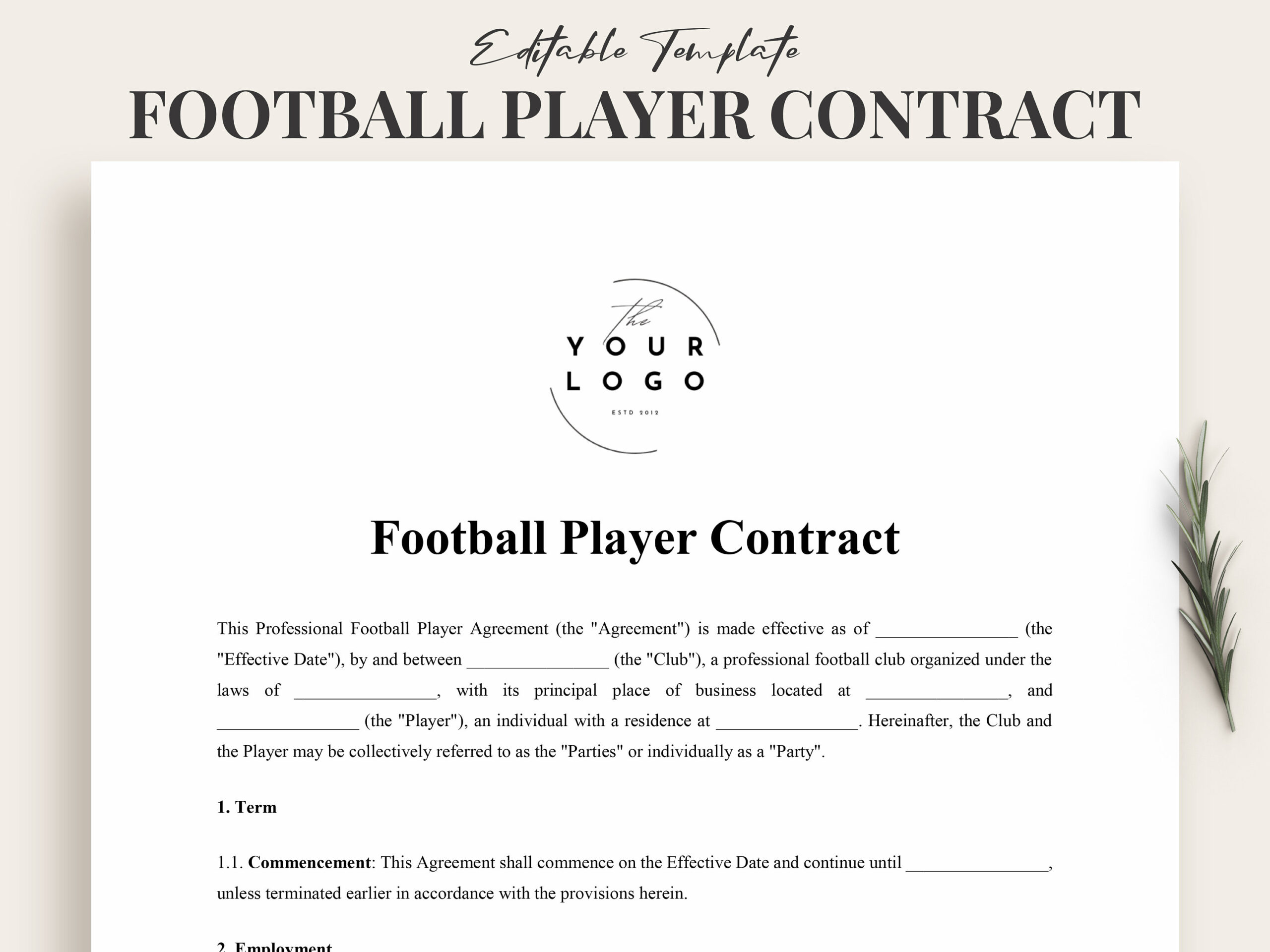
Furthermore, legal clarity is just as important in semi-pro leagues as it is in the major leagues. Even if the financial stakes are smaller, the risks associated with physical sports remain high. A well-drafted document protects the organization from various liabilities while giving players peace of mind regarding their rights and responsibilities. By putting everything in writing, you eliminate the ambiguity that often leads to disputes or misunderstandings later in the season.
Essential Components of a Professional Agreement
When you are putting together your documentation, the first thing you need to focus on is the identification of the parties and the term of the agreement. This section should clearly state the legal names of the team and the player, along with the specific dates the contract covers. Typically, a semi-pro season includes training camps, the regular season, and potential playoff games. Defining these dates ensures that the player knows exactly when they are expected to be available and when their commitment to the organization ends for the year.
Financial arrangements are the next big hurdle to cover. In the semi-pro world, this can range from simple travel reimbursements to per-game stipends or performance-based bonuses. It is vital to be transparent about what the team can and cannot provide. If there is no direct salary, the agreement should explicitly state that the position is non-salaried to avoid any future legal claims for back wages. This clarity helps manage expectations and prevents financial friction from disrupting team chemistry.
Player Conduct and Expectations
Behavioral standards are often what separate successful teams from those that struggle with locker room issues. Your agreement should include a comprehensive code of conduct that covers both on-field and off-field behavior. This includes attendance at practices, adherence to training schedules, and social media etiquette. In the digital age, a players public image can directly impact the teams reputation and its relationship with local sponsors, so setting boundaries early is a smart move.
Another crucial element involves health, safety, and insurance. Football is a high-contact sport with a significant risk of injury. The contract should outline who is responsible for medical costs in the event of an on-field accident. Many teams require players to carry their own health insurance, while others might provide a basic secondary policy. Regardless of the arrangement, the document should include a waiver of liability that protects the team owners and coaches from lawsuits related to standard gameplay injuries.
Equipment usage and ownership is a detail that often gets overlooked until the end of the season. Teams need to specify which pieces of gear are provided by the organization and which are the responsibility of the player. If the team provides helmets or jerseys, there should be a clause stating that these items must be returned in good condition at the end of the term. Some teams even implement a deposit system to ensure that expensive equipment makes its way back to the locker room once the season concludes.
Finally, every agreement needs a clear termination clause. This section explains the circumstances under which either party can end the relationship early. Common reasons for termination include a breach of the code of conduct, failure to maintain physical fitness, or a mutual agreement to let a player pursue a higher-level professional opportunity. Having a predefined exit strategy protects the organization from being stuck with a player who is not a good fit and gives the player a path to move forward if their circumstances change.
Best Practices for Implementing Your Contract
Once you have your document ready, the way you introduce it to your players is just as important as the text itself. It is best to hold a team meeting where you go over the highlights of the agreement together. This allows players to ask questions and ensures that everyone is on the same page regarding the teams goals and rules. Taking the time to explain the why behind certain clauses can build trust and show the players that the management cares about their well-being and the success of the program.
It is also a good idea to encourage players to take the document home and review it before signing. This reinforces the idea that this is a serious commitment and not just a formality. While many semi-pro players are eager to sign anything to get on the field, giving them space to understand the terms helps prevent buyer’s remorse later on. If a player has concerns about a specific clause, being open to a reasonable discussion can help foster a collaborative environment from day one.
To make the process as smooth as possible, consider using modern tools and checklists to stay organized. Digital signature platforms can save a lot of time and paperwork, making it easier to track who has signed and who still needs to complete their paperwork. Here are a few things to double-check before you finalize any player agreement:
- Verify that all contact information for the player is current and accurate.
- Ensure the medical waiver is compliant with local and state regulations.
- Double-check that the dates for the season and playoffs are correct.
- Confirm that any financial stipends or reimbursement amounts are clearly defined.
- Make sure both the player and a team representative sign and date the document.
Building a successful sports franchise requires more than just talent on the field; it requires a foundation of organizational excellence. By utilizing a comprehensive semi pro football contract template, you are taking a proactive step toward creating a culture of accountability and respect. This structure not only helps in managing the day-to-day operations but also makes your team more attractive to potential sponsors and high-quality athletes who are looking for a professional environment.
As the season progresses, you will find that having these written agreements in place simplifies many of the administrative challenges that typically arise. Whether you are dealing with equipment returns or enforcing team rules, you can always point back to the signed document as the final authority. This allows the coaching staff to focus on what they do best, which is winning games and developing players, while the management side of the house remains stable and secure for years to come.