Thinking about protecting your business can feel a bit overwhelming, especially when you are just starting to grow your team. One of the most common tools used by entrepreneurs today is a free non compete contract template which helps establish boundaries from the very beginning. Whether you are hiring your first full time employee or bringing on a freelance consultant, having a clear understanding of where your trade secrets and client relationships stand is vital for long term success.
A non compete agreement is essentially a promise between two parties. Usually, it involves an employee or contractor agreeing not to enter into competition with their employer for a specific amount of time after their working relationship ends. This is not about stopping someone from earning a living, but rather about ensuring that the proprietary knowledge they gained while working for you is not immediately turned against your own business. It creates a safety net that allows business owners to share sensitive information more comfortably.
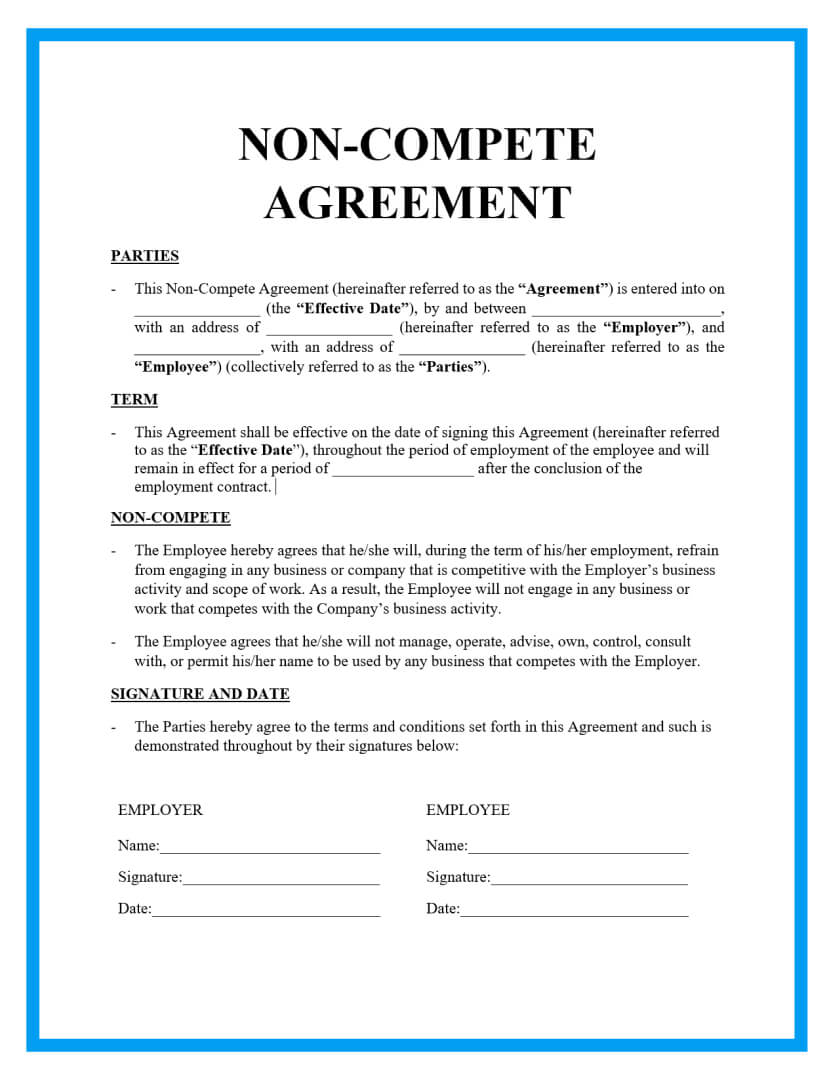
Most business owners start looking for these documents online because legal fees can stack up quickly. While a template is a fantastic starting point, it is important to understand what actually goes into these documents to make sure they are effective. You want something that provides a solid foundation while remaining fair and reasonable for everyone involved. A well crafted agreement protects your hard work while respecting the professional growth of your staff members.
Making Sense of the Essential Elements
When you look at a standard agreement, the first thing you notice is that it needs to be specific. A broad or vague contract is often the first thing a court will throw out if a dispute ever arises. You need to define exactly what your business does and what specific activities would constitute a conflict of interest. If you are a digital marketing agency, you might not need to prevent an employee from working in a restaurant, but you would certainly care if they started a competing agency next door.
Another critical aspect is the concept of consideration. In legal terms, this means that both parties have to get something out of the deal. For a new hire, the job offer itself is usually considered the consideration. However, if you are asking an existing employee to sign a new agreement, you might need to offer a bonus or a promotion to make the contract legally binding in many jurisdictions. Without this exchange of value, the agreement might not hold up when you need it most.
The Importance of Geographic Boundaries
You cannot simply tell someone they cannot work anywhere in the world. A good agreement will specify a certain radius or set of regions where the competition is prohibited. This is usually based on where your current customers are located or where you actively conduct business. If your company only operates in a single city, trying to enforce a nationwide ban is usually seen as unfair by the legal system. Keeping it local and relevant is the key to making it stick.
Setting a Realistic Timeframe
Time is another factor that needs careful thought. Most reasonable agreements last anywhere from six months to two years. If you try to prevent someone from working in their field for five or ten years, a judge will likely find it too restrictive. You want to protect your interests during the most sensitive period after a person leaves, which is usually when your trade secrets are still fresh and your client relationships are most vulnerable to being moved.
Protecting trade secrets is often the primary motivation behind these contracts. This includes things like specialized software, unique manufacturing processes, or even internal pricing strategies. By clearly defining what constitutes a trade secret, you give your business a much stronger layer of protection. It ensures that the unique recipe for your success does not become common knowledge among your competitors the moment a staff member moves on.
Finally, you should think about the non solicitation of clients. This is often a separate clause but frequently bundled into these agreements. It prevents a former team member from reaching out to your existing database and trying to move those clients over to a new company. This is often easier to enforce than a general non compete clause because it focuses on direct business interference rather than a general right to work. It protects the revenue stream you have worked hard to build.
Tips for Implementing Your Agreement
Once you have your free non compete contract template ready to go, the next step is implementation. It is always a good idea to introduce this document during the onboarding process rather than as a surprise later on. Being transparent about why you need the protection helps build a relationship of trust with your new team members. They will appreciate knowing exactly where the lines are drawn from day one.
Every state and country has different rules regarding these types of restrictive covenants. Some places are very strict and may even prohibit non compete agreements for certain types of workers or salary levels. It is a smart move to do a quick check on your local labor laws to ensure the template you are using complies with the latest regulations in your specific area. Laws change frequently, and staying updated ensures your business remains protected.
Keep a digital and physical copy of the signed document in a safe place. You should also ensure that the person signing the document has had enough time to read it thoroughly and ask questions. Rushing someone into a signature can sometimes lead to claims of duress later on, which you definitely want to avoid. A smooth and professional signing process reinforces the importance of the document and sets a tone of mutual respect.
Protecting the hard work you have put into your company is a natural part of being a business owner. It allows you to share information more freely with your team without the constant fear that your best ideas will walk out the door tomorrow. By setting clear expectations from the start, you create a professional environment where everyone understands the boundaries and the value of the intellectual property they are working with. This clarity benefits both the employer and the employee by defining the professional landscape clearly.
Taking the time to set up these protections today can save a lot of stress and potential legal headaches in the future. While no document is a total guarantee of safety, having a well structured agreement in place shows that you take your business seriously. It provides peace of mind for you and a clear set of guidelines for your employees, allowing everyone to focus on growth and innovation. A solid foundation is the first step toward building a lasting and secure enterprise.