Getting a deal on paper can feel like a daunting task, especially when you are trying to balance professionalism with practicality. Many entrepreneurs and freelancers find themselves at a crossroads where they need a formal agreement but do not want to spend thousands of dollars on a legal team right away. This is where an offer and acceptance contract template becomes an essential tool for your business toolkit, providing a clear path from a handshake to a signed document. It serves as the bridge between a simple idea and a legally binding commitment that protects everyone involved in the transaction.
When you start a new project or enter into a partnership, the excitement often overshadows the logistical details. However, relying solely on verbal agreements or vague email threads can lead to significant headaches down the road. By using a structured format, you ensure that both parties are on the same page regarding expectations, timelines, and compensation. It creates a sense of security and professional boundaries that are necessary for any long term success in the modern business world.
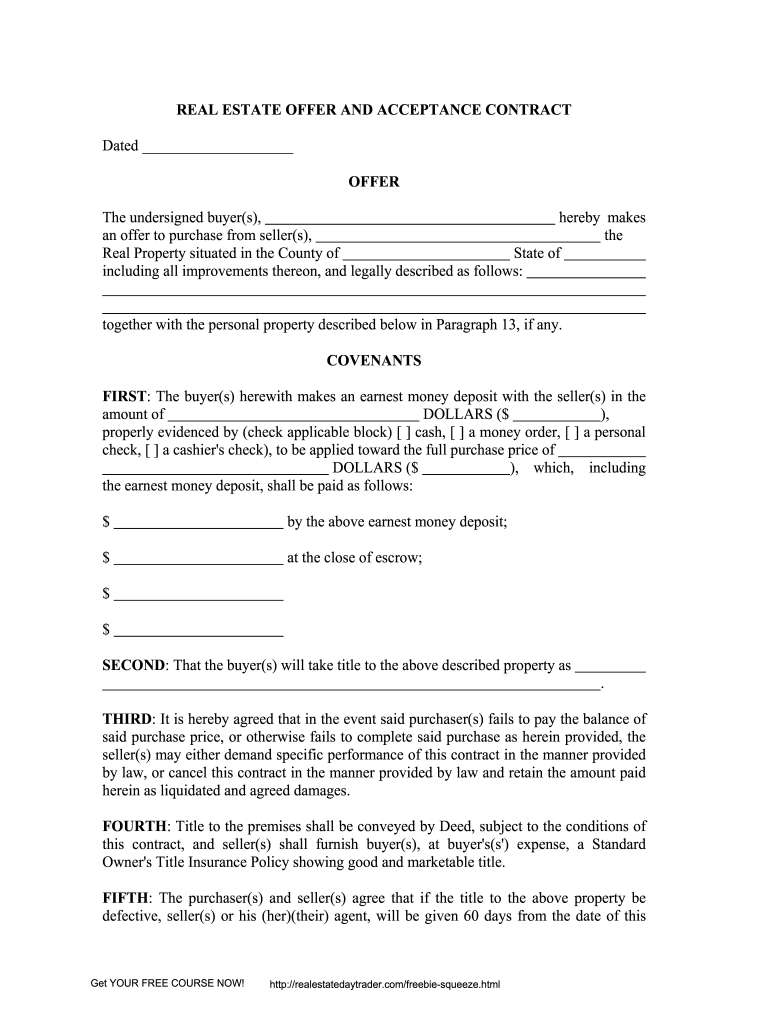
You do not need to be a legal expert to understand how these documents work or how to implement them. The beauty of a well designed framework is that it simplifies complex legal jargon into actionable steps that anyone can follow. As we move forward, we will look at how you can use these tools to streamline your operations and make sure your interests are always looked after. It is all about building a foundation of trust through clarity and mutual understanding from the very first interaction.
The Essential Elements of a Valid Agreement
Every legal agreement rests on a few core pillars that ensure it can stand up to scrutiny if things ever go sideways. At its heart, a contract is simply an exchange of promises where one person offers something of value and another person agrees to those terms. This process might sound simple, but the nuances of how these promises are documented can make a huge difference in how enforceable they actually are in a professional setting. Without a clear structure, you risk leaving important details to interpretation, which is where most disputes begin.
The first step in this process is the manifestation of a clear intent to enter into a deal. This means that the person making the offer must provide enough detail so that the other party knows exactly what they are agreeing to. This includes the scope of work, the price to be paid, and any specific deadlines that need to be met. When these details are laid out clearly in an offer and acceptance contract template, it eliminates the guesswork and allows the other party to make an informed decision without having to ask a dozen follow up questions.
Once the offer is on the table, the second phase involves the actual acceptance of those terms. It is important to remember that for an acceptance to be valid, it generally needs to be a mirror image of the offer. This means that if the receiving party changes any of the terms, they have technically rejected the original offer and created a counteroffer. This back and forth is a natural part of negotiation, but it must be captured accurately to ensure that the final version of the document reflects the ultimate agreement reached by both sides.
Understanding the Offer Phase
In the initial stage, specificity is your best friend. You want to describe the goods or services being provided in a way that leaves no room for confusion. For example, instead of saying you will provide marketing services, you should specify the number of social media posts, the hours of consulting, or the specific deliverables expected at the end of the month. This level of detail shows that you are a professional who takes your commitments seriously and respects the time of your clients or partners.
Communication methods also play a huge role in how an offer is perceived and handled. In the digital age, most offers are sent via email or through project management platforms. Regardless of the medium, the offer must be communicated directly to the person who has the authority to accept it. Setting a clear expiration date for the offer is also a smart move, as it creates a sense of urgency and prevents an old proposal from being accepted months later when your prices or availability may have changed significantly.
Finalizing the Acceptance
The finalization of the deal happens when the other party provides their unequivocal consent to the terms. This can be done through a signature, an electronic confirmation, or in some cases, through the performance of the duties outlined in the agreement. It is always best to get a physical or digital signature to have a clear paper trail. This signature acts as the definitive proof that the meeting of the minds has occurred and that both parties are now bound by the obligations they have discussed.
Timing is everything when it comes to closing the loop on an agreement. If there are specific conditions that need to be met before the contract becomes active, these should be highlighted. For instance, some agreements might only start once a deposit has been paid. By clearly outlining these triggers, you protect yourself from starting work before the other party has fully committed their resources to the project. It keeps the relationship balanced and ensures that everyone is contributing their fair share from the start.
Why a Standardized Approach Improves Your Workflow
Implementing a consistent process for your agreements does more than just protect you legally. It also makes your business much more efficient. When you have a reliable system in place, you do not have to reinvent the wheel every time a new client comes along. You can simply take your existing framework, plug in the specific details for the new project, and send it off in a fraction of the time it would take to write something from scratch. This efficiency allows you to focus more on the actual work and less on the administrative hurdles of starting a new job.
Furthermore, using a standardized method helps in maintaining a cohesive brand image. When your clients receive a professional, well organized document, it reinforces their decision to work with you. It shows that you have systems in place and that you are organized. This professional touch can often be the deciding factor for a client who is choosing between several different service providers. People want to work with someone who makes the process easy and predictable, and a clear contract is a big part of that experience.
There are several key benefits to adopting this approach for every new partnership you enter into:
Ultimately, the goal is to create a culture of transparency and accountability. When everyone knows what is expected of them, there is less stress and more room for creativity and collaboration. A good agreement is not about being restrictive; it is about providing the boundaries within which a healthy professional relationship can flourish. It gives both parties the confidence to move forward, knowing that they are supported by a clear and fair understanding of the deal.
Navigating the world of business agreements does not have to be a source of constant anxiety. By taking the time to set up a solid foundation now, you are saving yourself from countless potential problems in the future. It is one of the best investments you can make in the longevity and health of your professional career. Whether you are a solo freelancer or running a growing company, the principles of clear communication and documented consent remain the same across all industries.
As you move forward with your next big project, remember that the tools you use to define your relationships are just as important as the work you do. Take the steps necessary to ensure your agreements are solid, fair, and easy to understand. With the right approach and a reliable framework to guide you, you can focus on what you do best while having the peace of mind that your business interests are well protected. Success is built on strong partnerships, and those partnerships are built on the clarity of a well executed agreement.