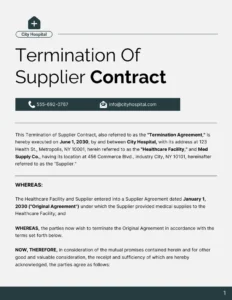
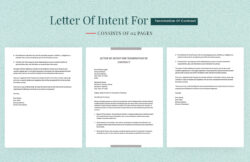
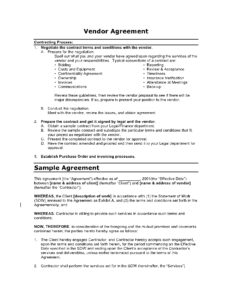
Ending a business relationship is rarely a walk in the park, but sometimes it is the only way to keep your company moving in the right direction. Whether the service has declined or your budget has shifted, having a solid vendor contract termination letter template on hand can save you a lot of stress and legal headaches. It is about closing one door professionally so that you can open another without any lingering baggage or hard feelings.
Many business owners feel a bit of anxiety when it comes to cutting ties with a supplier or service provider. You have worked together for months or even years, and you do not want to come across as cold or ungrateful. However, business is business, and clarity is much better than ambiguity when it relates to legal agreements and financial obligations.
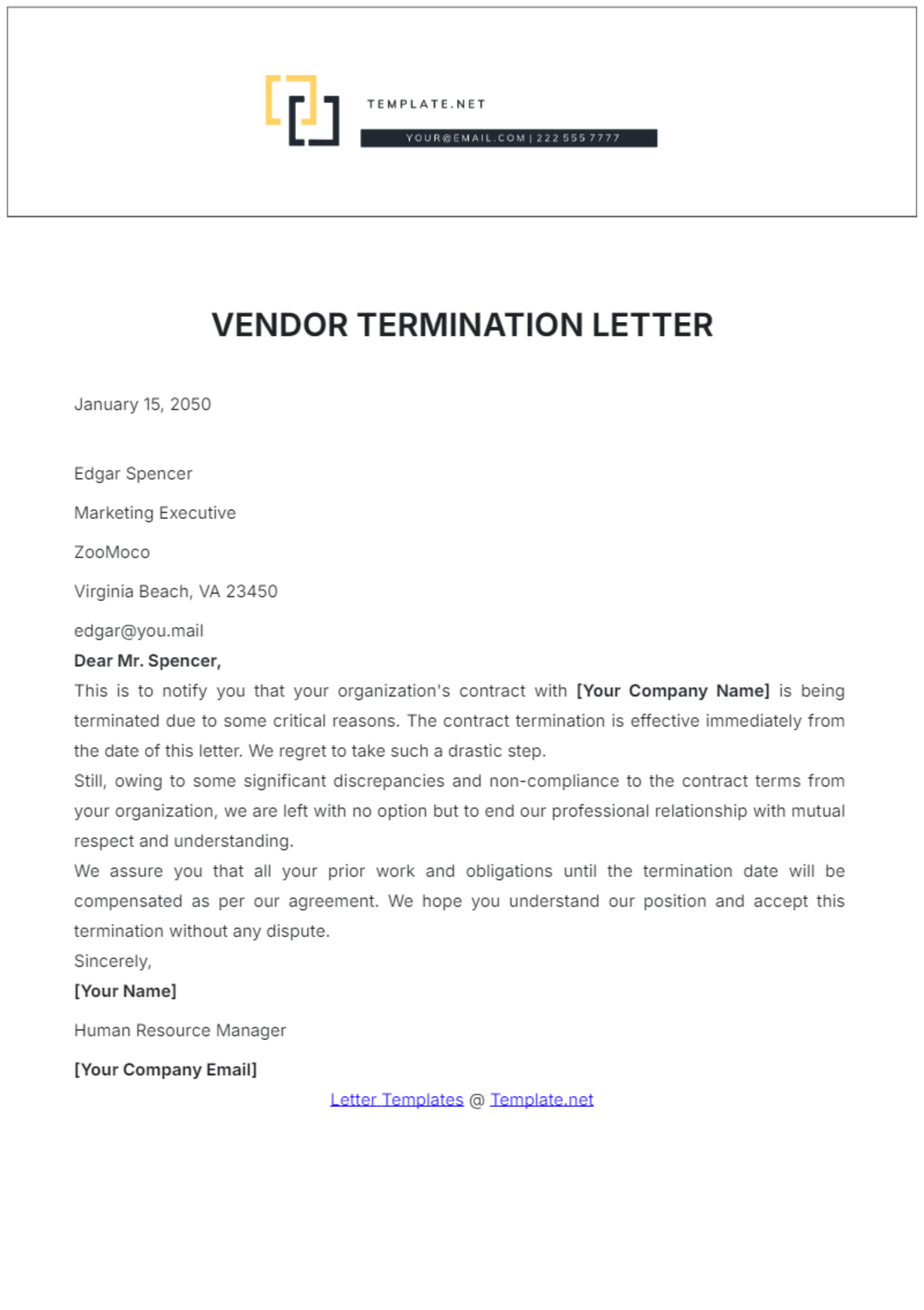
Transitioning away from a vendor requires a mix of tact and precision. You need to follow the rules laid out in your initial agreement while ensuring that your message is received loud and clear. By using a standardized approach, you ensure that every box is checked and that your team is protected from potential disputes that could arise from a messy breakup.
Why You Need a Professional Approach to Ending Contracts
When you first signed that contract, everything was likely full of promise. You expected the vendor to solve your problems, and they expected a steady stream of revenue. But as time goes on, things change. Maybe their customer support has become unresponsive, or perhaps their pricing is no longer competitive in the current market. Regardless of the reason, you cannot just stop paying the bills and hope they go away.
A formal letter serves as a legal record of your intent. In the world of business, verbal agreements or casual emails often fall short when a dispute reaches a courtroom or an arbitration hearing. By formalizing your exit, you create a paper trail that proves you followed the notice period and other stipulations mentioned in the original document. This protects your reputation and your bank account.
It is also about maintaining your professional network. The business world is surprisingly small, and you never know when you might cross paths with the individuals at that company again. Ending things on a high note, or at least a neutral one, ensures that you are not burning bridges that might be useful later in your career.
Reviewing the Notice Period
Before you even start typing, you need to pull out the original contract and look for the termination clause. Most agreements require a specific amount of notice, such as thirty, sixty, or ninety days. If you fail to provide this notice, you might be hit with hefty penalties or forced to pay for services you no longer want.
Accuracy is your best friend here. If the contract says you must provide written notice via certified mail, then that is exactly what you should do. Cutting corners during the termination process is a recipe for disaster. You want to make sure there is no room for the vendor to claim they never received your request to end the partnership.
Finally, think about the transition of assets or data. If the vendor handles your digital information or physical inventory, the termination process should include a clear plan for how these items will be returned. It is not just about stopping the service; it is about making sure you have everything you need to continue your operations without a hitch.
Key Elements to Include in Your Termination Notice
While every situation is a bit different, a reliable vendor contract termination letter template should always include a few non-negotiable details. Start with the basics like the date, your company name, and the name of the person you are contacting. You should clearly state the contract title or number so there is no confusion about which agreement you are referring to.
State the exact date when the services should stop. Be firm but polite. You do not necessarily need to provide a long-winded explanation of why you are leaving unless the contract requires you to prove cause. In many cases, a simple statement saying that you are moving in a different direction is more than enough.
Here is a quick list of what to double-check before you hit send:
Taking the time to craft a thoughtful and legally sound message is an investment in your company’s future. It allows you to move on to better opportunities with a clean slate and a clear conscience. Remember that the goal is not to win an argument but to end a business arrangement in a way that is fair and final.
Once the letter is sent and the final tasks are completed, you can focus your energy on finding a new partner that better aligns with your current goals. Growth often requires making tough choices, and ending a stagnant vendor relationship is a necessary step in that evolution. Keep your documentation organized, stay professional, and look forward to the new possibilities ahead.