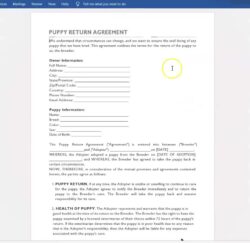
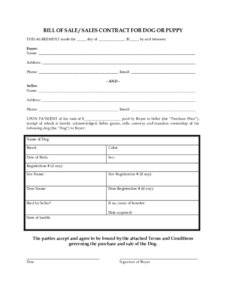
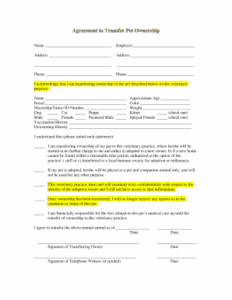
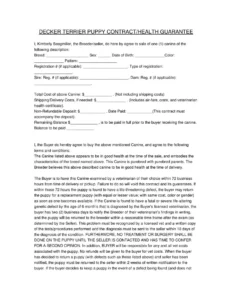
Bringing a new pet into your home is an exciting and joyous occasion. Whether you’re adopting from a rescue, purchasing from a breeder, or rehoming an animal, ensuring their long-term health and preventing pet overpopulation should be a top priority. This is where a robust spay and neuter contract template becomes an invaluable tool, providing a clear agreement between parties for the pet’s future welfare.
These contracts are not just legal documents; they are a commitment to responsible pet ownership. They help ensure that every animal placed in a new home will eventually be spayed or neutered, reducing the number of unwanted litters and contributing to healthier communities. Understanding how to create and utilize an effective spay and neuter agreement is crucial for anyone involved in placing animals. This comprehensive guide will walk you through the essential components, legal considerations, and best practices for using such a template.
The Indispensable Role of Spay and Neuter Agreements
Responsible pet care extends beyond providing food and shelter; it encompasses making choices that benefit the individual animal and the broader pet population. Spay and neuter agreements serve as a cornerstone of this responsibility, establishing clear expectations and safeguards for a pet’s future. They are particularly vital for breeders, rescue organizations, and even individuals looking to rehome an animal, ensuring that the commitment to spaying or neutering is formally recognized and agreed upon by the new owner.
Why Responsible Pet Ownership Demands a Contract
The primary goal of a spay and neuter contract is to prevent unintended breeding and contribute to reducing pet overpopulation. Millions of animals enter shelters each year, many of whom are euthanized due to a lack of available homes. A legally binding agreement helps ensure that puppies and kittens sold or adopted will not add to this crisis, fostering a cycle of responsible pet ownership.
Beyond population control, these contracts also safeguard the health and well-being of individual animals. Spaying and neutering can prevent certain cancers and other health issues, often leading to a longer, healthier life for the pet. By including these terms in a contract, you are prioritizing the animal’s long-term health over potential breeding.
Protecting Your Interests and the Animal’s Future
For sellers, rescuers, and original owners, a spay and neuter contract template offers significant protection. It legally obligates the new owner to follow through with the procedure within a specified timeframe, typically when the animal reaches an appropriate age, such as six months for most cats and dogs. This minimizes the risk of animals being used for indiscriminate breeding, which can be detrimental to their health and genetics.
The contract also provides a clear recourse if the agreement is breached. Stipulations can include financial penalties or even the return of the animal, offering a legal framework to ensure compliance. This proactive approach helps uphold the values of ethical animal placement and ensures the pet’s future is secure and healthy.
Key Elements of an Effective Spay and Neuter Contract Template
A well-drafted spay and neuter contract is clear, concise, and leaves no room for ambiguity regarding the obligations of the new pet owner. When utilizing a spay and neuter contract template, it’s crucial to understand which elements are non-negotiable and how to tailor them to your specific circumstances. The goal is to create a document that is easily understood and legally enforceable.
Essential Clauses for Comprehensive Coverage
Every effective spay and neuter agreement should include several core components. Firstly, clear identification of the animal, including breed, sex, color, microchip number, and any distinguishing marks, is vital. This ensures there’s no confusion about which animal the contract applies to. Secondly, the contract must explicitly state the requirement for spaying or neutering. This clause should specify the deadline by which the procedure must be completed, often tied to the pet’s age (e.g., "by six months of age" or "within 30 days of reaching sexual maturity").
Furthermore, it is essential to outline the proof of spay/neuter required, such as a veterinary certificate, and the method by which this proof must be submitted to the original owner or organization. Penalties for non-compliance are also critical; these can range from a monetary fee to the demand for the animal’s return. Many templates also include a clause requiring the new owner to cover any legal fees incurred if enforcement action is necessary.
Customizing Your Agreement for Specific Needs
While core elements remain consistent, a spay and neuter contract template should be adaptable. For instance, a rescue organization might have different clauses than a purebred dog breeder. Rescues often include provisions about return policy if the adoption doesn’t work out, while breeders might specify certain health guarantees or restrictions on breeding rights for future generations.
Consideration should also be given to specific scenarios, such as medical exemptions. If a veterinarian certifies that spaying or neutering would be detrimental to the animal’s health, the contract should outline the process for requesting and approving such an exemption. Age is another customization factor; very young puppies or kittens might have a later deadline than older animals. Always ensure the language is simple and accessible, avoiding overly complex legal jargon, to maintain an 8th-grade reading level.
Navigating Legalities: Enforcing Your Spay/Neuter Agreement
While a spay and neuter contract template provides a strong foundation, understanding its legal weight and the steps for enforcement is crucial for ensuring compliance. These agreements are more than just a piece of paper; they are legally binding documents that reflect a mutual understanding and commitment to responsible pet care. Knowing your rights and options can make a significant difference if a breach occurs.
Understanding the Legal Weight of Pet Contracts
In many jurisdictions, a spay and neuter agreement is considered a valid contract, subject to general contract law principles. This means that if all the essential elements of a contract are present – offer, acceptance, consideration, and a clear intention to create legal relations – it can be upheld in a court of law. The ‘consideration’ often comes in the form of the animal itself being transferred for a fee, or as part of an adoption process.
It is important that the contract clearly outlines the obligations of both parties, the timeframe for the spay/neuter procedure, and the consequences of failing to adhere to these terms. Ambiguity can weaken the contract’s enforceability. Consulting with a legal professional to review your spay and neuter contract template, especially if you anticipate recurring use, can provide added assurance that it meets local legal requirements and standards.
Steps for Ensuring Compliance and Addressing Breaches
Proactive measures are often the best way to ensure compliance. This might include regular follow-ups with the new owner around the time the procedure is due, perhaps a reminder email or phone call. Providing resources for affordable spay/neuter clinics can also remove barriers for owners. Documenting all communications and attempts to verify compliance is vital.
If a breach of the spay and neuter agreement occurs, the first step is usually to send a formal written notice to the owner, reminding them of their contractual obligation and the stipulated penalties. This notice should clearly state the deadline for compliance before further action is taken. If the owner still fails to comply, legal action may be necessary. Depending on the contract’s terms and local laws, this could involve seeking monetary damages (the specified penalty), or initiating legal proceedings to reclaim the animal. Small claims court is often an appropriate venue for disputes involving pet contracts, given the relatively low costs and simplified procedures.
Comparing Spay/Neuter Contract Template Options
When seeking a spay and neuter contract template, you’ll find various options available, each with its own advantages and considerations. Choosing the right template depends on your specific needs, whether you’re a rescue organization, a reputable breeder, or an individual rehoming a pet. Understanding the differences can help you select the most suitable and comprehensive agreement.
| Template Type | Description | Pros | Cons | Best Suited For |
|---|---|---|---|---|
| Free Online Templates | Readily available on various pet-related websites, often basic. |
|
|
Individuals rehoming a single pet, general understanding. |
| Paid Customizable Templates | Offered by legal document services or specialized pet legal sites. |
|
|
Small rescue groups, hobby breeders, recurring use with minor variations. |
| Custom Legal Drafting | Prepared by an attorney specifically for your organization/needs. |
|
|
Professional breeders, large rescue organizations, high-volume placements. |
Expert Tips for Crafting a Robust Spay and Neuter Contract
Creating an effective spay and neuter agreement goes beyond simply filling in blanks on a template. Thoughtful consideration of every detail ensures its enforceability and clarifies expectations for all parties involved. By following these expert tips, you can strengthen your spay and neuter contract template and contribute positively to animal welfare.
- Be Explicit and Detailed: Avoid vague language. Clearly state the exact terms, including the specific procedure required (e.g., "surgical sterilization"), the deadline for completion, and the consequences of non-compliance. Ambiguity can lead to misunderstandings and difficulties in enforcement.
- Specify Proof Requirements: Detail what constitutes acceptable proof of spay/neuter. This typically includes a dated veterinary certificate on clinic letterhead, clearly identifying the pet and the procedure performed. Specify how and to whom this proof should be submitted.
- Include a Clear Penalty Clause: An effective contract should outline the penalties for breach. This could be a monetary fee that covers potential legal costs or the right to reclaim the animal. Ensure the penalty is reasonable and proportionate to the breach, as excessively harsh penalties may not be upheld in court.
- Outline Medical Exemptions: Address potential medical reasons why an animal might not be able to undergo the procedure. Establish a clear process for requesting and approving such exemptions, often requiring a statement from a licensed veterinarian.
- Seek Legal Review: While a template provides a good starting point, having a local attorney review your finished document is highly recommended. Legal professionals can ensure the contract complies with state and local laws, is legally sound, and addresses specific jurisdictional nuances.
- Maintain Open Communication: Discuss the spay/neuter clause thoroughly with the prospective owner before signing. Ensure they understand all terms and responsibilities. Providing an opportunity for questions can prevent future disputes and build trust.
- Keep Thorough Records: Retain signed copies of the contract, all communications, and any proof of spay/neuter submitted. These records are vital if any enforcement action becomes necessary.
By incorporating these tips, you can transform a basic template into a powerful and legally sound document that supports responsible pet ownership and safeguards the future well-being of animals.
In conclusion, a thoughtfully prepared and utilized spay and neuter contract template is a critical tool for anyone involved in pet placement. It serves as a commitment to reducing pet overpopulation, promoting animal health, and ensuring that new pet owners understand their vital role in responsible animal stewardship. By incorporating clear clauses, addressing legal considerations, and adopting best practices for customization and enforcement, these agreements protect both the animals and the parties involved.
Taking the time to develop or select a comprehensive and enforceable spay and neuter agreement is an investment in the well-being of countless animals. Ensure your contract is robust and clear, helping to secure a healthier, happier future for every pet entrusted to a new home.