Navigating the music business often feels like walking through a labyrinth without a map. Whether you are a rising singer or a seasoned producer, finding a partner to handle the business side is a game changer. That is why having a solid artist management contract template is the first step in turning a passion project into a professional career that lasts for decades. It provides a roadmap for both the artist and the manager, ensuring that everyone knows exactly where they stand from day one of the partnership.
A good partnership is built on trust, but even the best relationships can run into trouble when money and fame are involved. When you bring a manager on board, you are essentially hiring someone to be your voice in rooms you cannot enter yet. This person will handle your scheduling, your branding, and your negotiations with record labels or sponsors. Because their influence is so vast, having a written agreement is the only way to safeguard your creative future and ensure that your interests are always the top priority.
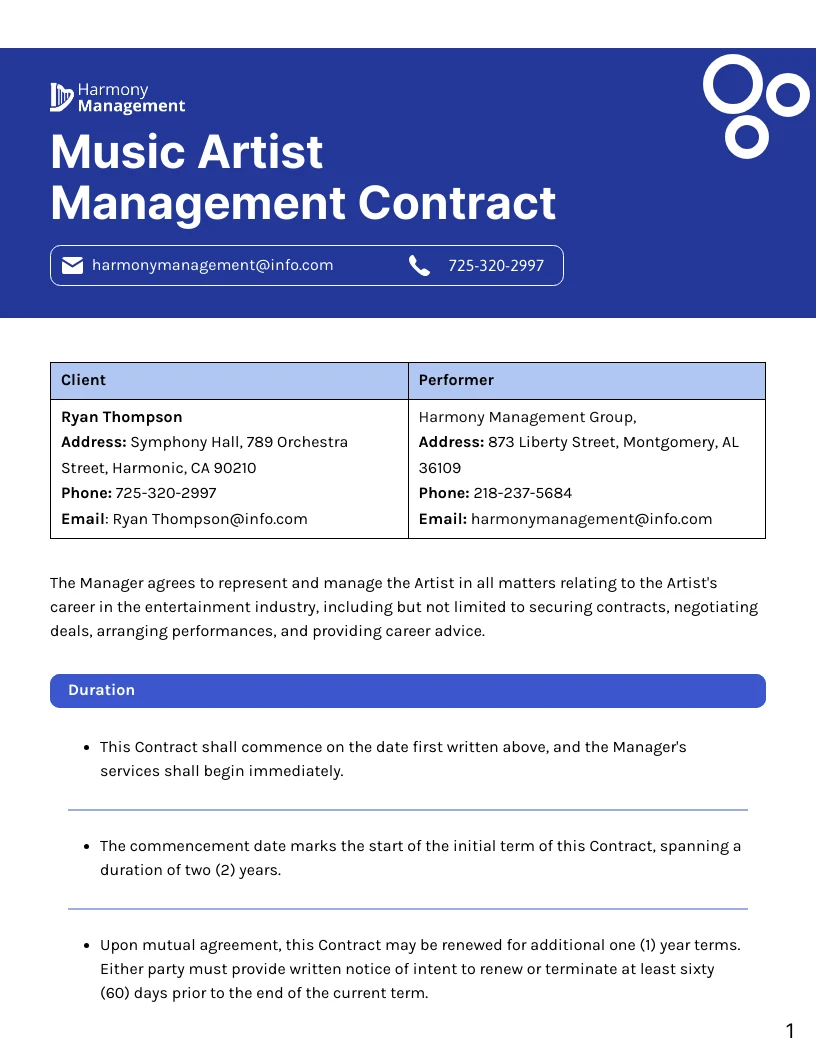
Think of this document not as a sign of distrust, but as a foundation for growth. It clarifies expectations, defines what success looks like, and sets boundaries that allow both parties to work with confidence. Without a formal agreement, small misunderstandings about commissions or travel expenses can quickly spiral into career ending legal battles. By taking the time to outline the specifics early on, you allow yourself to focus on the music while your manager focuses on the business strategy.
Understanding the Core Elements of a Management Agreement
The scope of representation is arguably the most critical part of any agreement between an artist and their manager. You need to clearly define whether the manager is responsible for all aspects of your career or just a specific niche, such as touring or social media. Most all encompassing agreements cover everything from recording and publishing to live performances and merchandising. Defining this early prevents any confusion about who is responsible for landing that next big festival slot or negotiating a brand deal with a fashion house.
Compensation is usually the topic that people feel most awkward discussing, but it is the one that requires the most clarity. In most cases, managers work on a commission basis, typically ranging from fifteen to twenty percent of the artist’s gross income. However, it is vital to specify what is commissionable. For example, will the manager take a cut of the money you spend on recording a new album, or only the profit you make after the recording costs are paid back? These details can make a massive difference in your take home pay at the end of the year.
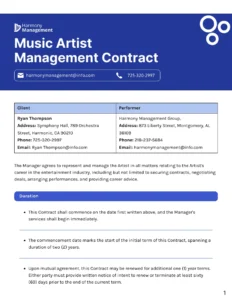
The term or duration of the contract determines how long you are legally bound to each other. Some contracts are based on a specific number of years, while others are tied to career milestones, such as the release of a certain number of albums. It is common to see an initial period followed by several options for renewal if certain financial goals are met. This gives both parties an out if the partnership is not producing the results they expected within a reasonable timeframe.
The Importance of Exclusivity
Most managers will require you to work with them exclusively, meaning you cannot hire another manager while your current contract is active. This makes sense from their perspective because they are investing significant time and often their own money into your brand. On the flip side, the manager is usually not exclusive to you. They likely have other clients on their roster. You should ensure that your contract states the manager will devote sufficient time to your career regardless of how many other artists they represent.
Accounting and transparency are the bedrocks of a healthy professional relationship. Your agreement should outline how money flows from the source to your bank account. Does the money go to the manager first, or does it go to an independent business manager or accountant? It is generally considered a best practice for funds to go through a third party to ensure that both the artist and the manager are paid fairly and that there is a clear paper trail for every dollar earned.
Key Person and Sunset Clauses
A key person clause is a vital protection for the artist. If you sign with a large management company because you love working with one specific person, you want to make sure that if that person leaves the company, you have the right to leave too. Without this clause, you could find yourself stuck with a company where you do not know anyone and no one understands your vision. This ensures that your professional relationship remains personal and aligned with your creative goals.
Termination and the sunset clause are often overlooked during the honeymoon phase of a new partnership. A sunset clause determines how much money a manager gets paid after the contract ends. Usually, the commission rate scales down over a few years. This recognizes that the manager did work that will continue to generate income long after they are gone, but it also prevents the artist from being financially burdened by paying two full commissions when they hire someone new.
Finally, business expenses must be clearly managed. Managers often pay for things out of pocket, like travel or promotional materials, with the expectation of being reimbursed. Your contract should stipulate that any expense over a certain dollar amount requires your written approval. This prevents you from waking up to a massive bill for a first class flight or an expensive dinner that you did not authorize or even attend.
Practical Steps to Finalize Your Agreement
Once you have an artist management contract template in hand, the next step is customization. No two artists are exactly the same, and your contract should reflect your unique situation. If you are a DIY artist who handles their own social media, you might want to adjust the manager’s duties. If you are a touring heavy band, you might need to be more specific about how road expenses are handled. The template is a starting point, but the final version should feel like it was tailored specifically for your journey.
Legal review is a step that you simply cannot skip. Even if you and your manager are best friends, having an entertainment lawyer look over the document is essential. They can spot predatory language or ambiguous phrasing that could cause problems years down the road. It is a small investment up front that can save you thousands of dollars and your entire career’s worth of intellectual property later on. A lawyer ensures that the document is enforceable and fair for both sides.
Remember that a contract is a living breathing document that represents a partnership. It should encourage communication rather than stifle it. Use the negotiation process as a test of how you and your manager will handle difficult conversations in the future. If you can navigate a contract negotiation with respect and clarity, it is a great sign that you will be able to handle the highs and lows of the music industry together as a cohesive team.
Success in the music world is rarely an accident. It is the result of talent meeting preparation and professional organization. By establishing a clear set of rules through a formal agreement, you are telling the industry that you are serious about your craft and your business. This level of professionalism attracts better opportunities, more significant investments, and long term stability in an industry that is notoriously unpredictable.
The road to the top is long, and having the right partner by your side makes all the difference. When you move forward with a clear agreement, you create a space where creativity can thrive without the weight of administrative uncertainty. Take the time to do things the right way now, and you will be free to focus on what matters most, which is making the music that your fans are waiting to hear.