Breaking up is incredibly difficult, and when that relationship involves sharing a home, the aftermath can become even more complicated and stressful. You might find yourself in the unenviable position of needing your ex-partner to move out, but without the clear boundaries that exist in a typical landlord-tenant relationship, it can feel like you’re navigating uncharted waters. It is a highly sensitive situation, blending personal history with legal necessities, and it requires careful consideration to ensure a smooth transition for everyone involved.
It’s a tough spot to be in, and navigating the legalities can feel overwhelming. You might be wondering about your rights, your ex-partner’s rights, and the correct way to proceed without creating further conflict or legal issues down the line. That’s where understanding the right steps, and potentially a boyfriend roommate eviction notice template, comes in handy. It’s not just about asking someone to leave; it’s about following a process that protects both parties and adheres to legal standards.
This article aims to walk you through everything you need to know to handle this sensitive situation as smoothly and legally as possible, ensuring you protect your rights and your home. We’ll explore the distinctions between different living arrangements, discuss the essential legal considerations, and guide you on how to formally request that your former partner vacate the premises in a way that is respectful yet firm and legally sound.
Understanding Your Rights and Responsibilities When Evicting a Former Partner
When it comes to asking a former partner to leave your shared living space, it is crucial to understand that this isn’t a typical landlord-tenant eviction process, although some of the principles can overlap. The specifics largely depend on your unique situation: whether your ex is on the lease, whether they contribute to rent or utilities, how long they have lived there, and what your local housing laws dictate. Simply changing the locks or telling them to leave without proper notice could lead to legal repercussions for you, as they may have established some form of tenancy, even without a formal written agreement.
The legal standing of your former partner is the first thing you need to ascertain. If your ex is a signatory on the lease agreement, they have the same legal rights to occupy the property as you do. In such a scenario, you cannot simply evict them. You would either need to mutually agree to break the lease, have them sign a lease termination agreement, or pursue a more complex legal route such as partition action, which is often a last resort. If they are not on the lease but have been living there, receiving mail, and contributing financially, many jurisdictions might consider them an “at will” tenant or a licensee, which still grants them certain rights to notice.
Many states and cities have specific regulations regarding how much notice must be given to someone who is considered an “at will” tenant, even if they are not formally on a lease. This notice period can range from 3 days to 60 days, depending on how long they have resided in the property and the specific local laws. It is vital to research the landlord-tenant laws in your specific area, as they can vary dramatically from one county or state to another. Consulting your local housing authority or an attorney specializing in landlord-tenant law can provide invaluable clarification.
Furthermore, even if your ex is considered merely a guest or a licensee, prolonged stay can sometimes elevate their status in the eyes of the law, granting them squatter’s rights or requiring a formal notice to quit. It is never advisable to resort to self-help eviction methods, such as removing their belongings, shutting off utilities, or changing locks, as these actions are often illegal and can result in you facing legal penalties. Patience and adherence to due process are paramount to resolving this situation correctly.
Ensuring you have a clear understanding of your local laws before taking any action will protect you from potential legal issues and ensure that the process, while difficult, proceeds as smoothly and lawfully as possible. This preparatory work forms the foundation for any subsequent steps you might take, including the issuance of a formal notice.
Key Steps Before Issuing an Eviction Notice
Before you even think about drafting a notice, there are some critical steps to take to ensure you are on solid legal ground. These preparatory actions can save you a lot of trouble and strengthen your position should any disputes arise.
- Review your lease agreement: Carefully read your lease to understand any clauses related to additional occupants, subletting, or guest policies. This will confirm if you, as the primary tenant, have the authority to ask someone to leave.
- Understand local laws: Research your city and state’s specific requirements for eviction, especially for non-tenants, “at-will” tenants, or long-term guests. Pay attention to required notice periods and acceptable reasons for asking someone to vacate.
- Gather documentation: Collect any relevant documents that establish your sole tenancy or demonstrate the lack of your ex-partner’s legal right to reside there. This could include a lease in your name only, utility bills, or past communications.
- Consider mediation: In some cases, a neutral third party can help facilitate a peaceful discussion and agreement regarding moving out, avoiding the need for a formal eviction process altogether.
- Seek legal advice: If you are unsure about your specific legal standing or the correct procedure, consulting an attorney specializing in landlord-tenant law is always a wise investment. They can provide tailored advice based on your unique circumstances.
These preliminary steps are not just bureaucratic hurdles; they are essential safeguards designed to protect your rights and ensure that any action you take is legally sound and effective.
Crafting and Delivering Your Boyfriend Roommate Eviction Notice Template
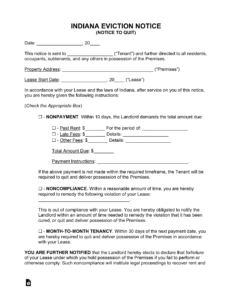
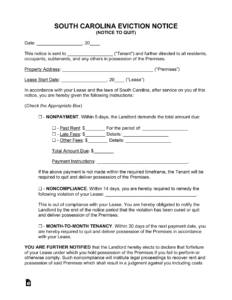
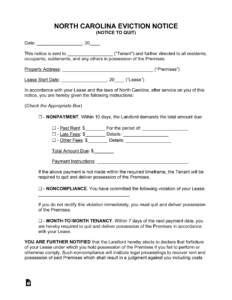
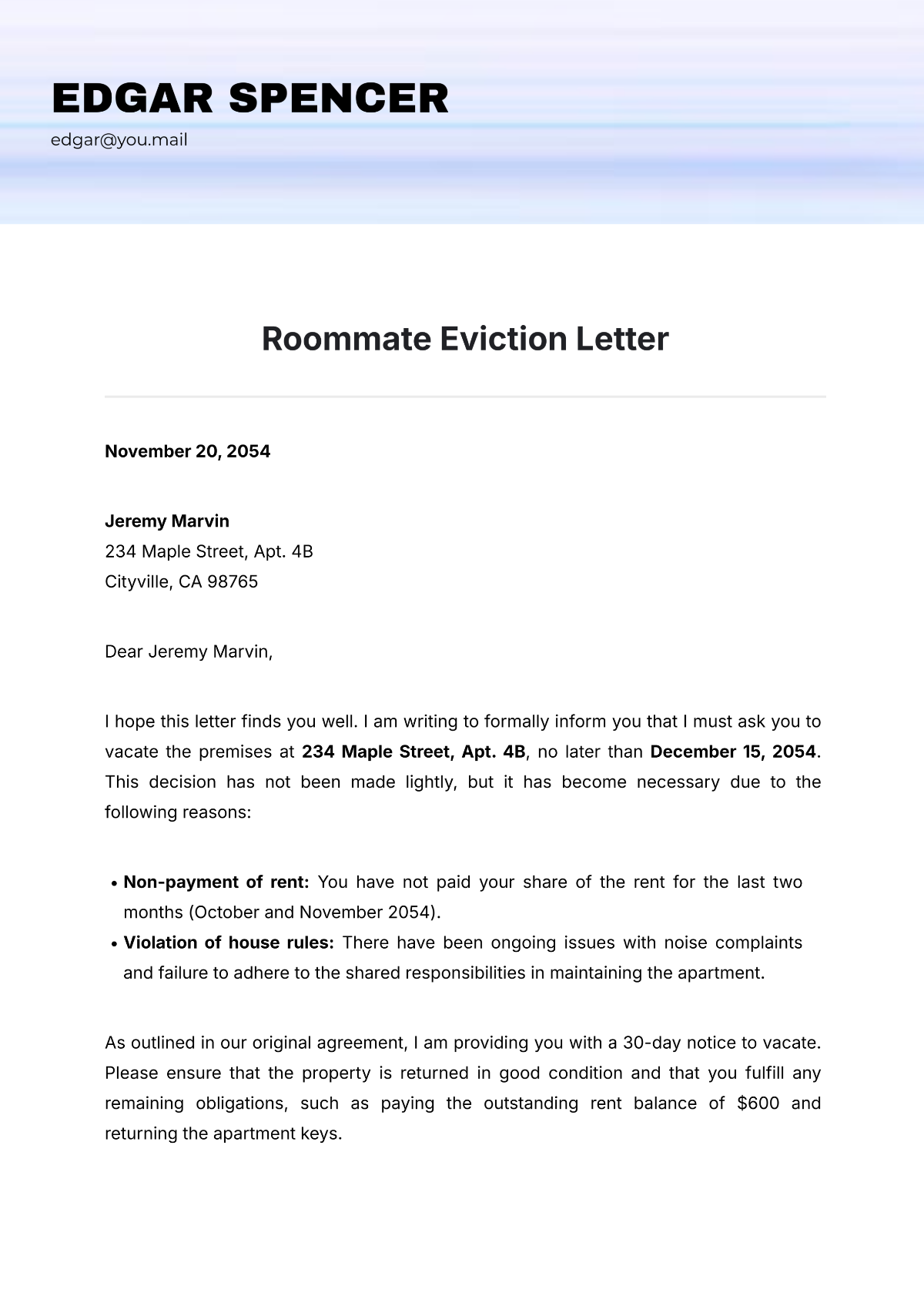
Once you’ve understood the legal landscape and prepared your case, the next step is to formally notify your former partner of your intention to have them vacate the premises. This is where a well-structured boyfriend roommate eviction notice template becomes invaluable. This document serves as a formal, written communication, outlining the expectation for them to move out by a specific date, and is a crucial piece of evidence if the situation ever escalates to court. It demonstrates that you have followed due process.
The notice itself should be clear, concise, and unambiguous. It must contain specific information to be legally valid and effective. While specific requirements can vary by jurisdiction, here is a general list of what your notice should include:
- Your full name and the address of the property from which your ex-partner is being asked to leave.
- Your ex-partner’s full legal name.
- A clear statement that they are required to vacate the premises.
- The specific date by which they must move out. This date must align with the minimum notice period required by your local laws (e.g., 30 days from the date of service).
- The reason for the eviction, if your local laws require one for “at-will” tenants or licensees (common reasons include “termination of tenancy at will” or “no longer a welcome guest”).
- A statement regarding the retrieval of their belongings and any conditions related to it.
- Your signature and the date the notice is prepared.
Delivering the notice correctly is just as important as drafting it accurately. You need proof that your ex-partner received the notice. Common methods include certified mail with a return receipt requested, personal service by a neutral third party (like a friend or professional process server) who can sign an affidavit of service, or by taping it to the door and also sending it via first-class mail if local laws permit. Avoid simply handing it to them without any proof of delivery, as they could later claim they never received it. Keeping a copy of the notice for your records, along with any proof of delivery, is absolutely essential.
Navigating the complexities of asking a former partner to leave your shared home is undoubtedly one of life’s more challenging experiences. It demands a delicate balance of emotional resolve and strict adherence to legal procedure. By understanding your rights, meticulously preparing, and utilizing a proper notice, you are taking a crucial step towards regaining control of your living situation and your peace of mind.
While the emotional toll of such a situation can be heavy, remember that following a structured, legal approach not only protects you but also sets a clear, unambiguous path forward. It ensures fairness and prevents misunderstandings that could lead to further complications. Taking these steps is about asserting your right to a comfortable and secure living environment, free from the lingering issues of a past relationship.