Running a successful commercial pest control business means more than just being great at eradicating pests; it also involves setting clear expectations and protecting your business with proper documentation. That is why having a robust commercial pest control contract template is absolutely essential for every service provider in this industry. It acts as the backbone of your client relationships, ensuring both parties understand their roles and responsibilities from the outset.
Without a well-defined contract, you leave your business vulnerable to misunderstandings, disputes, and potential legal complications. Imagine a situation where a client disputes the scope of work or payment terms because nothing was formally agreed upon. Such scenarios can be costly, time consuming, and damaging to your reputation.
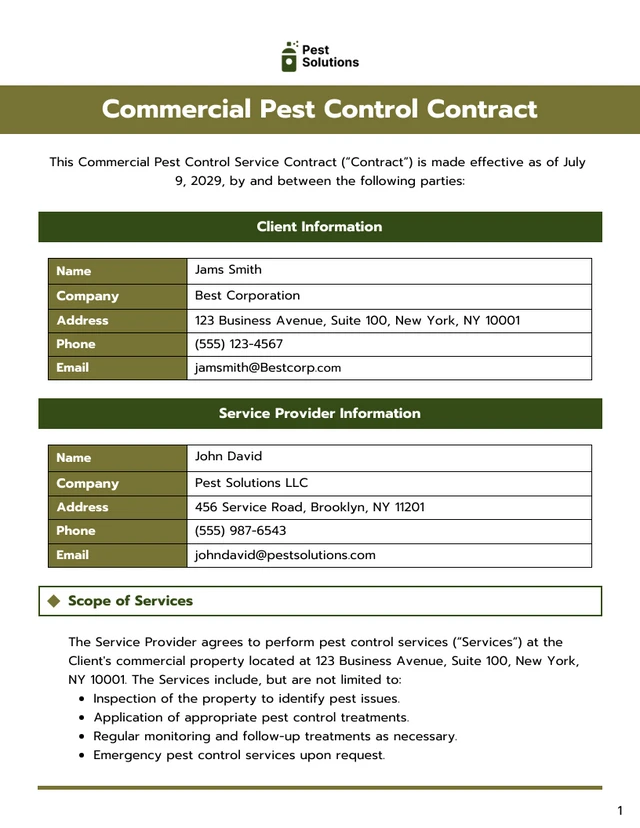
A well-crafted contract template not only mitigates these risks but also demonstrates your professionalism and commitment to providing high quality service. It establishes a clear framework for every engagement, fostering trust and ensuring smooth operations for both you and your commercial clients. Let’s delve into what makes an effective contract and why it’s so important.
What to Include in Your Commercial Pest Control Contract Template
Crafting a comprehensive commercial pest control contract template requires careful attention to detail, ensuring all vital aspects of the service agreement are covered. This document serves as the legal blueprint for your working relationship with commercial clients, from restaurants and hotels to offices and warehouses. It needs to be precise, leaving no room for ambiguity.
Parties Involved
The contract should clearly identify all parties engaged in the agreement. This means providing the full legal names and addresses of both the pest control service provider and the commercial client. Include relevant contact information for key individuals who will be responsible for communication and decision making on both sides.
Scope of Services
This section is arguably one of the most critical. It must meticulously outline the exact pest control services that will be rendered. Specify the types of pests covered (e.g., rodents, insects, termites), the treatment methods to be employed, the frequency of scheduled visits, and any specific areas of the client’s property that are included or excluded from the service. Be as detailed as possible to prevent any future disagreements about what was promised.
Service Schedule and Term
Clearly state the start date of the contract and its duration. Will it be for a fixed term, for example, one year, with an option to renew? Or will it be an ongoing service with a rolling notice period? Detail the schedule for regular service visits, including the specific days or frequency (e.g., monthly, quarterly). Also, include provisions for emergency call outs or additional services outside the regular schedule, and how these will be handled.
Payment Terms
Financial clarity is paramount. This part of the contract should detail the pricing structure for your services, whether it’s a fixed monthly fee, per visit charge, or based on the extent of the infestation. Specify the invoicing frequency, due dates for payments, and any penalties for late payments. Clearly state accepted payment methods and any upfront deposits required.
Warranties and Guarantees
Define any guarantees or warranties you offer regarding the effectiveness of your pest control treatments. For example, if a pest problem reoccurs within a certain timeframe after treatment, will you provide additional service at no extra charge? Clearly outline the conditions under which these guarantees apply and any limitations.
Indemnification and Liability
This crucial section protects both parties. It typically outlines who is responsible in the event of property damage, injury, or other losses arising from the pest control services. Specify your insurance coverage and require the client to also hold adequate insurance. This helps in distributing risk appropriately and can prevent costly litigation.
Termination Clauses
Every good contract needs a clear exit strategy. Outline the conditions under which either party can terminate the agreement, including required notice periods, breaches of contract that can lead to termination, and any fees or responsibilities that remain upon termination. This ensures a professional and orderly conclusion to the business relationship if needed.
Why a Well Structured Contract Matters
A well structured commercial pest control contract template is more than just a legal formality; it’s a powerful business tool that provides clarity, protection, and a foundation for strong client relationships. It eliminates guesswork, ensuring that both the service provider and the client are on the same page regarding expectations and obligations. This upfront clarity significantly reduces the likelihood of misunderstandings and disputes, which can be incredibly damaging to a business.
Furthermore, a comprehensive contract serves as a critical layer of legal protection for your business. It clearly defines responsibilities and liabilities, safeguarding you against potential lawsuits or claims. Should an unforeseen issue arise, the contract provides a clear reference point, often simplifying resolutions and avoiding prolonged conflicts. It acts as an undisputed record of what was agreed upon.
Ultimately, presenting a professional and detailed contract elevates your business’s image. It shows clients that you are organized, serious about your work, and committed to transparency. This level of professionalism builds trust and confidence, encouraging long term partnerships and positive referrals within the commercial sector.
Having a meticulously prepared contract is not just about safeguarding against worst-case scenarios; it’s about building a foundation of trust and clarity that strengthens your business relationships. It ensures that every service delivery is smooth, professional, and understood by all involved.
Investing time in developing a robust commercial pest control contract template pays dividends in peace of mind and operational efficiency. It allows you to focus on delivering excellent pest control services, confident that the administrative and legal aspects of your client relationships are securely managed, paving the way for sustained growth and success.