Navigating the financial landscape of construction projects can feel like walking a tightrope. One misstep, especially concerning payments, can lead to significant delays, disputes, and even legal action. This is where a formal payment notice comes into play, acting as a critical communication tool that ensures everyone is on the same page regarding what is due and when. It is not just good practice; in many jurisdictions, it is a legal requirement designed to maintain cash flow throughout the supply chain.
For anyone involved in construction, from main contractors to subcontractors and suppliers, understanding and correctly issuing these notices is paramount. They are the backbone of financial certainty on a project, preventing ambiguity and protecting your right to payment. Missing a deadline or issuing an incorrect notice can have severe consequences, potentially forfeiting your claim or complicating recovery efforts down the line.
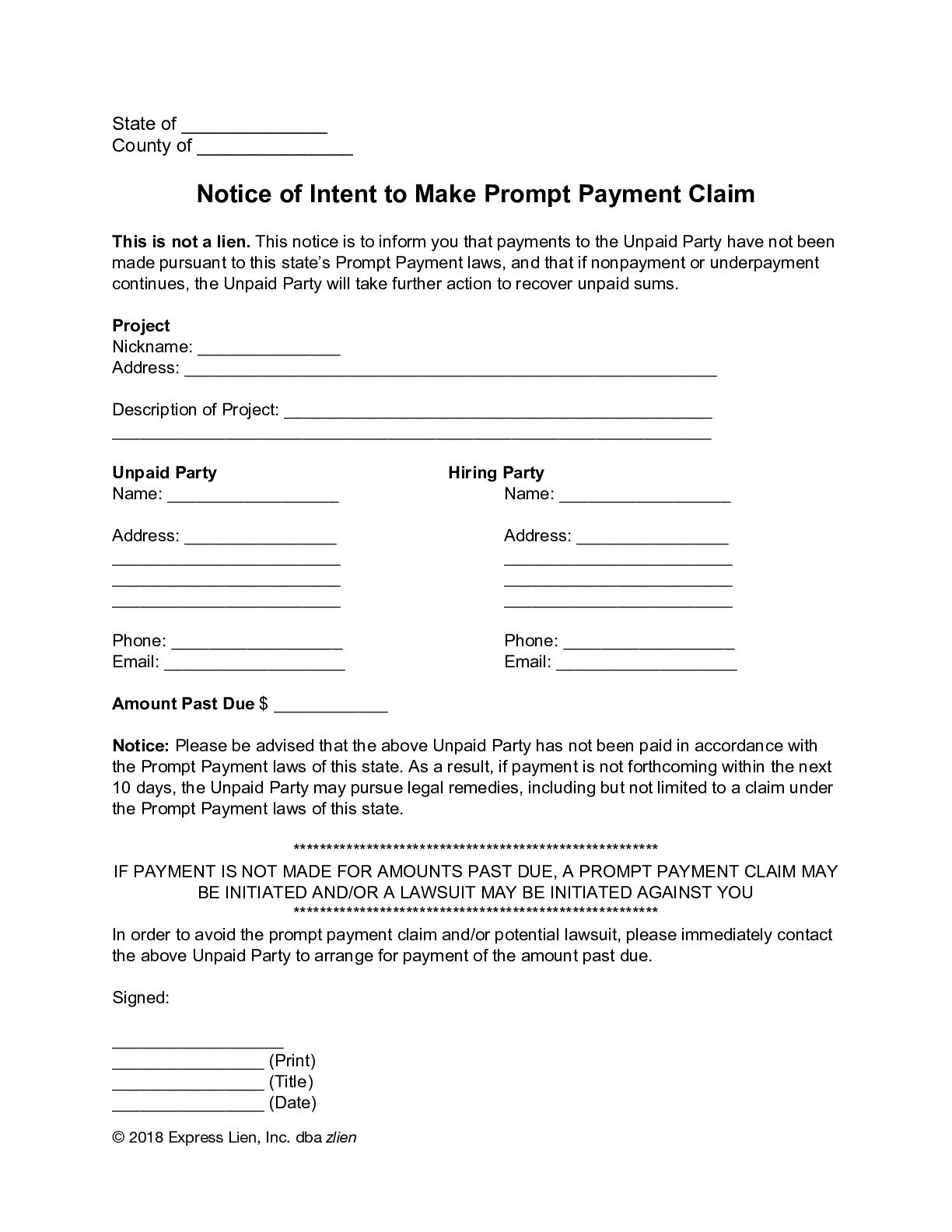
That is why having a reliable construction act payment notice template at your fingertips is not just convenient; it is an absolute necessity. It empowers you to meet your statutory obligations, communicate effectively, and safeguard your financial interests without having to draft a complex legal document from scratch every single time. It brings consistency and compliance to a process that demands precision.
The Indispensable Role of Payment Notices in Construction
Payment notices are more than just invoices; they are formal declarations that trigger specific payment obligations and timelines under relevant construction legislation, such as the UK’s Housing Grants, Construction and Regeneration Act (HGCRA) or similar acts in other common law countries. These acts are designed to improve cash flow in the construction industry by making sure payments are made on time and that disputes can be resolved quickly. Essentially, they lay out a clear framework for when and how payments should be requested and disputed.
The core idea is to establish a clear payment schedule and mechanism. When a payment is due, the party making the payment application issues a payment notice specifying the amount due. If the paying party believes a different amount is due, they must issue a pay less notice by a specific deadline, outlining their reasons. Failure to issue either of these correctly and on time can lead to significant repercussions, including the paying party being liable for the full amount claimed in the payment application.
Getting this right is crucial for maintaining healthy financial relationships on a project. It reduces misunderstandings and provides a formal record of payment intentions, which can be invaluable if a dispute arises. Think of it as a transparent ledger for what is being claimed and what is being paid, all backed by legal statutes. It builds trust and encourages fairness across all tiers of the construction supply chain.
What Makes a Payment Notice Legally Robust
A legally sound payment notice is not just a simple note; it needs to contain specific information to be effective under most construction acts. Overlooking any of these details could render your notice invalid, leaving you vulnerable.
Here are the key components you absolutely need to include:
- Identification of Parties: Clearly state who the notice is from and who it is for, including full legal names and addresses.
- Project Details: Specify the project name, location, and any relevant contract reference numbers.
- Payment Due Date: This is critical. State the precise date by which payment is expected.
- Assessment Date: The period to which the payment claim relates must be clear.
- Amount Due: Clearly state the sum being claimed, often broken down into various components like work done, materials on site, retention, and VAT.
- Basis of Calculation: Provide a clear breakdown or explanation of how the amount has been calculated. This might refer to valuations, completed milestones, or specific deliverables.
- Statutory Reference: While not always explicitly required to state the act, aligning your notice with the requirements of the relevant Construction Act is implicit and fundamental.
- Signature and Date: The notice should be signed by an authorized representative and dated.
By ensuring all these elements are present and accurate, you are significantly strengthening your legal position and reducing the likelihood of your payment claim being challenged on procedural grounds. It ensures clarity and adherence to the legal framework designed to protect your interests.
Why a Construction Act Payment Notice Template is a Game Changer
In the fast-paced world of construction, efficiency and accuracy are paramount. This is precisely where a pre-designed construction act payment notice template becomes an invaluable asset for any business. Instead of spending precious time drafting these notices from scratch for every single payment cycle, a template allows for rapid, consistent, and compliant document generation. It acts as a safety net, ensuring no critical information is accidentally overlooked, which could otherwise invalidate your claim or lead to lengthy payment delays.
Think about the sheer volume of payment applications and notices that flow through a construction project. Manually creating each one introduces a higher risk of human error, whether it is a missed deadline, an incorrect sum, or an omitted piece of statutory information. A template standardizes the process, providing a consistent format that automatically prompts you for all the necessary details, significantly reducing the chances of costly mistakes and potential disputes arising from administrative oversights.
Beyond just saving time, a well-structured template also ensures legal compliance. It is designed to incorporate all the mandatory requirements of the relevant Construction Act, allowing you to confidently issue notices that stand up to scrutiny. This peace of mind is immeasurable, freeing up your team to focus on project execution rather than getting bogged down in intricate legal documentation. It ultimately contributes to smoother project finances and stronger professional relationships across the supply chain.
Embracing the use of a robust payment notice template is a proactive step towards greater financial health and operational efficiency within your construction business. It streamlines a critical administrative task, ensures legal adherence, and provides a clear, undeniable record of payment intentions and claims. By integrating such a tool into your workflow, you are not just managing payments; you are strategically safeguarding your project’s financial stability and mitigating potential future conflicts.