Venturing into international employment is an exciting prospect for both companies and individuals, yet it comes with a unique set of complexities that domestic contracts simply cannot address. This is where a specialized expatriate contract of employment template becomes an indispensable tool. It serves as the bedrock for a successful international assignment, ensuring clarity, security, and legal compliance for all parties involved.
Unlike standard employment agreements, an expatriate contract must account for a myriad of factors unique to working abroad. These include different legal jurisdictions, tax implications, currency fluctuations, relocation logistics, and specific allowances designed to support an employee and their family in a foreign environment. Ignoring these critical elements can lead to misunderstandings, disputes, and significant financial or legal repercussions down the line.
Crafting such a document requires careful consideration and an understanding of international labor laws, immigration regulations, and the specific needs of an expatriate workforce. It’s about more than just outlining job responsibilities and salary; it’s about providing a comprehensive framework that supports a smooth transition, sustained performance, and a clear pathway for both the duration of the assignment and its conclusion.
Crafting the Perfect Expatriate Employment Agreement
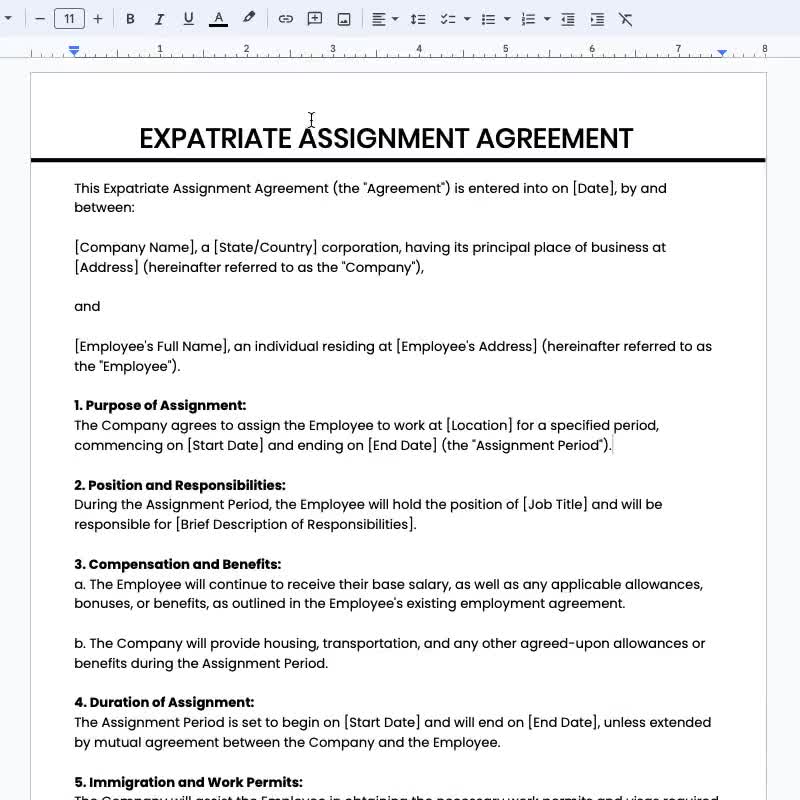
Developing a robust expatriate employment agreement begins with incorporating the fundamental elements of any employment contract, such as the parties involved, job title, duties, and commencement date. However, the real value of an expatriate contract lies in its ability to address the unique circumstances of international deployment. It meticulously details the scope of the assignment, specifying the host country, the duration of the posting, and any conditions for extension or early termination. Clarity on these points is paramount to prevent ambiguity and ensure both employer and employee are aligned on the assignment’s trajectory.
Compensation and benefits form a cornerstone of any expatriate agreement, and this section is often far more intricate than a domestic counterpart. Beyond base salary, an expatriate contract typically outlines various allowances crucial for maintaining a quality of life comparable to their home country. These might include housing allowances, cost-of-living adjustments (COLA), education allowances for dependent children, and mobility premiums. Detailing how these benefits are calculated, paid, and potentially adjusted over time is vital for the employee’s financial security and peace of mind.
Taxation is another complex area that requires explicit attention. Expatriate contracts often include provisions for tax equalization or tax protection, ensuring that the employee is not financially disadvantaged by working in a foreign country with different tax structures. This involves outlining who is responsible for paying taxes in both the home and host countries, and how any discrepancies will be managed to maintain fairness. Legal and accounting professionals are often involved in drafting these clauses to ensure full compliance and transparency.
Relocation packages are also a critical component, covering the practicalities of moving. This section usually details expenses related to international travel, shipping household goods, temporary accommodation upon arrival, and assistance with visa and work permit applications. A well-defined relocation policy minimizes stress for the employee and their family, allowing them to focus on adapting to their new environment and role without undue logistical burdens.
The contract must also clearly define the terms of repatriation. What happens when the international assignment concludes? This section outlines provisions for the employee’s return to their home country or a new posting, including return travel expenses, assistance with housing, and potential re-entry bonuses or severance packages. Planning for the end of an assignment from the outset provides a clear pathway and reduces uncertainty for the expatriate.
Finally, governing law and dispute resolution clauses are indispensable. Given the cross-border nature of expatriate employment, specifying which country’s laws will govern the contract and outlining the process for resolving any disputes (e.g., arbitration, mediation, or jurisdiction of a specific court) is crucial. This proactive approach helps to avoid complex international legal battles and provides a clear framework for addressing disagreements efficiently and fairly.
Key Considerations for Employers and Employees
From an employer’s perspective, a comprehensive expatriate contract mitigates risk, ensures legal compliance across multiple jurisdictions, and helps attract and retain top talent for international assignments. A well-structured agreement demonstrates a company’s commitment to its employees’ welfare and professional development abroad. It provides a clear roadmap for managing the assignment, setting expectations, and safeguarding the company’s interests by addressing potential liabilities such as tax obligations, social security contributions, and compliance with local labor laws.
For the employee, the expatriate contract of employment template is their safety net and guide. It provides essential security and clarity regarding their compensation, benefits, and conditions of service in a foreign land. Understanding every clause, from health insurance and emergency evacuation provisions to career development opportunities post-assignment, empowers the expatriate to make informed decisions and focus on their new role with confidence. It also ensures that personal and family considerations, such as spousal employment support or schooling for children, are acknowledged and addressed.
Ultimately, a successful expatriate assignment hinges on transparency and mutual understanding, which a diligently crafted contract facilitates. Both parties should engage with the document thoroughly, seeking legal advice if necessary, to ensure all terms are fair, understood, and legally sound. This proactive approach fosters a strong, trust-based relationship, leading to productive and fulfilling international experiences.
A well-prepared expatriate contract of employment template is more than just a legal document; it’s a strategic tool that underpins the success of international endeavors. It safeguards the interests of both the organization and the individual, creating a transparent and supportive framework for working across borders. By meticulously addressing the unique challenges and opportunities of international assignments, it ensures a smoother transition, clearer expectations, and greater job satisfaction.
Investing time and resources into developing a robust and comprehensive expatriate agreement pays dividends by preventing misunderstandings, minimizing legal risks, and fostering a positive working relationship. It is an essential component for any organization looking to thrive in a globalized marketplace and for any professional embarking on an exciting international career path.