Navigating the complexities of landlord-tenant law can often feel like deciphering a secret code, especially when you find yourself in a situation where a tenant isn’t holding up their end of the bargain. In Florida, specific procedures must be followed to legally reclaim your property, and one of the most critical initial steps involves serving proper notice. This isn’t just a suggestion; it’s a legal requirement that lays the groundwork for any further action.
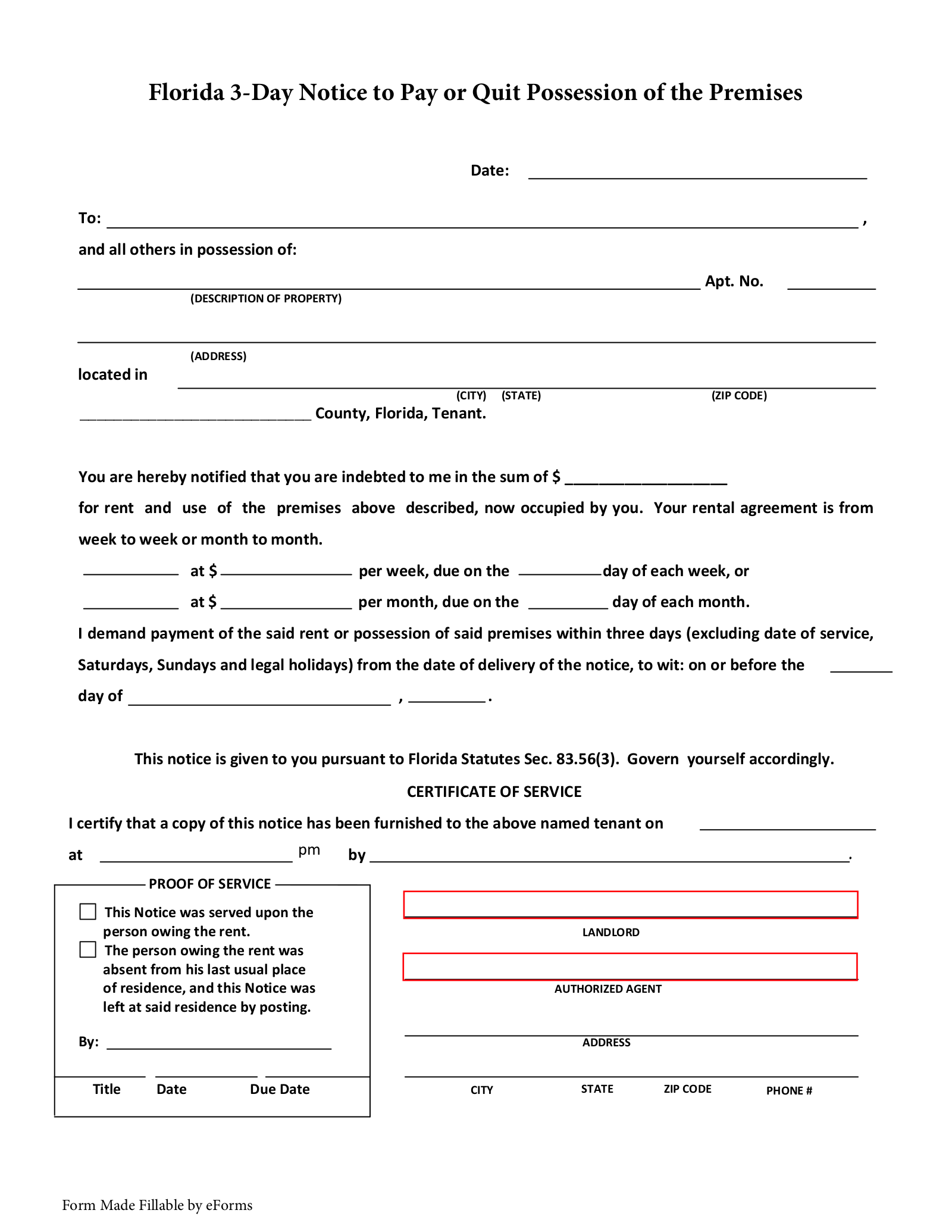
When rent goes unpaid, a landlord’s primary tool to initiate the eviction process is the 3-day notice. This document, often referred to as a Florida 3 day notice template, serves as a formal demand for payment or possession of the property. It’s the first official communication that signals a serious issue, giving the tenant a final opportunity to rectify the situation before legal proceedings escalate.
Understanding exactly what this notice entails, how to fill it out correctly, and the precise manner in which it must be served is absolutely crucial. Mistakes at this stage can lead to significant delays, added expenses, and frustration, potentially setting you back weeks or even months in the eviction process. It’s about more than just a piece of paper; it’s about adhering to the law to protect your rights as a property owner.
Understanding the Florida 3 Day Notice to Pay Rent or Quit
The Florida 3-day notice to pay rent or quit is a cornerstone of the eviction process in the Sunshine State, specifically designed for situations where a tenant has failed to pay their rent. This notice is a mandatory legal prerequisite before a landlord can file an eviction lawsuit in court. Its primary purpose, as outlined in Florida Statute 83.56, is to inform the tenant that they are in violation of their lease agreement due to non-payment of rent and to provide them with a short window of time to either pay the outstanding amount or vacate the premises.
Landlords should deploy this notice exclusively for non-payment of rent. It’s not the correct tool for other lease violations, such as unauthorized pets, property damage, or noise complaints. Using the wrong type of notice can render the entire process invalid and force you to start over. Therefore, identifying the exact nature of the lease violation is the very first step in choosing the appropriate legal document.
For a 3-day notice to be legally sound and enforceable, it must contain several essential pieces of information. Omitting any of these details could provide the tenant with grounds to challenge the notice in court, potentially delaying or even derailing your eviction efforts. Accuracy and completeness are paramount when drafting this document.
Key Information to Include in Your Notice
- Landlord’s Name and Address: Clearly identify who is issuing the notice.
- Tenant’s Name and Address: The full legal name of the tenant(s) and the specific address of the rental unit.
- Property Address: The complete address of the rental property.
- Exact Amount of Rent Due: Specify the precise dollar amount of unpaid rent. This should not include late fees, utilities, or other charges not considered “rent” under the lease.
- Date the Notice is Issued: The calendar date when the notice is prepared and sent.
- A Clear Statement that the Tenant Must Pay or Vacate: Explicitly state that the tenant has three days to either pay the rent in full or move out of the property.
- The Three-Day Period for Compliance: Clearly communicate the deadline, which excludes weekends and legal holidays.
- Landlord’s Signature: The landlord or their authorized agent must sign the notice.
One of the most frequently misunderstood aspects of the 3-day notice is the calculation of the three-day period. It’s not simply three consecutive days from the date of issue. Florida law mandates that weekends and legal holidays are excluded from this calculation. For example, if you serve the notice on a Friday, Saturday and Sunday do not count, meaning the three days would begin on Monday and conclude on Wednesday. Failing to calculate this period correctly can invalidate the notice.
Once you have meticulously filled out the notice, the next crucial step is proper service. Florida law permits several methods for delivering the 3-day notice. You can personally deliver it to the tenant, mail it, or, if the tenant is absent from the premises, post it conspicuously on the property. It’s often advisable to use a method that provides proof of delivery, such as certified mail with a return receipt or hand delivery by a third party who can serve as a witness.
Should the three-day period expire without the tenant paying the overdue rent or vacating the property, the landlord can then proceed with filing an eviction lawsuit in the appropriate Florida county court. This is where the accuracy and proper service of your initial 3-day notice become critical, as it will be a primary piece of evidence in your case.
Common Mistakes to Avoid When Using a Florida 3 Day Notice
Even with the best intentions, landlords sometimes make critical errors when preparing and serving a 3-day notice, and these mistakes can be costly. What might seem like a minor oversight can lead to the notice being deemed legally insufficient, forcing you to start the entire process anew and significantly delaying your ability to regain possession of your property. Understanding these common pitfalls is vital for a smooth and lawful eviction process.
One of the most frequent errors is an incorrect calculation of the three-day period, as previously mentioned. Landlords sometimes forget to exclude weekends and legal holidays, providing the tenant with less time than legally required. Another common mistake involves the amount requested; the notice must only demand past-due rent. Including late fees, utility charges, or other non-rent items in the demanded amount can invalidate the notice entirely, as the statute specifically refers to “rent.”
Furthermore, improper service of the notice can also derail your efforts. Simply leaving the notice under a doormat or sending it via regular mail without proof of delivery might not stand up in court. Using the wrong type of notice for the violation, such as using a 3-day notice for property damage instead of a 7-day notice for non-rent violations, is also a serious error.
Using a reliable florida 3 day notice template can help mitigate many of these risks by guiding you through the required information and formatting. However, templates are only as good as the information you input and the understanding you have of the legal process. It’s always wise to double-check all details and, when in doubt, consult with an attorney specializing in landlord-tenant law in Florida to ensure compliance and protect your interests.
Taking the time to understand and correctly execute each step of the notice process is an investment in your property and your peace of mind. It ensures that when legal action becomes necessary, you have a solid foundation to present your case. This meticulous approach prevents unnecessary delays and helps you resolve tenant issues efficiently and legally.