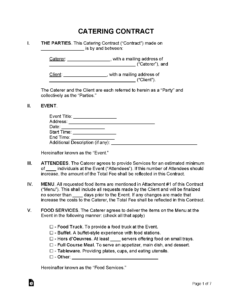
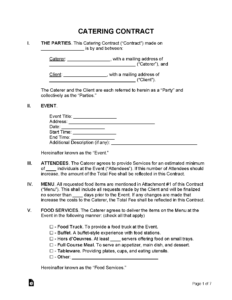
In today’s fast-paced world, where convenience is king, food delivery services have become indispensable for countless restaurants and customers alike. But beneath the seamless ordering apps and speedy doorstep deliveries lies a complex ecosystem that demands clarity and protection for all parties involved. This is precisely where a robust food delivery service contract template becomes not just useful, but absolutely essential for any business operating in or partnering with the delivery sector.
Without a clear, legally sound agreement, businesses risk a multitude of misunderstandings, disputes, and potential financial losses. Imagine a scenario where delivery times are consistently missed, or food quality is compromised during transit, and there’s no predefined protocol for accountability. These situations can quickly sour business relationships, damage reputations, and even lead to costly legal battles, all of which could be avoided with proper documentation.
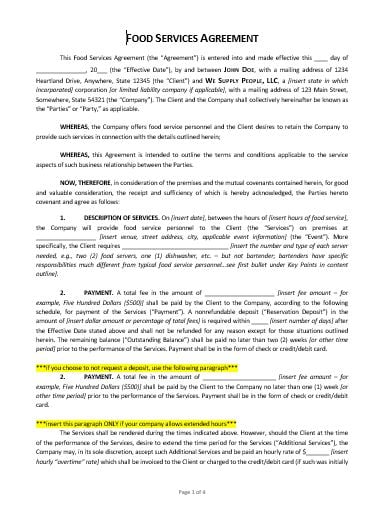
This article will guide you through the crucial components and considerations for crafting an effective agreement, ensuring that your delivery operations run smoothly, professionally, and with minimized risk. Whether you’re a restaurant looking to partner with a delivery fleet or a delivery service expanding your client base, understanding these elements is your first step towards secure and successful collaborations.
Why a Solid Food Delivery Contract is Your Business’s Best Friend
A well-drafted food delivery contract serves as the backbone of any successful partnership between a food provider and a delivery service. It sets clear expectations, defines responsibilities, and provides a framework for resolving issues, ultimately safeguarding the interests of both parties. Think of it as your detailed roadmap, preventing detours and ensuring everyone stays on the same path towards shared success.
One of the primary benefits is establishing a clear scope of services. This section outlines exactly what the delivery service is expected to do, from picking up orders to delivering them within specific timeframes and conditions. It can include details about packaging requirements, temperature control, and even customer interaction protocols. By defining these parameters upfront, both parties know precisely what is expected of them, reducing ambiguity and potential disputes down the line.
Defining the Scope of Services
This critical part of your agreement specifies the exact nature of the delivery tasks. Will the delivery service handle only transport, or will they also assist with order aggregation, payment processing, or customer support? Clarifying these details leaves no room for guesswork, ensuring that the service provided aligns perfectly with the restaurant’s needs and the customer’s expectations.
Payment Terms and Compensation
Another cornerstone of any contract is the financial arrangement. This section should explicitly detail how the delivery service will be compensated. Will it be a flat fee per delivery, a percentage of the order value, or a subscription-based model? It should also cover payment schedules, invoicing procedures, and any penalties for late payments. Transparent payment terms are crucial for maintaining a healthy and mutually beneficial business relationship.
Liability and Insurance
Accidents happen, and when they involve food delivery, questions of liability can quickly arise. Who is responsible if an order is damaged, lost, or delivered incorrectly? A comprehensive contract will clearly delineate liability for various scenarios and stipulate insurance requirements for both parties. This ensures that in the event of unforeseen circumstances, adequate protection is in place, covering everything from property damage to potential personal injury claims.
Term and Termination
Every business relationship needs a defined beginning and end, or at least a clear process for concluding it. This part of the contract specifies the duration of the agreement, whether it’s for a fixed term or on an ongoing basis. It also outlines the conditions under which either party can terminate the agreement, including notice periods, breaches of contract, and consequences of early termination. Having these provisions in place provides security and a clear exit strategy if the partnership doesn’t work out as planned.
Confidentiality and Data Protection
In an age where data is invaluable, protecting sensitive information is paramount. A good food delivery service contract template will include clauses on confidentiality, ensuring that proprietary business information, customer data, and trade secrets are kept secure. This protects both the restaurant’s business model and the customer’s personal details, fostering trust and compliance with data protection regulations.
Key Elements to Include in Your Template
Creating a comprehensive delivery contract can feel daunting, but by focusing on key elements, you can ensure that your agreement is robust and covers all necessary bases. These components are designed to protect your interests, define the relationship, and set a clear operational framework.
A well-structured agreement minimizes misunderstandings and provides a legal safety net. It’s about more than just paperwork; it’s about creating a foundation of trust and accountability. When both parties clearly understand their roles, responsibilities, and the terms of engagement, the partnership is far more likely to succeed and grow.
Consider including the following crucial elements to make your contract thorough and effective:
- Parties Involved: Full legal names and contact information for both the restaurant/food provider and the delivery service.
- Scope of Services: Detailed description of the delivery services to be provided, including geographical areas, operating hours, and specific handling instructions.
- Payment Terms: Clear outline of fees, payment schedule, invoicing methods, and any late payment penalties.
- Delivery Logistics: Provisions for order placement, tracking, delivery windows, proof of delivery, and handling of undeliverable orders.
- Quality Standards: Expectations regarding food handling, temperature control, driver professionalism, and customer service.
- Insurance and Indemnification: Requirements for insurance coverage for both parties and clauses detailing how liabilities will be shared or assumed.
- Confidentiality: Obligations to protect sensitive business information and customer data.
- Term and Termination: The duration of the agreement and conditions under which it can be terminated by either party.
- Independent Contractor Status: Clarification that the delivery service and its drivers are independent contractors, not employees.
- Dispute Resolution: Procedures for resolving conflicts, such as mediation or arbitration, before resorting to litigation.
- Governing Law: The jurisdiction whose laws will govern the contract.
- Force Majeure: Clauses that address unforeseen circumstances (e.g., natural disasters) that may prevent performance.
Investing time in drafting a thorough contract today will save you immeasurable time, stress, and potential costs tomorrow. It establishes a professional framework that supports scalable growth and fosters strong, reliable partnerships in the competitive food delivery landscape. Think of it as an investment in your business’s future stability and success.
By thoughtfully addressing each of these points, you create a document that not only protects your interests but also promotes clear communication and mutual respect. This comprehensive approach ensures that all parties can focus on what they do best: providing excellent food and reliable service to delighted customers.