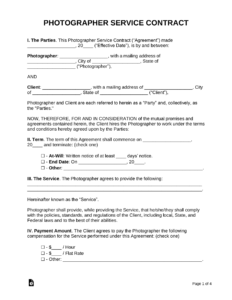
Stepping into the world of freelance photography is exhilarating, filled with creative freedom and exciting opportunities. However, navigating the business side of things can sometimes feel like a blurry shot. One of the most crucial tools for any successful freelance photographer is a well-crafted contract. This document serves as your professional shield, protecting your interests, clarifying expectations, and ensuring a smooth working relationship with every client. Finding the right freelance photography contract template can make all the difference, transforming potential headaches into clear, actionable agreements.
Think of a contract not as a rigid formality, but as a roadmap for both you and your client. It lays out the journey of your project together, detailing everything from the creative vision to the practical logistics. Without one, you’re essentially operating on verbal agreements and assumptions, which can easily lead to misunderstandings about payment, deliverables, usage rights, and even cancellations. These ambiguities can quickly escalate into stressful situations that impact your reputation and your bottom line.
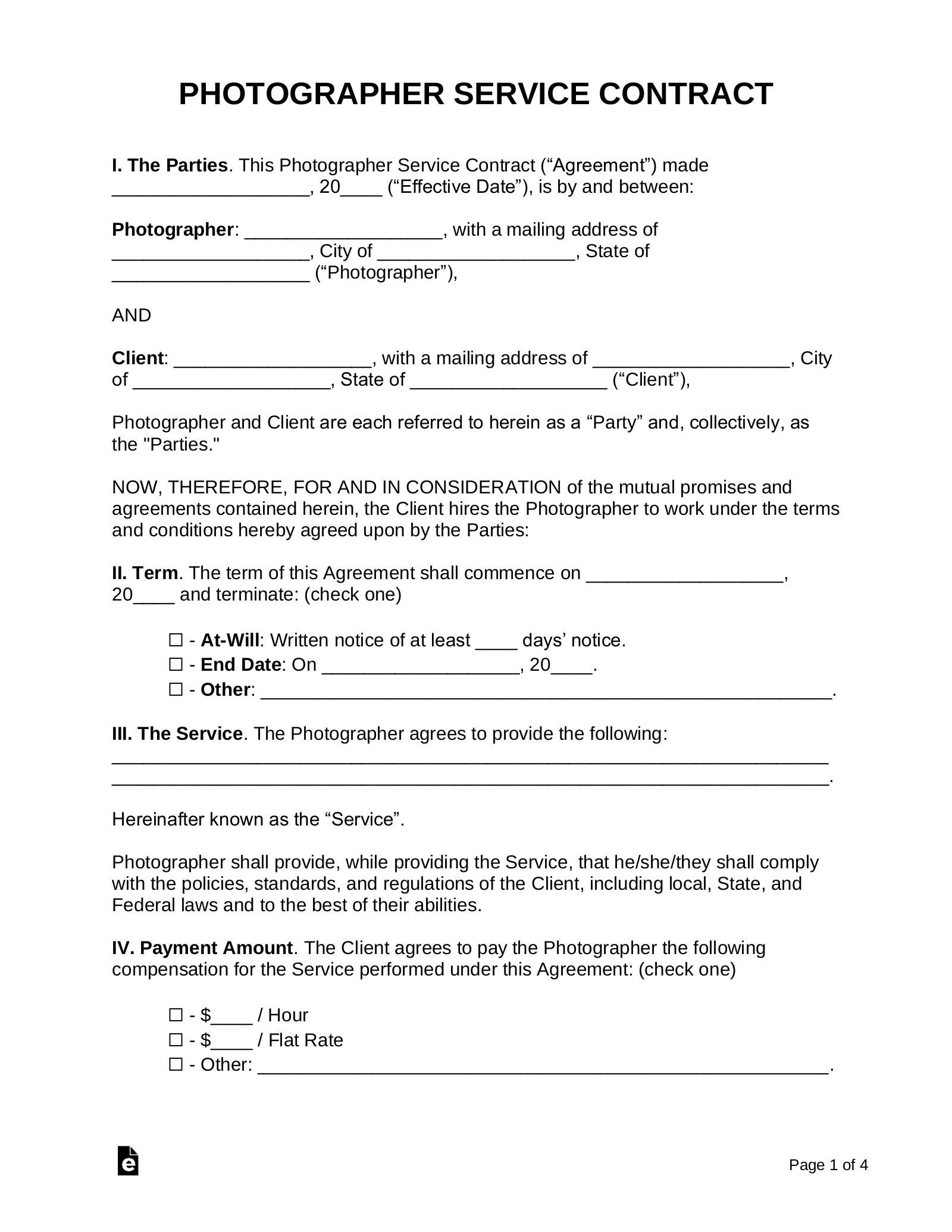
That’s why understanding what goes into a robust photography contract is so important. Whether you’re shooting weddings, portraits, commercial products, or editorial assignments, having a solid agreement in place safeguards your creative work and your financial stability. It empowers you to focus on what you do best – capturing stunning images – with the confidence that your business is secure.
Why Every Freelance Photographer Needs a Solid Contract
For many creative professionals, the idea of legal paperwork can feel daunting and perhaps even stifle the artistic spirit. However, embracing contracts is one of the most professional and empowering steps you can take for your freelance photography business. It’s not about mistrust; it’s about mutual respect and clarity, setting clear boundaries and expectations for all parties involved. A well-defined agreement can prevent countless disputes, saving you time, money, and emotional energy down the line.
Protecting Your Payments and Income
One of the most common issues freelancers face revolves around payment. A contract explicitly states your fees, payment schedule, deposit requirements, and what happens in case of late payments. It also covers crucial aspects like cancellation policies and rescheduling fees. Imagine a client cancels at the last minute, leaving you with a lost booking and no income for that day. A contract with a clear cancellation clause ensures you’re compensated for your time and the opportunity cost. This financial safety net is invaluable for maintaining a sustainable business.
Defining the Scope of Your Creative Work
Creative projects often evolve, but without a clear scope of work defined in a contract, these evolutions can lead to scope creep – where the project grows beyond the initial agreement without additional compensation. Your contract should detail exactly what services you will provide, the number of images, the format of delivery, revision limits, and timelines. This clarity ensures that both you and the client are on the same page regarding the deliverables, avoiding disputes about extra work that wasn’t initially agreed upon.
Understanding Copyright and Image Usage
Copyright is a cornerstone of a photographer’s business. Your contract is where you outline who owns the copyright to the images and, crucially, how the client is permitted to use them. Will they be for personal use only? Commercial advertising? Social media? Defining these usage rights explicitly protects your intellectual property and allows you to license your work appropriately, preventing unauthorized use that could devalue your photography. It also clarifies if you retain the right to use the images for your own portfolio and marketing.
Addressing Cancellations and Rescheduling
Life happens, and sometimes shoots need to be cancelled or rescheduled. A comprehensive contract anticipates these situations and outlines the procedures and associated fees. This includes policies for client-initiated cancellations, force majeure clauses (for unavoidable events like severe weather or natural disasters), and how rescheduling will be handled. Having these terms agreed upon beforehand removes ambiguity and provides a framework for fair resolution should such circumstances arise, protecting both your time and your client’s investment.
Key Elements to Look For in Your Freelance Photography Contract Template
When you’re sifting through various options for a freelance photography contract template, it’s vital to recognize the core components that make it effective. A good template isn’t just a formality; it’s a strategic document that shields your interests and streamlines your client relationships. It should be comprehensive enough to cover typical scenarios but also flexible enough to adapt to unique project requirements.
Look for a template that clearly outlines the following essential clauses:
- Parties Involved: Full legal names and contact information for both the photographer and the client.
- Project Details: A thorough description of the photography services, date, time, location, and specific deliverables.
- Payment Terms: Total fees, deposit amount, payment schedule, accepted payment methods, and late payment penalties.
- Cancellation and Rescheduling Policy: Clear terms for how cancellations are handled by either party, including any retained fees.
- Delivery of Images: Specifics on how and when the final images will be delivered (e.g., online gallery, USB), file format, and resolution.
- Usage Rights and Licensing: Defines who owns the copyright, how the client can use the images, and any restrictions or additional licensing fees.
- Liability and Indemnification: Clauses protecting you from certain liabilities during the shoot and outlining responsibilities.
- Cooperation Clause: Details the client’s responsibility to cooperate during the shoot to achieve the desired results.
- Governing Law: Specifies which state or country’s laws will govern the contract in case of a dispute.
- Signatures: Spaces for both parties to sign and date, indicating their agreement to the terms.
These elements work together to create a legally sound and practical agreement. Neglecting even one of these crucial sections can leave significant gaps in your protection, potentially leading to costly disputes or misunderstandings that could have been easily avoided. The goal is to anticipate potential issues and address them proactively within the document.
While a high-quality freelance photography contract template provides an excellent starting point, remember that it serves as a foundation. It’s always a good idea to customize the template to fit the specifics of each unique project and client. For critical or complex assignments, considering a review by a legal professional specializing in creative or business law can provide an extra layer of assurance, ensuring your contract is robust and compliant with local regulations.
Ultimately, investing time in a solid contract means investing in the longevity and professionalism of your photography business. It provides peace of mind, allowing you to focus your energy on what you do best: creating beautiful, compelling images for your clients. A clear, legally sound agreement sets the stage for successful collaborations and builds trust, turning one-time clients into long-term partners.