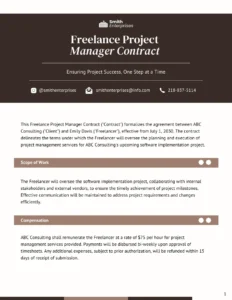
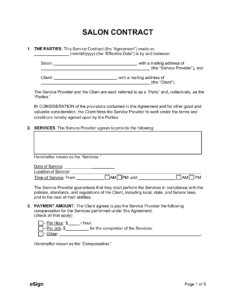
Stepping into the world of freelance software development offers incredible freedom and exciting projects, but it also comes with the responsibility of protecting your work and ensuring fair compensation. One of the most critical tools in your arsenal is a well-drafted contract. Having a reliable freelance software developer contract template isn’t just about formality; it’s about setting clear expectations, safeguarding your interests, and fostering a professional relationship with your clients from day one. It provides a solid foundation for every engagement, preventing misunderstandings before they even arise.
Imagine starting a new project, pouring your expertise into developing an innovative solution, only to face disputes over payment, scope, or intellectual property down the line. Such scenarios can be stressful, time-consuming, and detrimental to your business reputation. A comprehensive contract acts as a roadmap, detailing every aspect of the project for both parties to understand and agree upon.
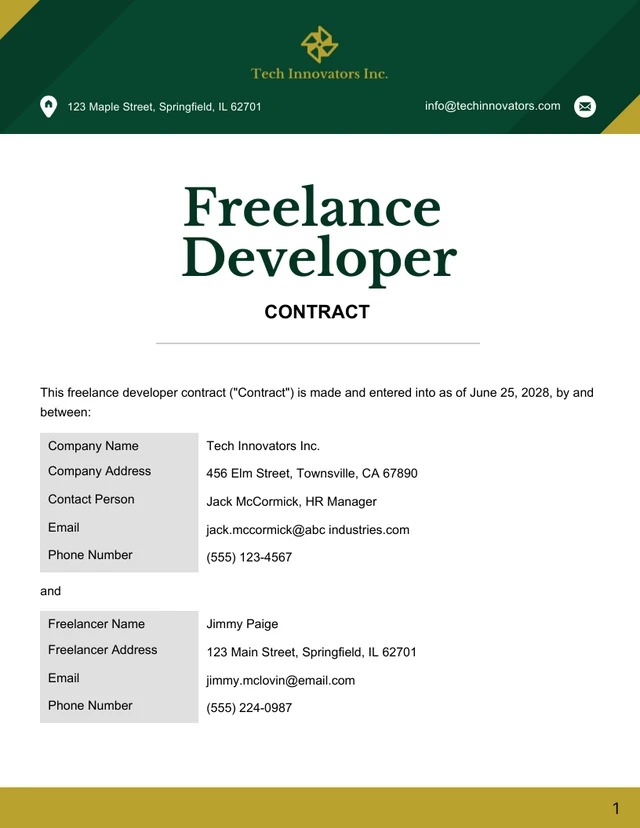
This guide will walk you through the essential components of a robust software development contract, helping you understand what needs to be included to ensure smooth project execution and peace of mind. Whether you are building complex applications, designing user interfaces, or integrating APIs, a strong contract is your best friend.
The Anatomy of a Rock-Solid Freelance Software Contract
Crafting a contract that truly protects you and clarifies the project for your client involves more than just filling in a few blanks. It’s about meticulously detailing every aspect of the engagement to leave no room for ambiguity. A well-structured contract will cover the core deliverables, financial agreements, and potential contingencies, ensuring both parties are on the same page.
Project Scope and Deliverables
This section is paramount. It defines exactly what software will be developed, its key features, functionalities, and any specific technologies to be used. Clearly outlining the scope helps prevent “scope creep,” where project requirements subtly expand beyond the initial agreement without corresponding adjustments in timeline or cost. Be as specific as possible about what will be delivered, for example, “a functional web application with user authentication, profile management, and a dashboard for data visualization.” You should also mention any exclusion, such as ongoing maintenance post-launch, if that is not part of the initial agreement.
Payment Terms and Schedule
Money matters need to be crystal clear. This part of the contract specifies your rate (hourly, fixed-price, or retainer), the total project cost, and the payment schedule. Will there be an upfront deposit? Payments upon reaching specific milestones? Net 30 terms? It should also detail the methods of payment, late payment penalties, and any provisions for additional work outside the agreed scope. For instance, “A 50% deposit is due upon signing, with the remaining 50% payable upon final project delivery and client acceptance. A late fee of 5% per month will be applied to overdue invoices.”
Timeline and Milestones
A project without a timeline is a project without direction. This clause outlines the start date, projected completion date, and key milestones with their respective deadlines. It helps both parties track progress and manage expectations. Consider including provisions for delays caused by client unresponsiveness or unforeseen technical challenges, and how these might impact the overall schedule. Clearly defining these checkpoints ensures accountability and allows for proactive problem-solving.
Intellectual Property (IP) Rights
Who owns the code? This is a critical question. Typically, the client will own the intellectual property rights to the software developed upon full and final payment. However, it’s essential to specify this clearly. If you are using any pre-existing code, open-source libraries, or proprietary tools in your development, the contract should outline how these are licensed and if their use is subject to any restrictions or fees for the client. This section ensures there are no disputes over ownership and usage rights once the project is complete.
Confidentiality and Non-Disclosure
Often, freelance software developers are privy to sensitive client information, trade secrets, or proprietary business processes. A confidentiality clause (or NDA, Non-Disclosure Agreement, often incorporated within the main contract) protects this information. It legally binds you to keep specific data private and not to disclose it to third parties or use it for any purpose other than the project at hand. This builds trust and assures clients their confidential details are safe.
Termination Clauses
Life happens, and sometimes projects need to end prematurely. A termination clause outlines the conditions under which either party can terminate the contract, the required notice period, and the financial implications of such a termination. For example, it might state that if the client terminates without cause, they are liable for payment for all work completed up to the termination date, plus a termination fee. Conversely, it might protect the client if you fail to meet your obligations.
Beyond the Basics: Practical Tips for Using Your Contract
While a freelance software developer contract template provides an excellent starting point, remember that it’s a living document that needs to be tailored to each unique client and project. No two projects are exactly alike, and the specific nuances of your engagement should always be reflected in the final agreement. Don’t be afraid to customize sections, add specific appendices for technical specifications, or modify clauses to better suit your working relationship.
Think of your contract as a collaborative tool, not just a protective shield. It should facilitate clear communication and mutual understanding, rather than being a document only pulled out in times of trouble. Openly discussing contract terms with your client during the negotiation phase can prevent future disputes and build a stronger foundation of trust. This proactive approach ensures both parties feel comfortable and understood regarding the terms of engagement.
Consider these essential steps when finalizing your project agreement:
- **Customize Thoroughly:** Always adapt the template to reflect the specific details of your project, including unique deliverables, technologies, and client expectations.
- **Seek Legal Review:** For significant projects or when dealing with new clients, it is always wise to have a legal professional review your contract. They can identify potential pitfalls and ensure compliance with local laws.
- **Maintain Clear Communication:** The contract should serve as a reference point throughout the project. Refer back to it when discussing scope changes, payment inquiries, or timeline adjustments to keep everyone aligned.
- **Outline Dispute Resolution:** Include a clause detailing how potential disagreements will be handled, such as mediation or arbitration, to avoid costly litigation.
A strong, clear contract isn’t just about protecting yourself; it’s about building a foundation for successful client relationships. By having a well-defined agreement, you demonstrate professionalism and a commitment to clear communication. This ensures that you can focus on what you do best: developing great software, knowing that your professional boundaries and financial interests are well-secured, leading to a smoother and more rewarding freelance journey for everyone involved.