Living in a homeowners association often comes with a set of rules and regulations designed to maintain community standards, ensure safety, and preserve property values. Among these, parking rules are frequently one of the most common areas where misunderstandings or violations can occur. Whether it is guest parking, assigned spaces, or general visitor guidelines, a clear and consistent approach to enforcement is essential for a harmonious neighborhood.
When issues arise, an HOA board or management company needs an effective way to communicate violations without creating unnecessary friction. This is where a well-structured hoa parking violation notice template becomes invaluable. It serves as a professional, standardized tool to inform residents about infractions, ensuring fairness and clarity in the enforcement process.
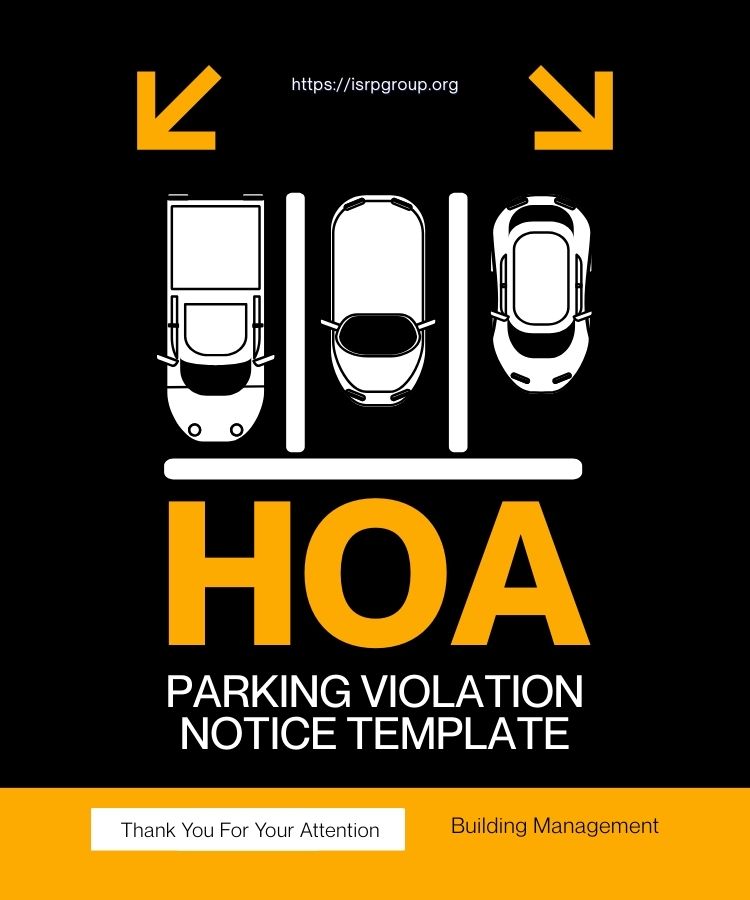
This article will guide you through the key components of such a notice, best practices for its implementation, and how to create a system that fosters compliance rather than conflict within your community. By establishing a transparent and consistent approach, HOAs can manage parking issues efficiently, keeping everyone on the same page.
The Anatomy of an Effective HOA Parking Violation Notice
A successful parking violation notice isn’t just a piece of paper; it’s a crucial communication tool that helps enforce community rules while maintaining a respectful relationship with residents. It must be comprehensive, clear, and leave no room for ambiguity. Think of it as a mini-contract that outlines the violation, the rule broken, and the steps that will follow. Getting the details right on this notice can save your HOA significant headaches down the line, preventing disputes and ensuring a smoother enforcement process.
When drafting your notice, clarity is paramount. Residents should be able to immediately understand what they did wrong, when and where it happened, and what the consequences are. This level of detail removes guesswork and helps residents take responsibility or, if necessary, understand how to appeal the decision. A poorly designed notice can lead to confusion, frustration, and even accusations of unfair or inconsistent enforcement, undermining the HOA’s authority and creating unnecessary conflict within the community.
Essential Information Your Notice Must Include
- Date and Time of Violation: Pinpointing the exact moment the violation was observed is critical for accuracy.
- Vehicle Information: Include the make, model, color, and most importantly, the license plate number of the vehicle. This ensures there’s no confusion about which vehicle is being cited.
- Location of Violation: Be specific. “In front of 123 Main Street” or “Visitor space by the clubhouse” is much more helpful than just “Parking lot.”
- Specific Rule Violated: Reference the exact article, section, or paragraph number from your HOA’s Covenants, Conditions and Restrictions (CC&Rs) or parking regulations. This provides the legal basis for the violation.
- Description of Violation: A brief, factual statement describing what occurred. For example, “Vehicle parked in a designated no-parking zone” or “Permit not displayed.”
- Enforcing Officer/Agent: The name or identification number of the person who issued the notice.
- Consequences of Violation: Clearly state the fine amount, if any, and any potential follow-up actions, such as towing (with notice period) or additional fines for repeat offenses.
- Instructions for Resolution/Appeal: Provide clear steps on how the resident can pay a fine, rectify the violation, or initiate an appeal if they believe the notice was issued in error. Include contact information for the HOA management or board member responsible for handling these matters.
- Date of Notice Issuance: This might differ slightly from the violation date but is important for tracking purposes.
Providing all this information up front helps to streamline the process, as residents have everything they need to address the issue. It also demonstrates that the HOA is acting professionally and transparently, which builds trust and encourages compliance. Remember, the goal is not just to penalize, but to educate and ensure adherence to community standards for the benefit of all residents.
Furthermore, consider including a specific deadline for action, whether it’s paying a fine or moving a vehicle. This creates a sense of urgency and prevents violations from lingering. Having a consistent and comprehensive hoa parking violation notice template ready to go makes the enforcement process far more efficient and less prone to errors or omissions. It serves as a reminder to the issuer to include all necessary information every single time.
Implementing Your Parking Violation System Effectively
Beyond simply having a well-designed notice, the way your HOA implements and manages its parking enforcement system is paramount to its success. Consistency and fairness are the twin pillars of effective rule enforcement. If residents perceive that rules are only applied sporadically or to certain individuals, the entire system can quickly lose its legitimacy, leading to widespread non-compliance and resentment. Therefore, establishing clear procedures for issuing notices and follow-up actions is just as important as the notice itself.
One of the most critical aspects is ensuring that all residents are fully aware of the parking rules from the outset. This means regular communication through newsletters, community meetings, and prominently displayed signage. New residents, especially, should receive a comprehensive guide to parking regulations as part of their welcome packet. Proactive communication can significantly reduce the number of violations before they even occur, fostering a culture of compliance rather than just enforcement.
Best Practices for Management and Enforcement
- Consistent Application: Ensure all violations are treated equally, regardless of who owns the vehicle or lives in the unit.
- Documentation: Keep a meticulous record of every notice issued, including photographs of the violation if possible. This documentation is invaluable in case of disputes or appeals.
- Timeliness: Issue notices promptly after a violation is observed. Delays can make enforcement seem arbitrary and less effective.
- Clear Escalation Path: Outline a clear process for repeat offenders, including increasing fines, towing procedures, and potential legal action. This should also be communicated to residents.
- Review and Update: Periodically review your parking rules and the effectiveness of your notice system. Community needs and vehicle ownership patterns can change, requiring updates to your regulations.
By adhering to these best practices, your HOA can create a robust and respected parking enforcement system. It helps to protect the community’s interests, maintain order, and ensure that valuable parking resources are utilized fairly and efficiently by all residents and their guests.
Ultimately, a structured approach to parking violations, from the initial notification to subsequent actions, contributes significantly to the overall quality of life within your HOA. It minimizes conflict, reinforces community standards, and ensures that everyone understands their responsibilities regarding parking within the shared spaces. By establishing clear expectations and a fair process, HOAs can maintain order and foster a more harmonious living environment for all.