Running a homeowners association effectively hinges on clear communication and adherence to established procedures. From regular board meetings to annual member gatherings, every interaction plays a vital role in maintaining a harmonious community. However, there are times when unexpected circumstances arise, necessitating a special meeting to address urgent matters that simply cannot wait for the next scheduled session. These meetings often deal with critical issues requiring prompt attention and member input.
Crafting the perfect notice for such an important event can feel like a daunting task. You want to ensure all members are adequately informed, understand the gravity of the topic, and are clear on how to participate. This is where a well-structured hoa special meeting notice template becomes an invaluable asset, saving your board time, preventing misunderstandings, and ensuring compliance with your association’s governing documents. Having a reliable framework means you won’t miss any crucial details.
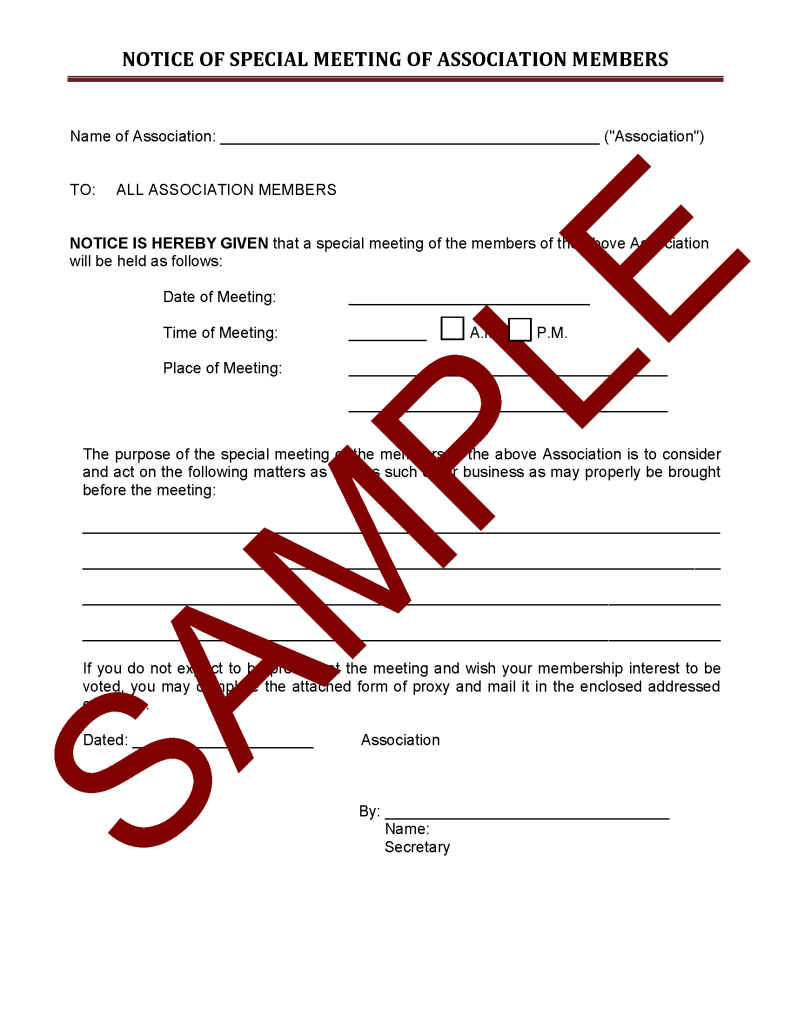
This article will guide you through the essential components of an effective special meeting notice, offering insights into best practices and ensuring your association’s communications are always professional, clear, and legally sound. By understanding the nuances involved, you can confidently prepare notices that empower your community members and facilitate smooth operations, even during urgent situations.
Why Your HOA Needs a Flawless Special Meeting Notice
Special meetings in an HOA are not just arbitrary gatherings; they are often legally mandated or strategically crucial events designed to address issues that demand immediate attention outside of the regular meeting schedule. These could range from emergency repairs, significant financial decisions, amendments to governing documents, or even recall elections. Because of their urgent nature and potential impact on the community, the notice informing members of such a meeting carries significant weight. A well-crafted notice ensures that all members are properly informed, understand the purpose, and have the opportunity to participate or make their voices heard.
Conversely, a poorly prepared or incomplete notice can lead to numerous problems. These issues might include challenges to the validity of any decisions made at the meeting, low member attendance due to confusion, claims of insufficient notice, or even legal disputes. Imagine a scenario where a vital repair needs immediate approval, but the meeting notice was unclear, leading to a lack of quorum. The delay could result in increased costs, further damage, or even safety hazards. Therefore, the notice isn’t just a courtesy; it’s a critical component of legal compliance and effective governance, upholding transparency and fairness within the community.
The key to an effective notice lies in its clarity, conciseness, and adherence to both your HOA’s specific bylaws and relevant state laws. Every piece of information included should be easy to understand and leave no room for ambiguity. This meticulous approach helps prevent legal challenges and fosters trust among your members, demonstrating that the board operates with integrity and respect for due process. It’s about building a foundation of good governance, one clear communication at a time.
Key Elements to Include in Your Notice
To ensure your special meeting notice is comprehensive and legally compliant, here are the essential components you should always incorporate:
*
*
*
*
*
*
*
*
The specific purpose of the meeting, as mentioned, is paramount. State laws and your HOA’s governing documents often dictate that only matters specifically outlined in the special meeting notice can be voted upon or discussed. Introducing new business not on the notice could invalidate any decisions made, leading to wasted time and potential legal issues. Ensure the language is precise and actionable.
Furthermore, always double-check your HOA’s bylaws regarding the required notice period for special meetings. Most associations require a certain number of days’ notice to be given to all members before a special meeting can take place. Failure to adhere to these timelines can render any actions taken at the meeting null and void. Distribution methods are also important, whether it’s via mail, email, or posting in common areas, ensure compliance with your governing documents for maximum reach and legal standing.
Crafting Your Notice: Best Practices and Tips
When you’re ready to put together your special meeting notice, remember that clarity and professionalism are your best friends. The language should be straightforward, free of jargon, and easy for every member to understand, regardless of their familiarity with HOA operations. Avoid overly legalistic terms where simpler words will suffice. The goal is to inform, not to confuse or intimidate. A friendly yet firm tone often works best, conveying the importance of the meeting while maintaining an approachable demeanor.
Developing a consistent process for generating and distributing notices is also a smart move. This is precisely where an effective hoa special meeting notice template truly shines. By having a pre-designed structure, you ensure that no critical information is ever accidentally omitted. It standardizes your communication efforts, saving time and reducing the chances of errors with each special meeting that arises. Think of it as your association’s official communications toolkit.
Finally, always proofread your notice meticulously before distribution. A simple typo or grammatical error can undermine the professionalism of your board and potentially create confusion. Consider having another board member or even your association manager review it for accuracy and clarity. Once distributed, keep a digital and physical record of the notice, including the date it was sent and the method of delivery. This documentation is crucial for compliance purposes and can serve as a reference should any questions or disputes arise in the future.
*
*
*
*
*
By following these best practices, your HOA can ensure that every special meeting is announced effectively, encouraging member participation and facilitating smooth, legally sound decision-making. A well-prepared notice is a testament to an organized and transparent board, fostering a stronger, more engaged community.
Mastering the art of the special meeting notice is a cornerstone of effective HOA management. It’s more than just a bureaucratic formality; it’s a powerful tool for transparency, engagement, and legal compliance. By utilizing a robust template and adhering to best practices, your board can navigate urgent matters with confidence, ensuring every member is informed and empowered to contribute to the community’s well-being.
Taking the time to craft a clear, comprehensive, and compliant notice demonstrates your board’s commitment to good governance. This proactive approach not only minimizes potential disputes but also builds a foundation of trust and understanding among residents. Ultimately, well-managed communications lead to smoother operations and a more harmonious living environment for everyone involved.