Navigating the complexities of horse boarding can sometimes lead to difficult situations, especially when an owner’s actions or a horse’s circumstances necessitate a separation. While it’s never an easy decision to ask a horse and its owner to leave your facility, sometimes it becomes a necessary step to maintain the safety, harmony, and financial stability of your operation. This process, however, must be handled with care, professionalism, and strict adherence to legal guidelines to protect both parties involved.
When such an unfortunate situation arises, having a clear and legally sound process is paramount. This is where understanding the intricacies of a proper communication becomes vital. Utilizing a well-structured horse boarding eviction notice template can streamline this uncomfortable experience, ensuring all necessary information is conveyed accurately and legally, preventing future disputes or misunderstandings.
It’s about more than just telling someone to leave; it’s about providing clear reasons, ample time, and outlining the next steps in a way that is respectful yet firm. A well-prepared notice not only protects your business but also gives the horse owner a clear understanding of their obligations and the timeline for compliance, fostering a more orderly transition even in a challenging time.
Understanding the Grounds for Eviction
Before you even think about drafting a horse boarding eviction notice, it’s crucial to understand the legitimate grounds for eviction. Simply deciding you no longer want a boarder is usually not enough; your reasons must typically align with the terms outlined in your boarding agreement or with generally accepted legal principles regarding property and animal care. Identifying and clearly articulating these grounds will form the backbone of your notice and help prevent any legal challenges down the line. It’s always best to have documented instances or conversations related to these issues.
Non-Payment of Boarding Fees
Perhaps the most common reason for eviction is the failure to pay boarding fees as agreed upon. This directly impacts your business’s financial health and ability to provide care. Your boarding agreement should clearly state payment terms, due dates, and penalties for late payments. Consistent non-payment, even after reminders, is usually a strong ground for issuing a notice.
- Failure to pay monthly board by the due date.
- Repeated late payments despite warnings.
- Non-payment of additional services rendered (e.g., vet calls, farrier services) as per agreement.
Unacceptable Horse Behavior
A horse’s behavior can sometimes pose a risk to other horses, staff, or the facility itself. While horses are animals and have their quirks, consistently dangerous or destructive behavior that cannot be managed might necessitate eviction, especially if it violates a safety clause in your agreement.
- Aggressive behavior towards other horses, leading to injuries.
- Destructive behavior within stalls or turnout areas.
- Chronic escaping that jeopardizes the horse’s safety or facility security.
Owner Misconduct or Negligence
Sometimes, the issue isn’t with the horse, but with the owner’s actions or lack thereof. This can range from neglecting their horse’s basic needs to violating facility rules or exhibiting disruptive behavior towards other boarders or staff. A safe and respectful environment is paramount for any boarding facility.
- Failure to provide necessary veterinary care or farrier services for their horse.
- Disruptive or aggressive behavior towards other boarders or staff.
- Repeated violations of facility access hours or rules.
Violations of Boarding Agreement or Safety Rules
Every boarding facility has rules and regulations designed to ensure the safety, health, and well-being of all animals and people on the property. Persistent violations of these rules, which were likely agreed upon at the start of the boarding arrangement, can be grounds for termination. This also includes actions that compromise the overall safety and harmony of the barn community.
- Bringing unauthorized animals onto the property.
- Unauthorized use of facility equipment or property.
- Endangering other horses or people through unsafe practices.
Crafting Your Eviction Notice: Key Components
Once you’ve clearly identified the grounds for eviction, the next step is to prepare the actual notice. This document needs to be precise, professional, and contain all the legally required information to ensure a smooth and legitimate process. It’s not just a casual note; it’s a formal communication with serious implications, and therefore, every detail matters. This document will serve as official proof of your actions and the boarder’s notification.
Your notice should start with a clear statement that it is an eviction notice and the date it is being issued. It should include the full legal names and contact information for both the boarding facility and the horse owner. This establishes who the notice is from and to whom it is directed. Following this, you must clearly identify the horse(s) in question, including their name, breed, and any other identifying characteristics that ensure there’s no confusion about which animal is being asked to leave.
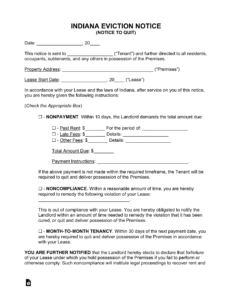
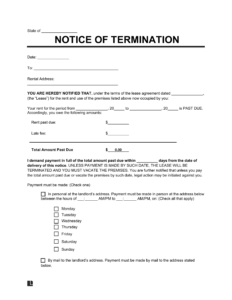
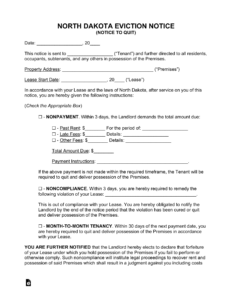
Crucially, the notice must explicitly state the reason(s) for the eviction, referencing specific clauses in your boarding agreement if applicable, and outlining any specific incidents or dates related to the violation. This provides the boarder with a clear understanding of why this action is being taken. Additionally, the notice must specify the final date by which the horse and its owner must vacate the premises. This deadline should be reasonable and comply with any local or state laws regarding notice periods. Finally, include information about any outstanding fees that are due, detailing the amount and the payment deadline. A comprehensive horse boarding eviction notice template should include all these elements for clarity and legal compliance.
- Date of Notice: When the document is officially issued.
- Facility Information: Full legal name, address, and contact details of the boarding facility.
- Boarder Information: Full legal name, address, and contact details of the horse owner.
- Horse Identification: Name, breed, and any unique identifiers of the horse(s) to be evicted.
- Clear Statement of Eviction: Explicitly state that this is an eviction notice.
- Detailed Reasons for Eviction: Clearly explain why the eviction is occurring, referencing specific boarding agreement clauses or incidents.
- Vacate Date (Deadline): The precise date by which the horse and owner must leave the property. This must adhere to legal notice periods.
- Outstanding Balances: Any unpaid fees, a breakdown of what they are for, and the deadline for payment.
- Consequences of Non-Compliance: A statement outlining what will happen if the boarder fails to vacate by the specified date, such as charges for continued board, or in extreme cases, lien procedures.
- Signature Lines: For the facility owner/manager and a space for the boarder to acknowledge receipt (though receipt can be proven via certified mail).
Issuing an eviction notice for a horse boarding arrangement is undoubtedly one of the tougher aspects of running an equestrian facility. It requires a balance of empathy for the boarder’s situation and firm adherence to business principles and legal obligations. By approaching this task with a clear process, anchored by well-defined grounds and a meticulously prepared notice, you safeguard your business while providing the affected party with the clarity they need to make alternative arrangements.
Remember, proper documentation and clear communication are your best allies in these scenarios. Always ensure you have a copy of the signed boarding agreement, records of any communications or incidents leading to the eviction, and proof of delivery for the eviction notice itself. While it’s a challenging situation for everyone involved, handling it professionally ensures a more orderly transition and helps maintain the integrity of your facility for your other valued clients.