Navigating the landlord-tenant relationship can sometimes feel like walking a tightrope, requiring a delicate balance of clear communication, mutual understanding, and adherence to legal frameworks. Whether you’re a seasoned landlord or just starting out, there are times when you might need to formally end a tenancy. It’s crucial to approach these situations with the correct documentation and a full understanding of your responsibilities under Illinois law.
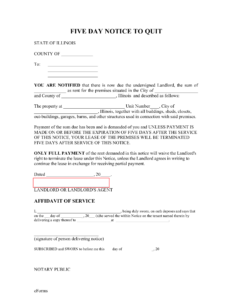
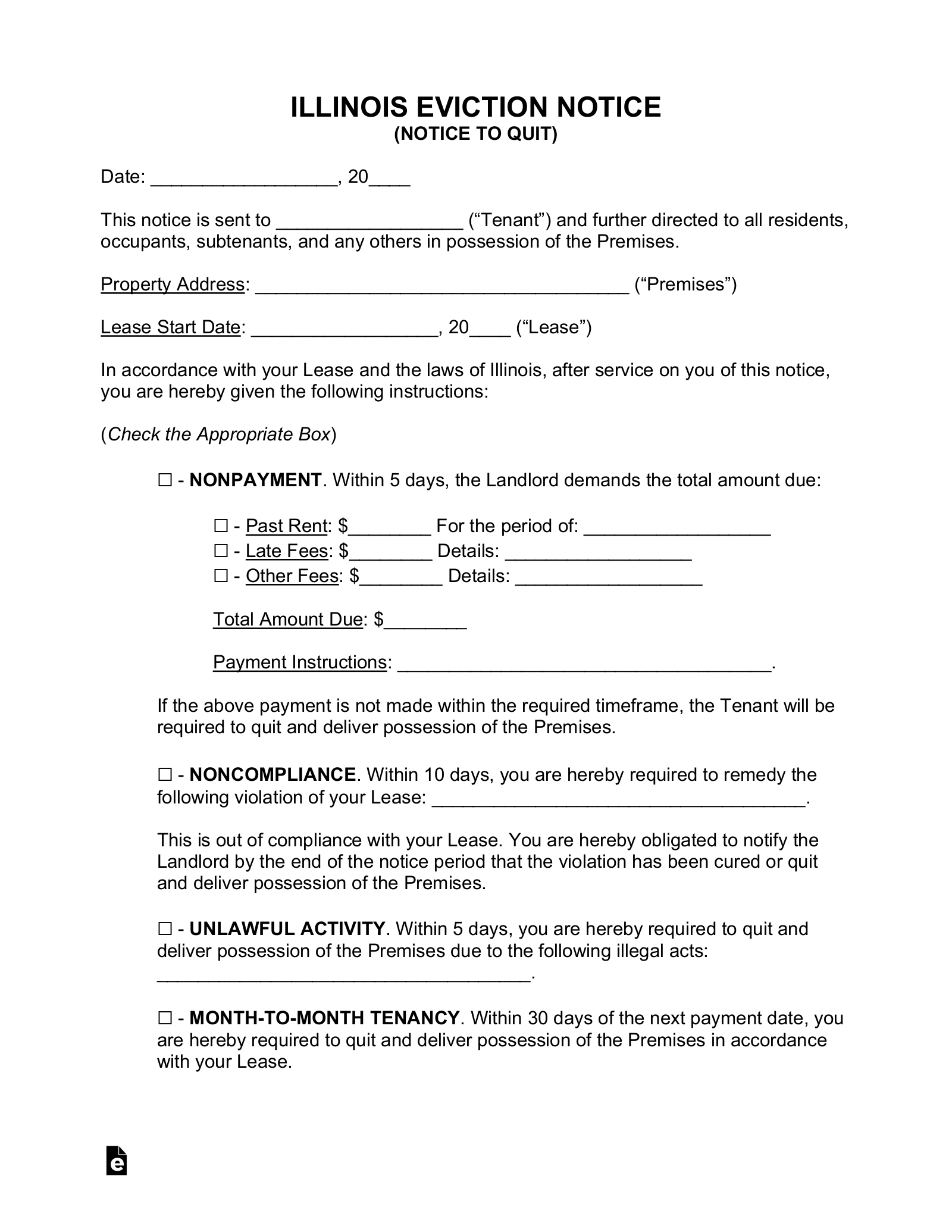
When a tenancy needs to be terminated, especially for month-to-month agreements or specific lease violations that allow for remediation, a properly executed notice is your first and most vital step. Specifically, understanding and utilizing an illinois 30 day eviction notice template becomes indispensable for landlords who need to initiate the process legally and effectively. This document serves as the formal notification to your tenant that their tenancy is coming to an end.
The process of terminating a lease can feel daunting, but having the right tools and information at your fingertips can simplify it immensely. Our goal here is to demystify the 30-day notice in Illinois, ensuring you have a clear path forward and the confidence to handle this aspect of property management correctly, protecting both your interests and respecting tenant rights.
Navigating the Illinois 30-Day Notice to Quit: What Landlords Need to Know
In Illinois, a 30-day notice to quit is a specific legal document used by landlords to inform a tenant that their tenancy will be terminated in 30 days. This particular type of notice is typically employed for month-to-month leases where there isn’t a specific end date, or for certain lease violations that don’t warrant a shorter notice period (like a 5-day notice for non-payment of rent) but still require the tenant to vacate. It’s important to understand that while it’s often colloquially referred to as an “eviction notice,” at this stage, it’s primarily a notice of tenancy termination, initiating a process that might lead to an eviction lawsuit if the tenant doesn’t comply.
It’s crucial not to confuse the 30-day notice with other types of notices common in Illinois. For instance, a 5-day notice is typically used for non-payment of rent, giving the tenant a short window to pay up or face eviction. A 10-day notice might be used for other lease violations where the tenant has a chance to fix the issue. The 30-day notice, however, generally gives the tenant more time and is often used for circumstances like the landlord choosing not to renew a month-to-month lease, or for a more significant, but potentially curable, lease violation where the landlord wants to provide ample opportunity for the tenant to move out.
Proper service of this notice is paramount. Simply slipping it under the door or sending an email might not be legally sufficient. Illinois law usually requires the notice to be delivered in a way that ensures the tenant receives it, often via certified mail, personal delivery, or sometimes by posting it on the door if other methods fail, followed by mailing. Documenting how and when the notice was served is incredibly important should legal proceedings become necessary later. Without proper service, any subsequent eviction case could be dismissed.
What you include in the notice is just as important as how you serve it. A valid 30-day notice must contain specific information to be legally effective. Missing key details can render the notice invalid, forcing you to start the process over again, which can be costly and time-consuming. Always double-check that every required field is accurately completed before serving the document.
Key Elements of a Valid 30-Day Notice
- Tenant’s full name and the complete address of the rental property.
- Landlord’s full name and contact information.
- The specific date the notice is being issued.
- The exact date by which the tenant must vacate the premises (which must be at least 30 full days after the notice is served).
- A clear and unambiguous statement terminating the tenancy.
- The landlord’s signature.
This notice effectively ends the legal relationship, giving the tenant sufficient time to find new housing and move their belongings. If the tenant fails to vacate by the specified date, only then can a landlord proceed with filing an eviction lawsuit in court.
Finding and Utilizing a Reliable Illinois 30-Day Eviction Notice Template
Once you understand the requirements and purpose of this crucial document, your next step is to find a reliable illinois 30 day eviction notice template. Fortunately, there are many resources available online where you can obtain such a template. Legal self-help websites, real estate professional organizations, and even some government housing authority sites offer downloadable templates. The key is to select a template that is specifically tailored to Illinois law, as state-specific requirements can vary significantly. Be wary of generic templates that might not include all the necessary legal language for Illinois.
When you’ve found a suitable template, carefully fill in all the required information. Accuracy is critical here. Ensure that the tenant’s name and the property address are identical to what is on the lease agreement. Double-check the dates to ensure the notice period is indeed 30 days, starting from the day after the notice is served. Make sure your name, contact information, and signature are all clearly provided. It’s always a good practice to print out the completed template, sign it, and then make several copies for your records before serving it to the tenant.
Remember, this notice is the first step in a formal legal process. While a template simplifies the creation of the document, it doesn’t replace legal advice. If you encounter any unusual circumstances, or if the tenant raises specific objections or legal arguments, consulting with an attorney specializing in landlord-tenant law is highly recommended. They can provide guidance tailored to your specific situation and help ensure you remain compliant with all applicable laws.
Common Mistakes to Avoid When Using a Template
- Using a generic template not specific to Illinois law.
- Incorrectly calculating the 30-day notice period.
- Failing to include all required information, such as the exact vacate date.
- Not serving the notice properly according to Illinois statutes.
- Forgetting to keep a copy of the served notice for your records.
- Attempting “self-help” eviction (e.g., changing locks, removing tenant belongings) which is illegal.
Taking the time to ensure your notice is correctly prepared and served protects your rights as a landlord and provides a clear, legally sound foundation for resolving tenancy issues. It shows due diligence and adherence to proper procedure, which are vital components of responsible property management.
Ultimately, having a clear and accurate understanding of your rights and obligations as a landlord under Illinois law is paramount. Utilizing proper legal forms, such as the 30-day notice, ensures that any steps you take to manage your property and tenancy relationships are compliant and defensible. This proactive approach helps to mitigate potential disputes and provides a professional framework for handling the end of a tenancy.
Should questions arise during this process, or if the situation becomes complex, never hesitate to seek professional legal guidance. An attorney specializing in Illinois landlord-tenant law can offer invaluable insights and representation, ensuring your actions are always within legal bounds and that your interests are fully protected. This commitment to proper procedure benefits everyone involved and contributes to a smoother resolution.