Working within the medical device industry means living and breathing quality, safety, and regulatory compliance. At the heart of this commitment is ISO 13485, an internationally recognized standard that sets out the requirements for a comprehensive quality management system. It’s all about ensuring that medical devices are safe and effective, not just during manufacturing but throughout their entire lifecycle, which sometimes includes addressing issues that arise post-market.
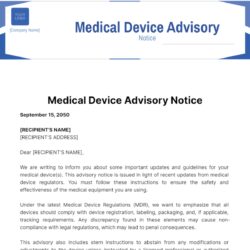
Even with the most rigorous quality controls in place, situations can occur where a medical device might pose a risk to patients or users. This is precisely when clear, timely, and compliant communication becomes paramount. Knowing how to quickly and effectively notify affected parties about potential issues, corrective actions, or important safety information is crucial, and having a reliable iso 13485 advisory notice template on hand can make all the difference.
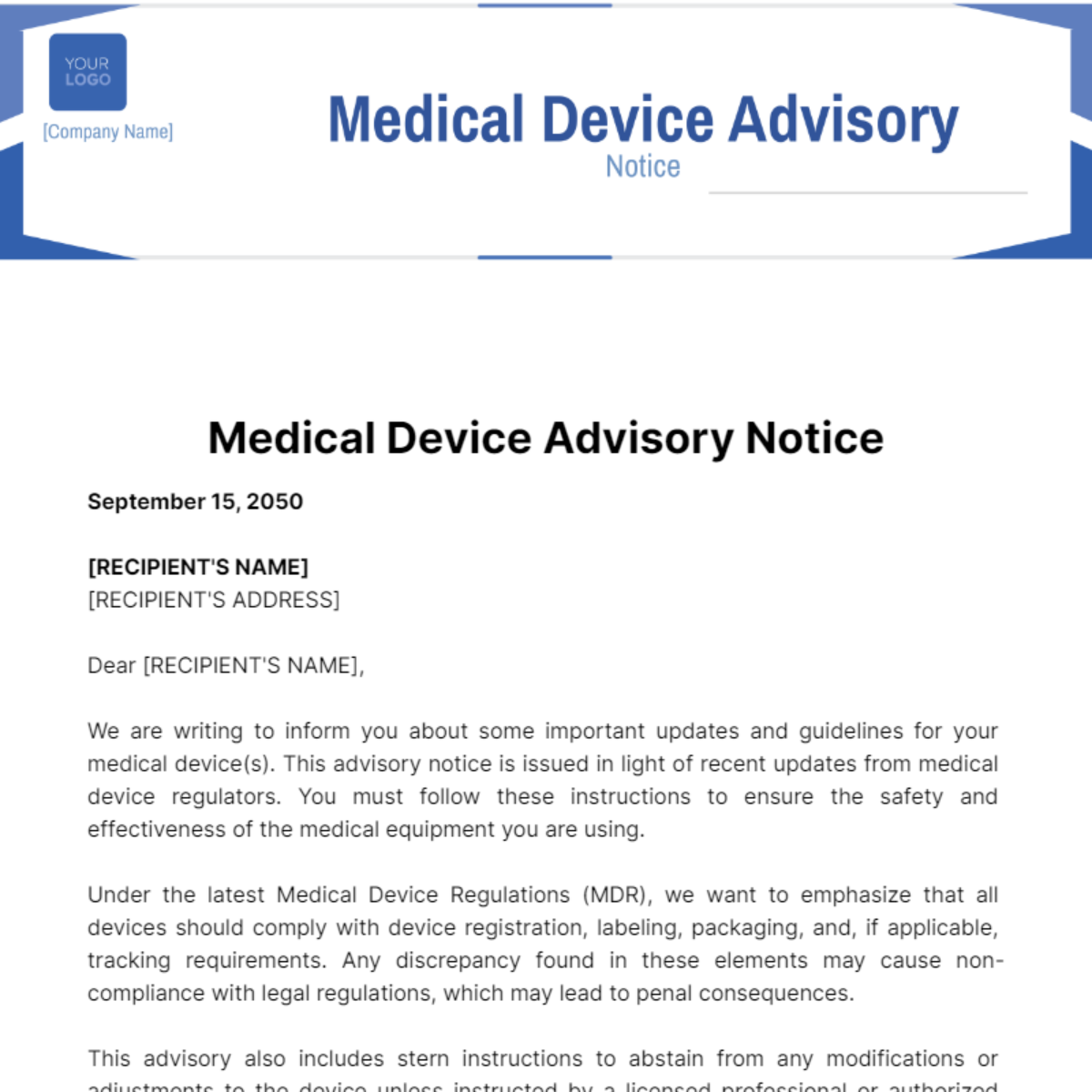
Such a template isn’t just a convenient document; it’s a critical tool for maintaining trust, fulfilling regulatory obligations, and ultimately protecting public health. It helps streamline a potentially complex process, ensuring that no vital information is overlooked during what can often be a high-pressure situation.
The Indispensable Role of a Structured Advisory Notice in Medical Device Compliance
In the highly regulated world of medical devices, communication isn’t just good practice; it’s a requirement. When an issue surfaces that could impact device performance or patient safety, an advisory notice becomes your direct line to users, distributors, and regulatory bodies. ISO 13485, particularly clauses related to post-market surveillance, risk management, and communication, underscores the necessity for manufacturers to have robust processes for identifying, evaluating, and addressing such concerns promptly. An advisory notice serves as the formal mechanism for disseminating crucial information about field safety corrective actions, product recalls, or important updates.
Imagine discovering a software bug that, under specific conditions, might lead to incorrect diagnostic results. Or perhaps a component in a batch of devices is found to have a manufacturing defect that could compromise device integrity over time. In these scenarios, simply "getting the word out" isn’t enough. The communication needs to be structured, unambiguous, and comprehensive, detailing the problem, the potential risks, and the specific actions that recipients should take to mitigate those risks.
Failure to issue a clear and compliant advisory notice, or issuing one that is vague and lacks essential information, can have severe repercussions. Beyond the immediate risks to patient safety, companies face significant regulatory penalties, damage to their reputation, and a loss of market trust. Regulators worldwide, including the FDA and notified bodies in Europe, scrutinize these communications closely, expecting full transparency and a proactive approach to risk management. A well-designed template helps ensure that all necessary information is captured consistently, regardless of the specific incident, fostering a professional and compliant response every time.
Furthermore, a standardized advisory notice isn’t just about external communication; it also facilitates internal alignment. By having a clear format, different departments—from quality assurance to regulatory affairs and legal—can collaborate more effectively in drafting and approving the notice. This ensures that the message is consistent, legally sound, and technically accurate before it reaches the public. This preparation and standardization, ideally encapsulated in an iso 13485 advisory notice template, is key to operational efficiency and maintaining an effective quality management system.
Key Elements Your Advisory Notice Should Include
Crafting an advisory notice requires careful attention to detail to ensure it meets both regulatory expectations and effectively communicates critical information. A good template will guide you through including these essential components:
- Device Identification: Clearly state the product name, model number, lot numbers, serial numbers, and any other identifiers to precisely pinpoint the affected devices.
- Problem Description: Provide a concise yet thorough explanation of the issue, including its nature, cause, and the potential hazard or risk it poses.
- Health Impact Assessment: Detail the potential clinical consequences or risks to patients or users associated with the identified problem.
- Recommended Actions: Explicitly state what recipients should do. This could involve returning devices, ceasing use, performing specific checks, or implementing software updates.
- Contact Information: Offer clear channels for recipients to seek further information, report issues, or confirm receipt of the notice.
- Regulatory Statement: Include any required statements regarding reporting to regulatory authorities.
- Distribution and Urgency: Indicate the scope of the notice (e.g., specific regions, all customers) and the urgency of the required actions.
Developing Your Own Robust Advisory Notice Template
Creating your own advisory notice template for ISO 13485 compliance is an investment in your company’s quality system and regulatory readiness. It begins not with a blank page, but with a thorough understanding of your specific devices, potential failure modes, and the regulatory landscape you operate within. Think about the types of incidents that could plausibly occur and what information would be absolutely essential to convey in each scenario.
Involving a cross-functional team is crucial during the template development phase. Quality assurance professionals can ensure compliance with ISO 13485 and other relevant standards, while regulatory affairs specialists can verify alignment with national and international reporting requirements. Clinical experts can provide insight into potential patient risks, and legal counsel can review the language for clarity and accuracy. This collaborative approach ensures the template is robust, comprehensive, and legally sound, covering all necessary bases from technical details to required disclaimers.
Once drafted, the template should be subject to internal review and approval, just like any other controlled document within your quality management system. Consider conducting a mock exercise, using the template to simulate a real-world advisory notice scenario. This can help identify any gaps or areas for improvement before a genuine need arises. Remember, a template isn’t static; it should be periodically reviewed and updated to reflect changes in regulations, product lines, or best practices.
Maintaining a clear, well-structured, and easy-to-use iso 13485 advisory notice template isn’t just about meeting a checkbox requirement. It’s about demonstrating a proactive commitment to patient safety and quality. By having this essential tool prepared and ready, medical device manufacturers can navigate challenging situations with confidence, ensuring that critical information is communicated effectively and efficiently, thereby upholding trust and safeguarding health. This preparation minimizes panic in a crisis and ensures a professional, compliant response every time.