Navigating the complexities of California’s landlord-tenant laws can feel like a daunting task, especially when dealing with personal living arrangements. When you share your home with someone, and the time comes for them to move out, the process needs to be handled with care and legal precision. It is crucial to understand the specific rules that apply to your situation to ensure a smooth transition for everyone involved.
For homeowners in California who rent out a room in their primary residence, the legal classification of the person living with them often falls under "lodger" rather than a traditional "tenant." This distinction is incredibly important because it dictates the eviction process you must follow. Finding a reliable lodger eviction notice template California homeowners can use is a vital first step in ensuring compliance with state law.
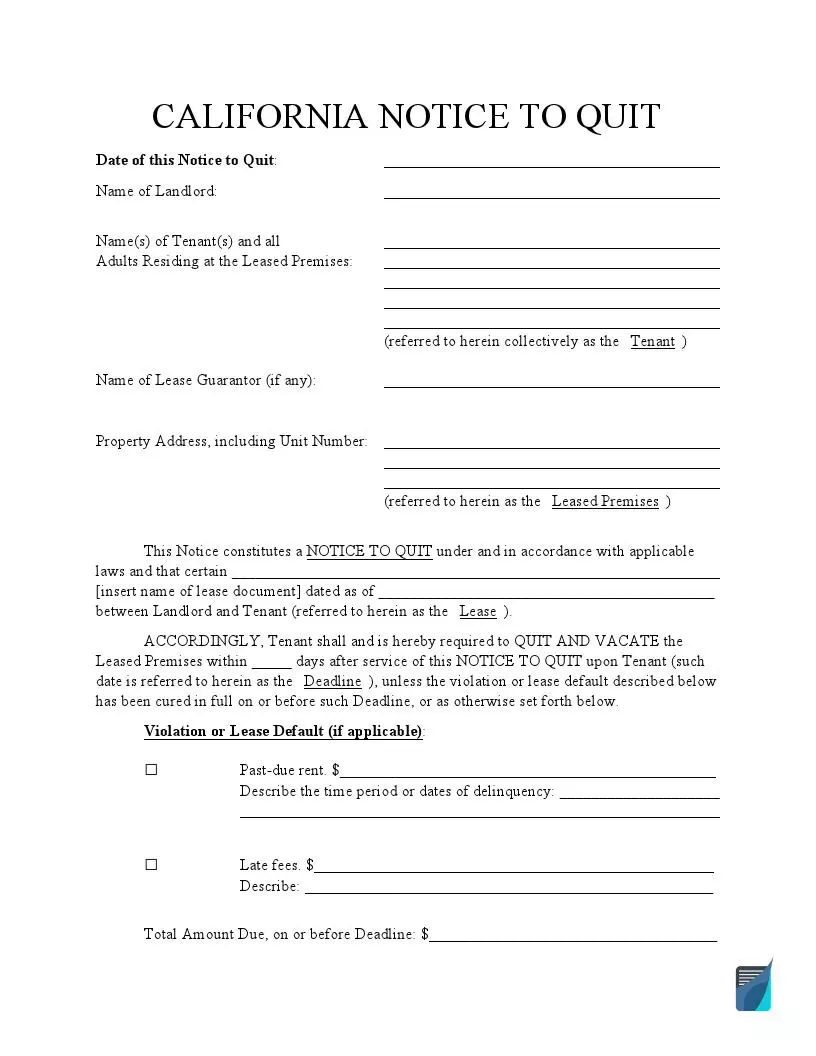
This guide will walk you through the specifics of evicting a lodger in California, highlighting the key differences from tenant evictions and providing insights into what your notice should include. Our goal is to empower you with the knowledge to manage this situation correctly and confidently.
Understanding Lodgers Versus Tenants in California
The difference between a lodger and a tenant might seem subtle, but in the eyes of California law, it significantly alters the eviction process. A lodger is typically someone who rents a room in a home where the owner also lives. They share common living areas, such as the kitchen or bathroom, with the homeowner. Crucially, the owner must reside on the property as their primary residence for the person to be considered a lodger. If the owner moves out or rents the entire property, the lodger often transforms into a tenant, even if they originally started as a lodger.
This distinction is not just semantic; it has profound implications for a homeowner’s rights and responsibilities. A traditional tenant, who rents an entire unit or a room in a multi-unit property where the owner does not reside, typically enjoys more extensive legal protections, including the right to formal unlawful detainer actions through the courts. The eviction process for a tenant can be lengthy and complex, often involving significant legal fees and court appearances.
However, for a lodger, the process can be simpler, though it still requires adherence to specific legal procedures to avoid issues. Because a lodger does not possess the same exclusive occupancy rights as a tenant, their termination notice requirements are generally less stringent, though a proper notice period is still mandatory. Misclassifying a lodger as a tenant, or vice versa, can lead to serious legal complications, delays, and even financial penalties if the homeowner does not follow the correct protocol.
Therefore, before even thinking about serving a notice, confirming whether the individual sharing your home is indeed a lodger according to California law is the foundational step. This clarity ensures that you apply the correct legal framework to their departure, safeguarding your rights as a homeowner and minimizing potential legal disputes. Understanding these nuances is paramount for anyone considering using a lodger eviction notice template California provides.
Key Distinctions for Eviction
- **Owner Occupancy:** The homeowner must live on the property as their primary residence.
- **Shared Facilities:** Lodgers typically share common areas like kitchens, living rooms, and bathrooms with the homeowner.
- **No Exclusive Possession:** Unlike tenants, lodgers do not have exclusive possession of an entire dwelling unit. Their “tenancy” is tied to a room within the owner’s home.
- **Eviction Process:** The eviction process for a lodger can sometimes be more straightforward, potentially not requiring a full unlawful detainer lawsuit, depending on the circumstances.
Crafting Your California Lodger Eviction Notice
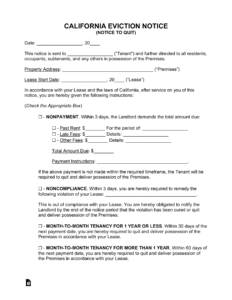
Once you have confirmed that the individual in your home is legally classified as a lodger, the next critical step is to prepare and serve a proper eviction notice. Precision is key here; any errors or omissions could invalidate your notice and delay the process. Even for lodgers, California law requires a written notice of termination, specifying the date by which they must vacate the premises.
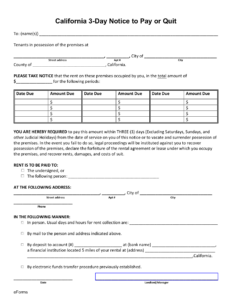
The type of notice you need to serve generally depends on the length of the lodger’s occupancy and the specific terms of your agreement, if any. For lodgers who have resided in your home for less than one year, a 30-day notice is typically required. If they have lived there for one year or more, a 60-day notice is usually necessary. However, if the lodger has violated a material term of your agreement or committed an unlawful act, a shorter 3-day notice to quit might be applicable. Always ensure the notice period aligns with state law and your specific situation.
When preparing your lodger eviction notice, it’s essential to include all the legally required information. This ensures clarity for the lodger and protects you, the homeowner, should any disputes arise. A comprehensive notice leaves no room for ambiguity about the terms of their departure.
- **Names of Parties:** Clearly state the full name of the homeowner (landlord) and the lodger.
- **Property Address:** Include the full address of the property where the lodger resides.
- **Date of Notice:** Specify the exact date the notice is prepared and served.
- **Termination Date:** Clearly state the specific date by which the lodger must vacate the premises. This date must adhere to the required notice period (e.g., 30 days or 60 days from service).
- **Reason for Termination (if applicable):** If you are serving a “for-cause” notice (e.g., 3-day notice for a breach of agreement), clearly state the reason for termination.
- **Statement of Compliance:** A statement indicating that the notice is being issued in compliance with California Civil Code Section 1946.5 (or other relevant statutes).
- **Landlord’s Signature:** The homeowner’s signature is mandatory.
- **Certificate of Service:** Include a section to document how and when the notice was served, including the date and method of service. This is crucial proof.
Taking the time to accurately complete your lodger eviction notice is a vital step in regaining possession of your room or property in California. By understanding the legal distinctions and carefully crafting your notice, you can navigate this process with greater confidence and reduce the likelihood of legal challenges. Remember, proper documentation and adherence to timelines are your best allies.
Always ensure your actions comply with current California landlord-lodger laws. While using a template can streamline the process, reviewing it against your specific circumstances and considering legal counsel for complex situations is always a wise decision. This proactive approach helps protect your rights and ensures a legally sound resolution.