It happens to the best of us. One minute your keys are in your hand, the next they’ve vanished. Or perhaps you’ve stumbled upon a wallet, gleaming invitingly on the sidewalk, and you want nothing more than to reunite it with its worried owner. In these moments of minor crisis or unexpected good fortune, getting the word out quickly and clearly is paramount.
That’s where a well-structured lost and found notice template becomes your best friend. Instead of fumbling for words when time is of the essence, a clear, pre-planned format allows you to focus on the crucial details, making it much easier for your item to be returned or for you to help someone else. It provides a simple framework to communicate effectively with the community around you.
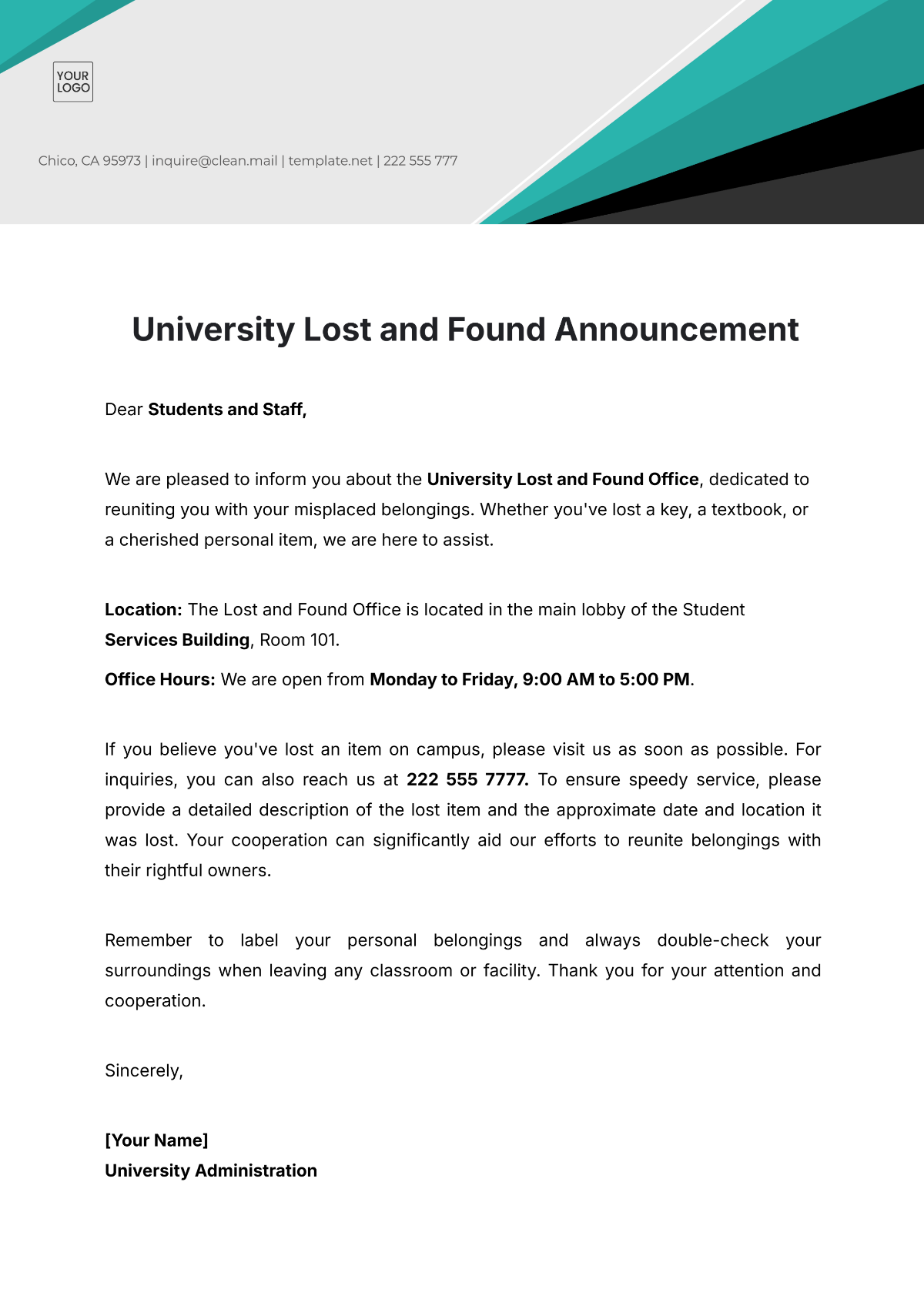
The goal is to provide just enough information to be helpful without overwhelming the reader, and crucially, to include contact details that are easy to spot. Whether you are lamenting a lost pet or celebrating finding a cherished belonging, a good template guides you through the process, ensuring all vital information is conveyed in a concise manner.
Crafting an Effective Lost Notice
When you’ve lost something important, anxiety can quickly take over. This is precisely why having a clear plan for your lost notice is so valuable. You want to quickly grab attention, convey urgency, and provide all necessary details without making the notice too cluttered to read. Think of it as your item’s personal advertisement, designed to stand out and prompt helpful action from those who see it. Every word counts, and the layout can make a significant difference in whether your item finds its way home.
The emotional connection to a lost item, whether it’s a family heirloom, a beloved pet, or an essential work tool, often makes us forget practical considerations. A solid lost and found notice template removes that guesswork. It prompts you to include all the core information a finder would need, and equally important, details that can help you verify the item belongs to you before handing it over. It is about balancing disclosure with protection.
Essential Details for a Lost Item Notice
To ensure your lost notice is as effective as possible, consider including these vital pieces of information:
- Clear Description of the Item: Be specific. Instead of "a dog," say "a small, fluffy white poodle mix with a red collar." For an object, mention brand, color, distinguishing marks, or contents.
- Date and Location Lost: Provide the exact date and a precise location (e.g., "near the Oak Street entrance of Central Park," or "at the bus stop on Elm Avenue around 3 PM").
- Your Contact Information: A phone number and/or email address are crucial. Make sure it’s legible and you’re readily available to respond.
- Offer of a Reward (Optional but Encouraged): This can be a powerful motivator. You don’t need to state the amount, simply "Reward Offered" can be enough.
- Photograph of the Item/Pet: If possible, include a clear picture. A visual aid drastically increases the chances of identification.
The language you use should be straightforward and polite. A tone of genuine concern often resonates more with people willing to help. Remember, the goal is to enlist the community’s eyes and ears. A courteous request for help is far more effective than an accusatory or demanding tone.
Finally, think about where you will post your notice. Local community boards, bulletin boards in shops, online neighborhood groups, and social media platforms are all excellent places to share. The wider your reach, the better your chances of a successful reunion.
Creating a Helpful Found Notice
Finding someone else’s lost item can be a moment of moral triumph. You’re a good Samaritan, and now your mission is to return the item to its rightful owner. Just like a lost notice, a found notice requires a thoughtful approach to ensure it reaches the right person while also protecting the item from false claims. The trick is to provide enough identifying information to attract the owner’s attention, without giving away every single detail.
This cautious approach helps prevent someone from falsely claiming the item. You’ll want to ask for specific, unstated details that only the true owner would know before you return their possession. This acts as a simple verification process, safeguarding the item you so kindly found. Your generosity deserves to be directed to the genuine owner.
Key Information for a Found Item Notice
When drafting your found notice, include the following:
- General Description of the Item: Be somewhat vague. For instance, "Found: A small, dark-colored wallet" instead of listing its exact contents or specific brand.
- Date and Location Found: "Found near the playground on Tuesday afternoon, April 16th."
- Your Contact Information: Provide a way for the owner to reach you, such as a phone number or email address.
- Instructions for Claiming: Clearly state that the owner will need to describe the item in detail to claim it.
By following these guidelines, you increase the likelihood of a happy reunion. Your careful approach demonstrates responsibility and ensures that your good deed truly benefits the person who is missing their belongings. It’s a small act that can make a huge difference in someone’s day, turning their frustration into relief and gratitude.
Whether you’re the one desperately searching or the kind soul who’s found a misplaced treasure, clear communication is the bridge that connects people with their belongings. Taking a moment to organize your thoughts and use a structured approach for your notice vastly improves the chances of a positive outcome. It’s about leveraging the power of community and a little bit of planning.
These simple steps make the whole process less stressful and more efficient for everyone involved. A well-placed, clear notice can truly make the difference between a forgotten item and a cherished possession finding its way back home, fostering a sense of helpfulness and relief within our neighborhoods.