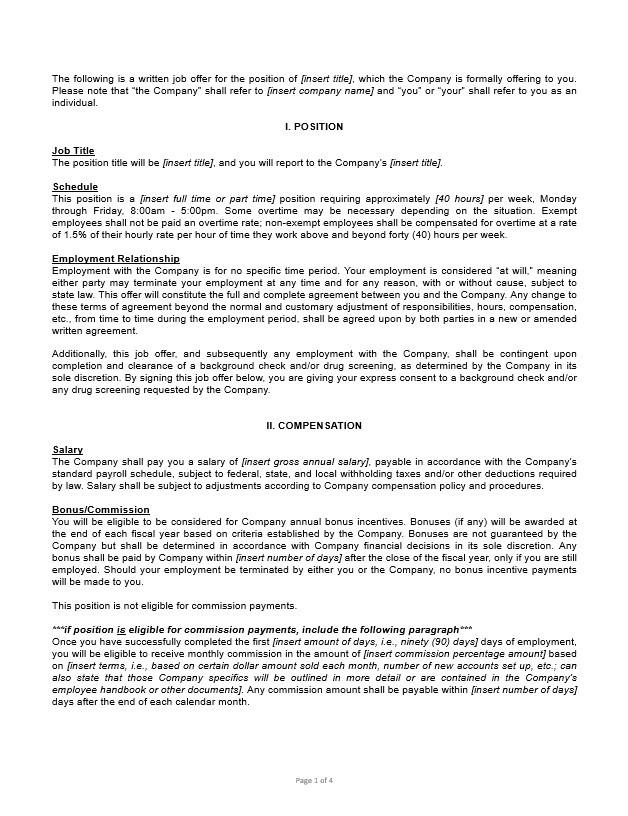
Finding the right candidate is a huge win for any company. After weeks of interviews and screening, you finally found the person who fits your culture and has the skills you need. Now comes the part where you make it official. Using a solid offer of employment contract template helps you bridge the gap between a verbal agreement and a formal commitment. It ensures that both you and your new hire are on the same page from day one.
Writing these documents from scratch every single time is a massive headache. It takes up valuable time that you could be using to prepare for the onboarding process. Having a standard starting point not only saves time but also reduces the risk of forgetting critical details that could lead to confusion later on. A standardized approach makes the transition from candidate to employee feel much smoother for everyone involved.
A great offer letter does more than just state the facts. It serves as your first real piece of formal communication with your new team member. You want it to reflect your company personality while still maintaining a level of professionalism that inspires confidence in your new hire. When you get the tone right, it reinforces the positive impression they had of you during the interview process.
Understanding the Core Components of Your Document
When you start putting your document together, the first things to include are the basics. You need the full legal names of both the company and the individual. It sounds simple, but getting these right is the foundation of the entire agreement. You also want to clearly state the job title and the department where the employee will be working so there is no ambiguity about the role.
Next up is the compensation package. This is usually what the candidate is most interested in seeing. You should outline the base salary or hourly rate clearly. If there are bonuses, commissions, or performance based incentives, make sure to describe how those work and when they are typically paid out. This clarity prevents any future disputes regarding pay or expectations.
Flexibility is a big topic these days, so your document should clarify where the work happens. Is it a fully remote role, a hybrid setup, or strictly in office? Including the expected work hours and the start date helps the new hire plan their transition into the new role. It is also a good idea to mention who the employee will be reporting to on a daily basis.
Defining Responsibilities and Expectations
While you probably discussed the job duties during the interview, putting them in writing is crucial. You do not need to list every single tiny task, but a high level overview of the primary responsibilities helps set clear expectations. This prevents the conversation three months down the line where an employee feels they are being asked to do work that was not part of the deal.
Benefits and Future Growth
Do not forget to highlight the benefits that come with the job. This includes health insurance, retirement plans, paid time off, and any other perks like gym memberships or educational stipends. Explaining the vesting periods for benefits or how vacation time accrues makes the offer much more attractive. It shows the candidate that you are invested in their well being and long term success.
Finally, you should include a section about the nature of the employment. Most roles in many regions are at will, meaning either party can end the relationship at any time. You might also want to mention any probationary periods during which you and the employee can evaluate if the fit is truly right for the long term. This protects both parties and ensures there is a clear understanding of the initial trial period.
Customizing the Template for Your Specific Needs
Every business is unique, so your document should be too. While a general offer of employment contract template provides a great skeleton, you should flesh it out with details specific to your industry. For example, a tech company might need to include specific clauses about intellectual property or non disclosure agreements to protect their code and trade secrets. A sales role might require more detail on territory and commission structure.
It is also important to consider the tone of your writing. If your company is a laid back startup, you might want the language to be a bit more casual and welcoming. On the other hand, a law firm or a financial institution might prefer a more formal and rigid structure. The goal is to make the candidate feel like they are already part of the team by using a voice that matches your daily office life.
Before you hit send, there are a few housekeeping items you should check to make sure everything is in order. Taking an extra five minutes to review the details can prevent embarrassing mistakes or legal hiccups down the road. Consider this list as your final checklist:
Bringing a new person onto your team is a significant milestone that deserves a smooth transition. By having a reliable framework in place, you take the stress out of the administrative side of hiring. This allows you to focus on the human side of the equation, like introducing the new hire to their coworkers and getting them excited about their first week on the job. A good start leads to better retention and a more engaged workforce.
A clear and well structured offer sets the stage for a long and productive working relationship. It provides security for both the employer and the employee, ensuring that everyone understands their rights and responsibilities. Once the document is signed and returned, you can move forward with confidence, knowing that you have built a solid foundation for your new team members success. Now you can get back to the work that matters while your new hire prepares to join the mission.