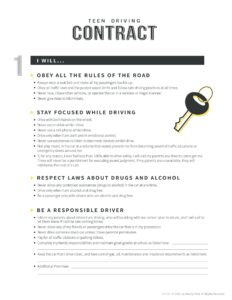
Getting a driver license is one of the most exciting milestones for any teenager but it is often one of the most stressful times for parents. To help navigate this transition smoothly many families find that using a parent teen driving contract template is the best way to set clear expectations and ensure everyone is on the same page regarding safety and responsibility. This document serves as a bridge between the freedom of the open road and the serious nature of operating a motor vehicle. By putting everything in writing you create a clear reference point that helps remove the guesswork from driving rules.
It is not just about laying down the law or being overly strict. It is about starting a conversation that could literally save lives. When teens understand that driving is a privilege rather than a right they tend to take the responsibility more seriously. By having a written agreement you eliminate the gray areas that often lead to arguments or dangerous situations later on. It helps everyone feel more secure knowing exactly what is expected when the keys are handed over.
A good agreement focuses on mutual respect and shared goals. The primary objective is to keep the teen safe while giving them the independence they crave. As you move through this process together you will find that a written contract helps build trust and provides a solid foundation for many years of safe driving. It is a tool for growth and maturity that allows parents to step back slightly while still providing a safety net for their children as they gain experience on the road.
Establishing Clear Boundaries for New Drivers
Transitioning from the passenger seat to the driver seat changes the dynamic of the family. Suddenly your teen has the power to go where they want but they also have the weight of keeping themselves and others safe. This is why having a structured plan is so essential for those first few months and years of solo driving. It provides a safety net that helps them make better decisions when you are not there to guide them directly from the passenger side.
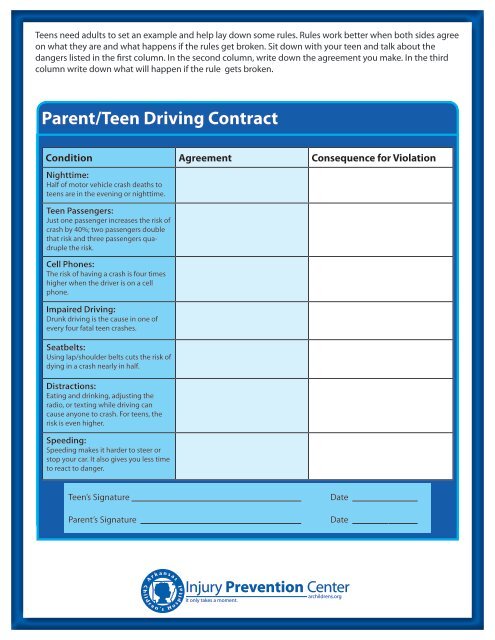
Many parents worry about the distractions that come with modern technology. It is one thing to tell a teen not to use their phone but it is another to have it written down as a non negotiable rule. Distracted driving is a leading cause of accidents among young people and addressing this early on is crucial for their long term safety habits. A contract reinforces the idea that the phone should stay out of reach until the destination is reached.
Managing Passengers and Curfews
One of the biggest risks for new drivers is having a car full of friends. Research shows that the more passengers a teen has the higher the likelihood of a crash occurring. Setting a limit on how many friends can be in the car at once is a common component of any comprehensive parent teen driving contract template. You might decide on no passengers for the first six months or perhaps just one trusted friend who knows the rules of the car. This minimizes distractions during the most vulnerable learning period.
Curfews are another vital part of the equation. Driving at night presents a different set of challenges from reduced visibility to a higher presence of impaired drivers on the road. By setting a reasonable time for the car to be back in the driveway you help your teen avoid some of the most dangerous hours for driving. This rule can be adjusted as the teen proves their reliability and gains more experience in different lighting and weather conditions.
Financial Responsibility and Maintenance
Driving is expensive and teens should understand the costs involved with operating a vehicle. Whether they are paying for their own insurance or just chipping in for gas having a financial stake in the vehicle encourages better care of the car. It is a good idea to outline exactly who is responsible for what so there are no surprises when the bill arrives. This teaches them about budgeting and the true cost of the independence they have gained.
Maintenance is another area where teens can learn valuable life skills. Teaching them how to check the oil monitor tire pressure and keep the interior clean fosters a sense of ownership. A teen who knows they have to pay for a new tire if they hit a curb is likely to be a lot more careful when navigating tight spaces. It also ensures the vehicle remains in a safe condition for everyone who uses it.
Making the Agreement Work for Your Family
To make this work you need to sit down together and discuss each point of the contract. This should be a collaborative effort where the teen feels heard and understood. If they feel like they had a hand in creating the rules they are much more likely to follow them. It is about creating an environment where they feel comfortable coming to you if they make a mistake or if they find themselves in a situation they do not know how to handle.
Consistency is key when it comes to enforcing the rules of the road. If a rule is broken the consequences should be clear and immediate as specified in your agreement. However it is also important to recognize and reward good behavior. If your teen consistently follows the rules and maintains a clean driving record consider offering them more freedom such as a slightly later curfew or the ability to drive to a nearby town for a special event.
You should also include a list of items that are non negotiable in your household. Every family is different but certain safety measures are universal. Consider including these points in your final document:
The journey toward becoming a skilled driver takes time and patience from both the parent and the teenager. By establishing a solid framework through a written agreement you are giving your teen the tools they need to navigate the world safely. This process is less about control and more about protection ensuring that every trip ends with a safe return home for everyone involved.
Over time the rules may evolve as your teen gains experience and proves their maturity behind the wheel. The trust you build today will serve as the foundation for their future independence. Keep the lines of communication open stay involved in their progress and enjoy this new chapter of their life as they explore the road ahead with confidence and a sense of responsibility.