In the bustling world of business, changes are inevitable. Sometimes these shifts involve operational adjustments, and other times they touch upon something as fundamental as how and when employees get paid. Altering your company’s payroll frequency, whether from weekly to bi-weekly or bi-weekly to semi-monthly, is a significant decision that impacts every single team member. It’s not just an internal accounting change; it directly affects employees’ personal budgeting, financial planning, and overall sense of stability.
Because of this direct impact, clear, timely, and comprehensive communication is absolutely critical. You can’t just spring a new pay schedule on your team without proper notification. That’s why having a well-crafted payroll frequency change notice template is not just a good idea, it’s an essential tool for any HR department or business owner considering such a transition. A structured notice helps manage expectations, answer common questions proactively, and maintain trust within your organization.
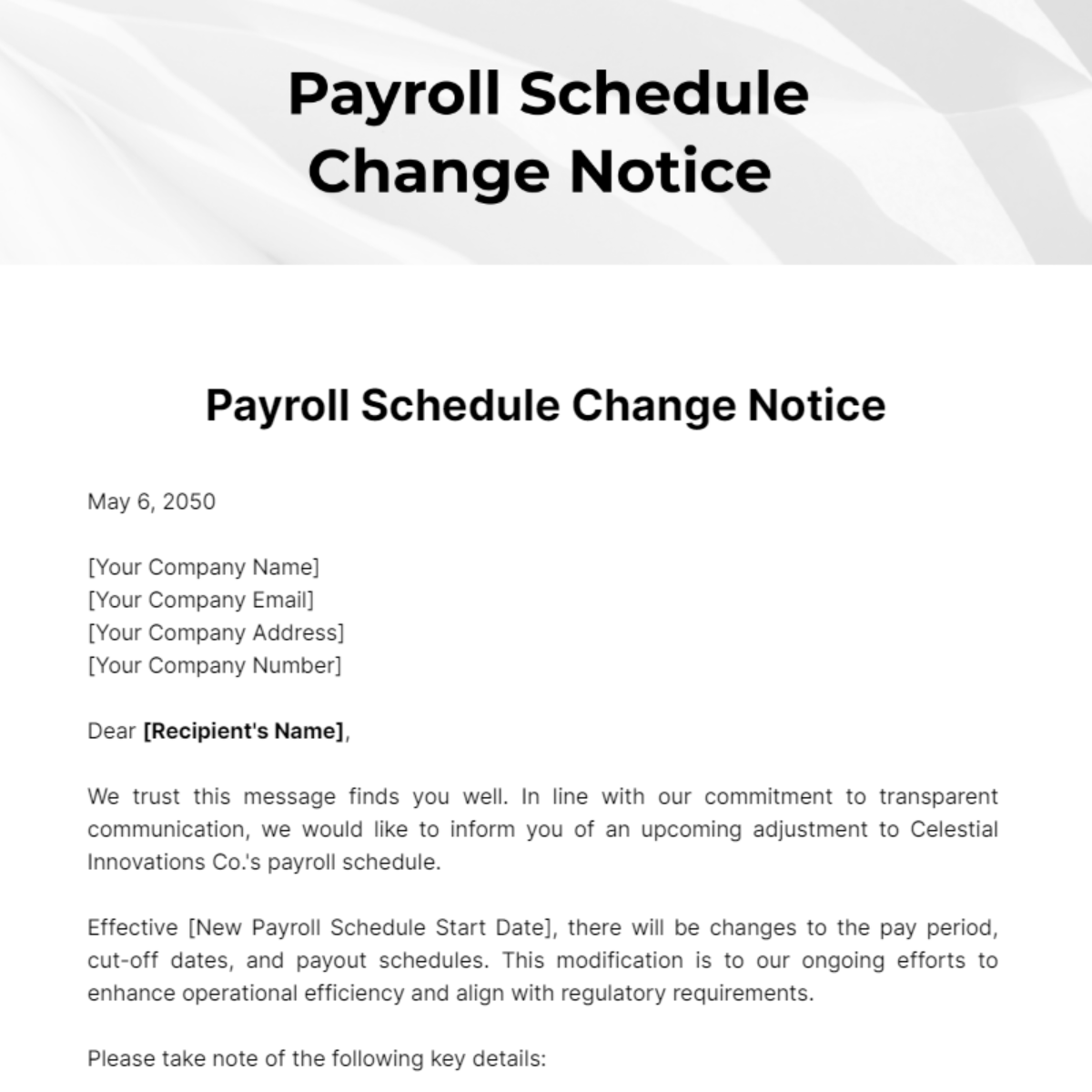
This article will guide you through the intricacies of informing your employees about a change in their pay schedule. We’ll explore why thoughtful communication is paramount, what key elements must be included in your notice, and provide practical advice for drafting a clear and compliant message that ensures a smooth transition for everyone involved.
Why Clear Communication is Key When Changing Payroll Frequency
Changing how often employees receive their paychecks is a decision with far-reaching implications, extending beyond mere administrative adjustments. For employees, their paycheck is the lifeblood that supports their daily expenses, bills, and long-term financial goals. Any alteration to this rhythm can cause stress, confusion, and even financial hardship if not communicated effectively and far enough in advance.
From an organizational perspective, a poorly handled payroll frequency change can erode employee morale and trust, potentially leading to decreased productivity and higher turnover. When employees feel left in the dark or blindsided by changes that affect their livelihoods, it fosters an environment of uncertainty. Conversely, a transparent and empathetic approach can reinforce a company culture that values its people, even when difficult or impactful decisions are being made.
Furthermore, there are legal and compliance considerations that vary by jurisdiction. Many states and countries have specific requirements regarding advance notice periods for payroll changes. Failing to adhere to these regulations can result in legal penalties, fines, and employee grievances. A formal notice isn’t just a courtesy; it’s often a legal necessity that protects both the employer and the employee.
Thinking about the practical side, employees will need time to adjust their personal budgets, direct deposit allocations, and perhaps even scheduled bill payments. Imagine someone who pays their rent on the 1st and 15th of the month suddenly moving to a weekly schedule without warning – it could lead to missed payments and financial strain. A well-designed payroll frequency change notice template anticipates these challenges, providing employees with the information they need to plan ahead.
Ultimately, clear communication minimizes disruptions, reduces the volume of questions directed to HR, and ensures that everyone understands the transition process. It’s about respecting your employees’ financial well-being and demonstrating that their concerns are taken seriously during an operational shift.
Key Elements Your Notice Must Include
- Clear Statement of Change: Explicitly state the current payroll frequency and the new payroll frequency.
- Effective Date: Clearly indicate when the new payroll frequency will commence. This should allow ample time for employees to prepare.
- Reason for the Change: Briefly explain the business rationale behind the decision. Transparency, even if brief, can help employees understand the necessity.
- Impact on Pay Dates: Provide a schedule of the last pay date under the old system and the first pay date under the new system. Detail any potential gaps or overlaps in pay periods.
- Impact on Benefits/Deductions: Explain how deductions for benefits, taxes, and other voluntary contributions might be affected by the new frequency. For example, if moving from bi-weekly to semi-monthly, employees might see a slightly higher deduction per paycheck because fewer paychecks are received in a year, though the annual total remains the same.
- Point of Contact: Designate a specific person or department (e.g., HR, Payroll) employees can contact with questions or concerns. Provide their contact information.
- Appreciation: Acknowledge and appreciate employees’ understanding and cooperation during the transition.
Crafting Your Payroll Frequency Change Notice Template
When you sit down to draft your notice, remember that tone matters just as much as content. Aim for a professional, clear, and empathetic voice. Avoid jargon where possible, and ensure the language is straightforward and easy for all employees to understand, regardless of their role or financial literacy. Think of it as a helpful guide rather than a blunt announcement. The goal is to inform, reassure, and empower employees to manage the change effectively.
It’s important to understand that while a template provides a fantastic starting point, it should never be used without customization. Every company has unique circumstances, and the specific details of your payroll change will need to be accurately reflected. Always review your draft with legal counsel or an HR expert to ensure it complies with all local, state, and federal regulations regarding notice periods and content. This step is non-negotiable for safeguarding your company against potential legal issues.
Beyond the legalities, a good notice should anticipate common questions and provide answers upfront. Consider creating a Frequently Asked Questions (FAQ) document to accompany the notice for more complex situations. This proactive approach significantly reduces the workload for your HR and payroll teams by addressing inquiries before they arise, making the entire transition smoother for everyone involved. Remember, the payroll frequency change notice template you create is a powerful tool for maintaining transparency and employee trust during a significant operational adjustment.
Implementing a change in payroll frequency doesn’t have to be a source of stress for your employees or your administration. With a well-thought-out communication strategy and a clear, comprehensive notice, you can ensure a smooth transition for everyone involved. Prioritizing transparency and providing ample time for employees to adjust their financial planning demonstrates respect and fosters a positive working environment, even amidst operational shifts.
By following these guidelines and utilizing a robust template, you’ll be well-equipped to manage such a change effectively. Proactive communication is always the best policy, ensuring that your team feels valued and informed every step of the way, helping your organization navigate changes with minimal disruption and maximum confidence.