When navigating the complex world of hiring, especially when relying on background checks, employers need to be acutely aware of their legal obligations. The decision not to hire a candidate can have significant repercussions, both for the individual and for the company, particularly if that decision is influenced by information uncovered in a background report. This is where understanding the proper steps becomes paramount to ensuring fairness and compliance.
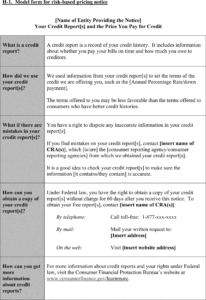
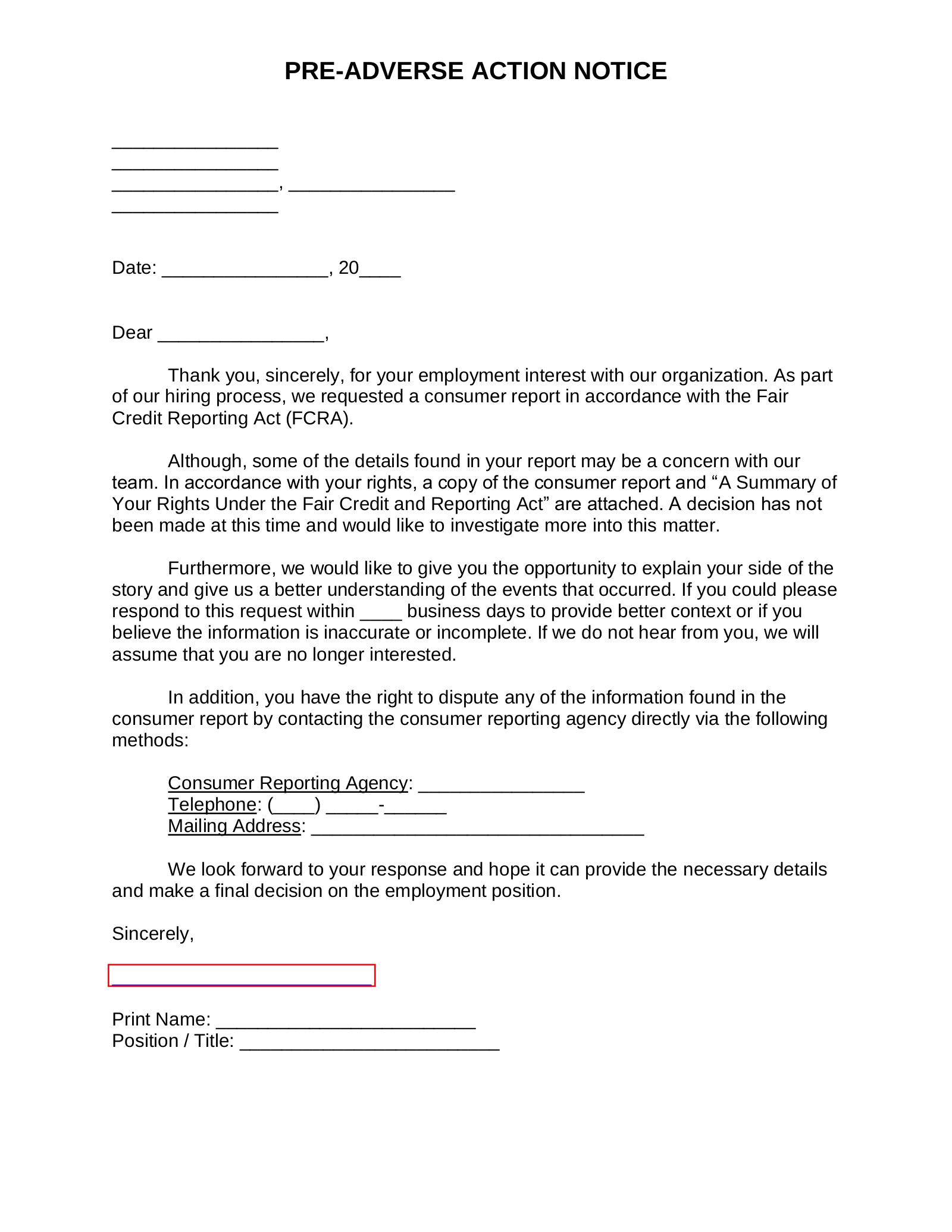
The Fair Credit Reporting Act (FCRA) outlines specific procedures that employers must follow when using consumer reports for employment purposes. One of the most critical steps in this process is issuing a pre-adverse action notice template. This isn’t just a courtesy; it is a legally mandated communication designed to give a candidate an opportunity to review and dispute information found in their background check before a final hiring decision is made.
Getting this step right protects both your business and the applicant. It demonstrates a commitment to fair hiring practices and helps to mitigate potential legal challenges down the road. Understanding the components and proper application of such a notice is essential for any HR professional or business owner engaged in the hiring process.
Navigating the FCRA: Why a Pre-Adverse Action Notice is Crucial
The Fair Credit Reporting Act, or FCRA, is a federal law designed to promote the accuracy, fairness, and privacy of information in the files of consumer reporting agencies. While many people associate the FCRA primarily with credit reports, its provisions extend significantly to employment background checks. Any time an employer uses a third-party agency to conduct a background check that includes credit history, criminal records, or driving records, they fall under the FCRA’s guidelines.
When information from one of these consumer reports leads an employer to consider taking an “adverse action” against an applicant or employee, the FCRA dictates a very specific sequence of events. Adverse action isn’t just about not hiring someone; it can also include denying a promotion, reassigning, or even terminating employment based on information in that report. Failing to follow the proper procedure can expose your company to significant legal risk, including class-action lawsuits.
The “pre-” in pre-adverse action is incredibly important. It means before you make the final decision. The law requires you to inform the applicant of your potential decision and provide them with the relevant documentation *before* the adverse action is officially taken. This gives the candidate a reasonable amount of time to review the information, identify any inaccuracies, and provide an explanation or additional context. This waiting period is a cornerstone of the FCRA’s protective measures, ensuring individuals have a chance to address potentially damaging or incorrect data.
A legally compliant notice must contain specific elements to ensure the applicant has all the necessary information to respond effectively. Without these key components, the notice may not hold up to scrutiny if challenged. It’s not enough to simply say you’re not moving forward; you must empower the applicant to understand why and what steps they can take.
Moreover, correctly issuing a pre-adverse action notice isn’t just about avoiding penalties; it’s about fostering trust and demonstrating due diligence. It ensures that decisions are based on accurate and verified information, giving every candidate a fair chance. This transparency can enhance your company’s reputation and contribute to a more equitable hiring environment.
Key Components of an Effective Pre-Adverse Action Notice
This comprehensive approach ensures that individuals are fully informed and empowered, upholding the spirit of the FCRA and protecting employers from potential litigation. Each element plays a crucial role in the process.
Customizing Your Pre-Adverse Action Notice Template for Compliance
Having a reliable and customizable pre-adverse action notice template is a significant asset for any organization. It ensures consistency across all hiring decisions and streamlines a process that, if handled incorrectly, can become quite burdensome. A well-designed template allows your HR team to quickly and accurately generate the necessary documents, reducing the chance of errors that could lead to non-compliance. It serves as a foundational tool that can be adapted to specific situations while maintaining all the legally required elements.
Once you have sent the pre-adverse action notice, the next critical step is to observe the waiting period. During this time, you should not make a final decision regarding the adverse action. This period, typically five business days, allows the applicant to review the report, gather any necessary documentation, and communicate with either the consumer reporting agency to dispute inaccuracies or directly with your company to provide context or explanation. It is vital to respect this period and not rush the process, as doing so undermines the purpose of the notice.
When the applicant responds, it’s essential to have a clear internal process for reviewing their information. This might involve verifying new details, re-evaluating the original concerns, or documenting their explanation. The goal is to ensure that the final decision is based on the most complete and accurate information available. Regardless of the outcome, maintaining thorough records of all communications and decisions related to the pre-adverse action process is crucial for demonstrating compliance and defending against potential claims.
Developing a robust process around your pre-adverse action notice template involves more than just filling in blanks. It requires training for HR personnel, clear internal guidelines, and consistent application across all potential adverse actions. Seeking legal counsel to review your template and procedures is highly recommended, as employment laws can vary by state and are subject to change.
Navigating the intricacies of the FCRA and effectively implementing a pre-adverse action notice process is a testament to an employer’s commitment to fairness and legal compliance. By meticulously following these guidelines, companies can protect themselves from legal challenges while upholding ethical hiring practices. A well-structured approach ensures transparency and gives every candidate the opportunity to present their side of the story before a final decision is reached.