Starting a brand is one of the most exciting journeys an entrepreneur can take but it comes with a fair share of paperwork that can feel overwhelming. When you decide to outsource your production to a third party, having a solid private label manufacturing contract template on hand can save you from a world of headache later on. It serves as the foundation of your business relationship, ensuring that both you and the manufacturer are on the same page regarding expectations, quality, and legal boundaries.
Private labeling is essentially the process of taking a product manufactured by someone else and putting your own branding on it. While this allows you to scale quickly without needing your own factory, it also means you are putting a lot of trust in a partner. This trust needs to be backed by a clear written agreement so that your brand reputation remains intact as you grow and your business interests are fully protected from day one.
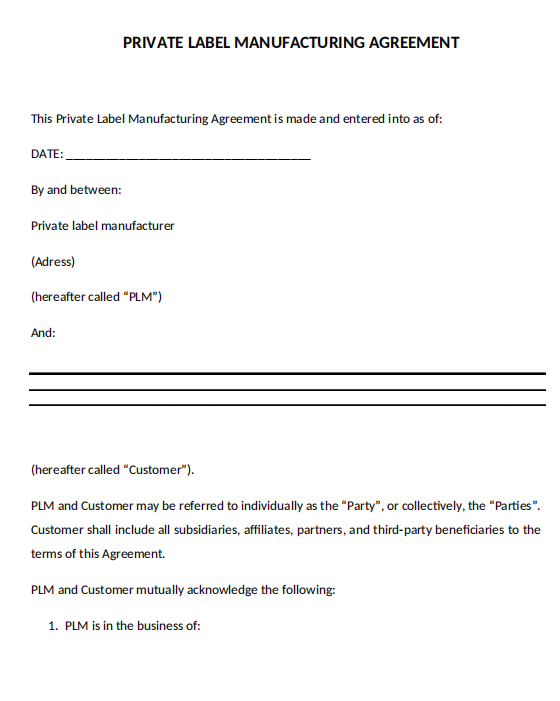
Many people skip the formal contract phase because they feel like they have a good rapport with their supplier. However, business is unpredictable and issues like shipping delays or subpar materials can arise at any time. A well drafted document protects your intellectual property and ensures that the final product meets the standards your customers expect from your brand. It is always better to have these details in writing before the first production run begins.
Essential Sections Every Manufacturing Agreement Should Include
First and foremost, you need to be extremely specific about the product itself. This includes everything from the ingredients or materials used to the exact dimensions and colors of the packaging. If you leave these details vague, you might end up with a batch of inventory that you cannot sell because it does not look like your prototype. Detailed specifications act as the blueprint for your entire partnership and leave no room for guesswork on the factory floor.
Pricing is another area where you cannot afford to be ambiguous. Your contract should clearly state the unit price, any bulk discounts, and how long those prices are locked in for. You do not want a surprise price hike right when your demand starts to spike. Additionally, make sure you outline the payment terms such as what percentage is due upfront and what is due upon delivery so that your cash flow remains predictable.
Defining Intellectual Property Rights
One of the biggest risks in private labeling is the potential for your manufacturer to use your designs or brand name for other clients. You need a clause that states you own the trademark, the logo, and any unique designs or formulations you provided. Without this, you might find your exact product being sold by a competitor under a different name. Protecting your brand identity is just as important as the physical product itself.
Quality control is the heart of your brand promise and must be addressed clearly. You should define what happens if a batch of products fails to meet your quality standards. Will the manufacturer replace them for free or provide a refund within a certain timeframe? Setting these expectations early prevents long disputes when things eventually go wrong and ensures that your customers only receive the best items.
Delivery schedules and lead times are also vital to your success. In the world of retail and digital commerce, being out of stock for a month can kill your momentum. Your agreement should specify how much notice is required for an order and how long the manufacturer has to fulfill it. Some businesses even include provisions for late shipments to ensure the factory prioritizes their orders during busy seasons.
Finally, consider how the relationship might end. A termination clause explains how either party can cancel the contract without creating a legal mess. This might be due to a breach of contract or simply because you have decided to move your production elsewhere for logistical reasons. Having a clear exit strategy protects you from being held hostage by a supplier that is no longer meeting your business needs.
Customizing Your Agreement for Long Term Success
It is very tempting to find a free private label manufacturing contract template online and just change the names, but every business has unique needs. A template is a great starting point but it should be modified to reflect your specific industry requirements. For example, a beauty brand will have very different legal needs regarding safety and testing compared to a company selling basic household tools or electronic gadgets.
You also need to consider the legal jurisdiction that governs the document. If your manufacturer is in another country, you need to decide which country laws will apply if there is a legal dispute. This is often overlooked by new entrepreneurs who assume local laws will always apply to them. Getting this right from the start can prevent massive legal bills and jurisdictional confusion in the future.
There are several common pitfalls that people fall into when drafting these agreements that can be avoided with a little extra care. To ensure your contract is as robust as possible, you should pay close attention to the following areas:
Building a successful brand takes a lot of hard work and a bit of luck, but it also takes a strong legal foundation. By taking the time to set up a comprehensive agreement, you are showing your manufacturer that you are a serious professional who values quality and consistency. This sets the tone for a professional partnership that can help your business thrive for many years to come.
While it might seem tedious to go through all these legal details, think of it as an insurance policy for your brand. Once the paperwork is handled, you can focus on what you do best which is marketing your products and growing your customer base. A secure contract gives you the peace of mind to scale with confidence and reach your long term business goals without unnecessary distractions.