Navigating the complexities of unauthorized parking on your private property can be a real headache. Whether you manage an apartment complex, own a commercial lot, or oversee a private residential community, dealing with vehicles that shouldn’t be there can lead to frustration and potential liability issues. This is precisely why a well-crafted private property towing contract template is not just a convenience, but a critical tool for any property owner or manager. It establishes clear guidelines, protects your interests, and ensures that when a vehicle needs to be moved, it’s done legally and efficiently.
The act of towing a vehicle from private land isn’t as simple as calling a tow truck. There are specific state and local regulations that dictate everything from signage requirements to the fees that can be charged. Without a formal agreement in place, you could inadvertently expose yourself to legal challenges, disputes, or even financial penalties. A template helps bridge this gap, providing a structured framework to outline the responsibilities and expectations of both the property owner and the towing service.
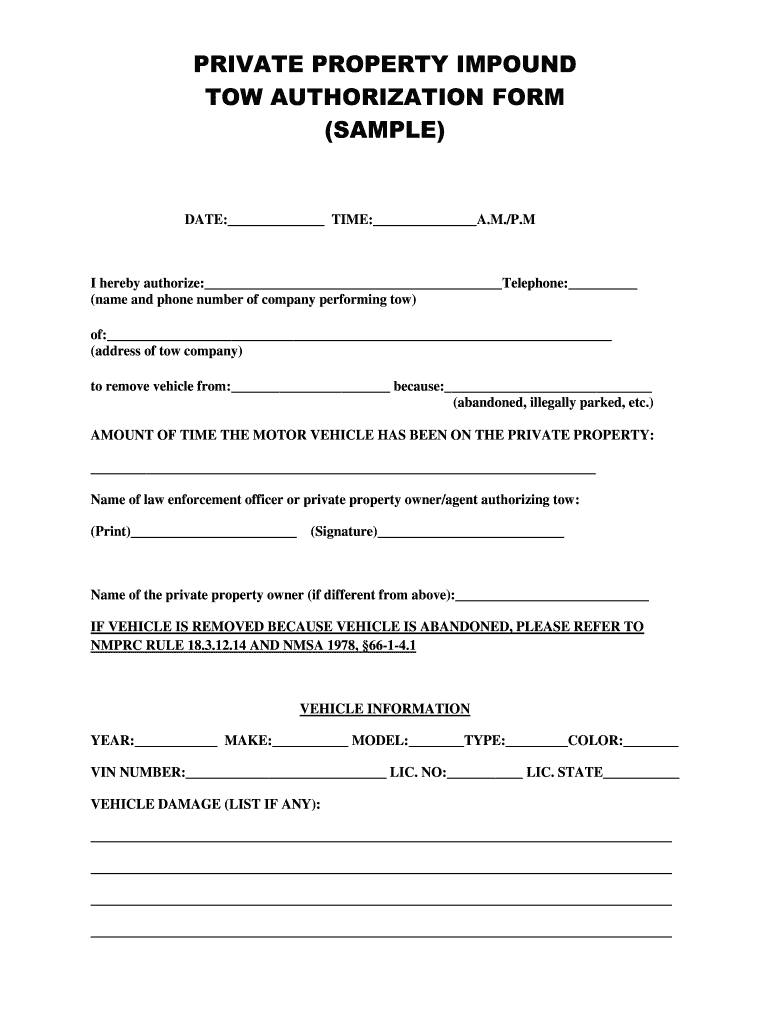
This article will guide you through the essential components of such a template, highlighting what you should look for and what details you absolutely need to include. Understanding these elements will empower you to establish a professional, legally sound relationship with your chosen towing company, ensuring peace of mind and a smooth operation when the need arises.
Key Elements to Include in Your Towing Agreement
A robust private property towing contract is the bedrock of a successful and legally compliant towing operation on your premises. It protects all parties involved by clearly defining roles, responsibilities, and procedures. Let’s delve into the crucial sections that every effective agreement should contain.
Identification of Parties
First and foremost, the contract must clearly identify the property owner or manager and the towing company. This includes full legal names, business addresses, and contact information. Ensuring accuracy here is vital for legal enforcement and communication. It prevents any ambiguity about who is entering into the agreement.
Scope of Services
This section outlines precisely what the towing company is authorized to do. It should detail the specific areas of the property where towing is permitted, the types of vehicles that can be towed (e.g., illegally parked, abandoned, unregistered), and the conditions under which towing can occur. For instance, you might specify that vehicles without a valid parking permit or those blocking fire lanes are subject to immediate towing. It’s also crucial to mention any requirements for the towing company to provide proof of authorization from the property owner before a tow takes place.
Signage Requirements
Most jurisdictions mandate specific signage for private property towing to be legal. Your contract should stipulate that the towing company is responsible for ensuring the property meets all local and state signage regulations. This includes the size, placement, content (e.g., warning of towing, contact info for the towing company), and maintenance of these signs. This provision shifts the compliance burden, and potential liability, to the towing service.
Financial Terms and Compensation
This is where the monetary aspects are laid out. The contract should clearly state who is responsible for paying towing and storage fees. Typically, the vehicle owner is responsible, but the agreement should clarify if the property owner will ever incur charges, such as for the removal of abandoned vehicles not claimed by their owners. It should also detail the maximum fees the towing company can charge, adhering to any local ordinances on pricing. Transparency in financial terms avoids future disputes.
Indemnification and Insurance
This is a critical protective clause for the property owner. The indemnification clause states that the towing company will defend and hold the property owner harmless from any claims, liabilities, or damages arising from the towing company’s operations. Furthermore, the contract should require the towing company to carry adequate liability insurance and name the property owner as an additional insured. Proof of insurance should be a mandatory attachment to the contract.
Term and Termination
The contract needs to specify the duration of the agreement, whether it’s for a fixed term or month-to-month. Equally important are the conditions under which either party can terminate the agreement. This might include a notice period for termination without cause, or immediate termination clauses for breaches of contract, such as failure to comply with regulations or inadequate service.
Advantages of a Standardized Template
Utilizing a pre-made or customizable private property towing contract template offers a host of significant advantages for property owners and managers. It streamlines the often-daunting process of establishing a formal agreement, ensuring that all crucial bases are covered without having to start from scratch. This efficiency translates directly into saved time and reduced stress, allowing you to focus on other aspects of property management.
One of the primary benefits is the inherent legal protection it provides. Templates are typically drafted with common legal requirements in mind, offering a solid framework that helps ensure compliance with local and state regulations. This structure minimizes the risk of legal challenges down the line, as it clearly defines the terms and conditions under which towing operations will occur. When expectations are explicitly stated, disputes are far less likely to arise between the property owner, the towing company, and even the vehicle owner.
Moreover, a template fosters professionalism and clarity in the working relationship. It acts as a single source of truth for both parties, outlining service expectations, fee structures, and liability allocations. This level of detail helps establish a transparent and fair partnership, making it easier to manage operations and resolve any minor issues swiftly before they escalate. It promotes a consistent approach to managing unauthorized parking, which is beneficial for the overall order and safety of your property.
- Streamlined Process: Saves time and effort by providing a ready-to-use framework.
- Legal Protection: Helps ensure compliance with regulations and minimizes legal risks.
- Clear Expectations: Defines roles, responsibilities, and financial terms for all parties.
- Consistency: Ensures a uniform approach to towing across your property.
- Professionalism: Establishes a formal and transparent working relationship.
Having a robust agreement in place for private property towing is more than just a formality; it’s an essential component of responsible property management. It provides a clear roadmap for how unauthorized vehicles will be handled, ensuring that all actions are compliant, fair, and above board. This careful preparation prevents potential headaches and legal entanglements down the line, offering genuine peace of mind.
By investing the time to properly fill out and understand your private property towing contract, you are safeguarding your property, your residents, and your business interests. It’s about creating a safe, organized environment where parking rules are respected, and when they aren’t, there’s a clear, legal path to resolution. Ensure your agreement is comprehensive, regularly reviewed, and fully understood by all parties involved for optimal results.